
Bold Lines And Geometric Forms: Understanding The Allure Of Art Deco
Art Deco dazzles with its sharp angles and eye-catching elegance. Yet behind every sweeping curve and skyscraper silhouette, a deeper story captures the imagination of art lovers everywhere.
Did you know that Art Deco’s signature look is more than just style—it celebrates progress and innovation! This movement was shaped by technological advancements and wide-ranging cultural inspirations, making it an unmistakable symbol of luxury and modernity, even today.
This article will guide you through the fascinating world of Art Deco so you can understand why its boldness and allure has stood the test of time.
From towering structures to sleek furnishings—we’ll unwrap the mysteries behind those geometric lines and show how they continue to influence design. Get ready; it’s time to explore!
Key Takeaways
- Art Deco emerged in the 1920s and ’30s, combining modern styles with fine craftsmanship and rich materials.
- The style is known for its bold geometric shapes, clean lines, and luxurious details, including chrome, glass, and shiny fabrics.
- Influences on Art Deco include technological advances and African and Asian art forms.
- Famous Art Deco structures include the Chrysler Building in New York City and many buildings in Miami Beach.
- Today’s designers still incorporate Art Deco elements into fashion, jewelry, furniture, and more.
Defining Art Deco: An Overview
Defined by its striking aesthetic, Art Deco emerged as an eclectic style that combined traditional craft motifs with Machine Age imagery and materials. Reflecting a desire for social and technological progress, it encapsulates the optimism of the Roaring Twenties.
This decorative art movement transformed design across many platforms, from interior decoration to graphic arts. At its core are symmetrical and streamlined geometric shapes—sharp angles, stepped patterns, and sunburst motifs—a response to preceding Art Nouveau’s organic curves.
Characterized by luxury and modernity at every turn, the style leveraged new technologies and materials like chrome plating, stainless steel, Bakelite plastics, and exotic woods in furniture-making or inlaid wood veneer designs, combining them with lavish embellishments such as ivory or mother-of-pearl.
The era saw an enthusiastic embrace of industrially produced materials that allowed decadent designs to flourish within architectural marvels around the globe—from towering skyscrapers to luxury ocean liners—all while maintaining an air of sophistication that still captivates enthusiasts today.
Key Characteristics of Art Deco
Art Deco captivates with its unmistakable aesthetic, a visual celebration of progress and sophistication. This influential style is marked by distinctive features reflecting a fusion of craftsmanship and glamour—each element echoes the era’s zest for innovation and luxurious living.
Bold Lines and Geometric Forms
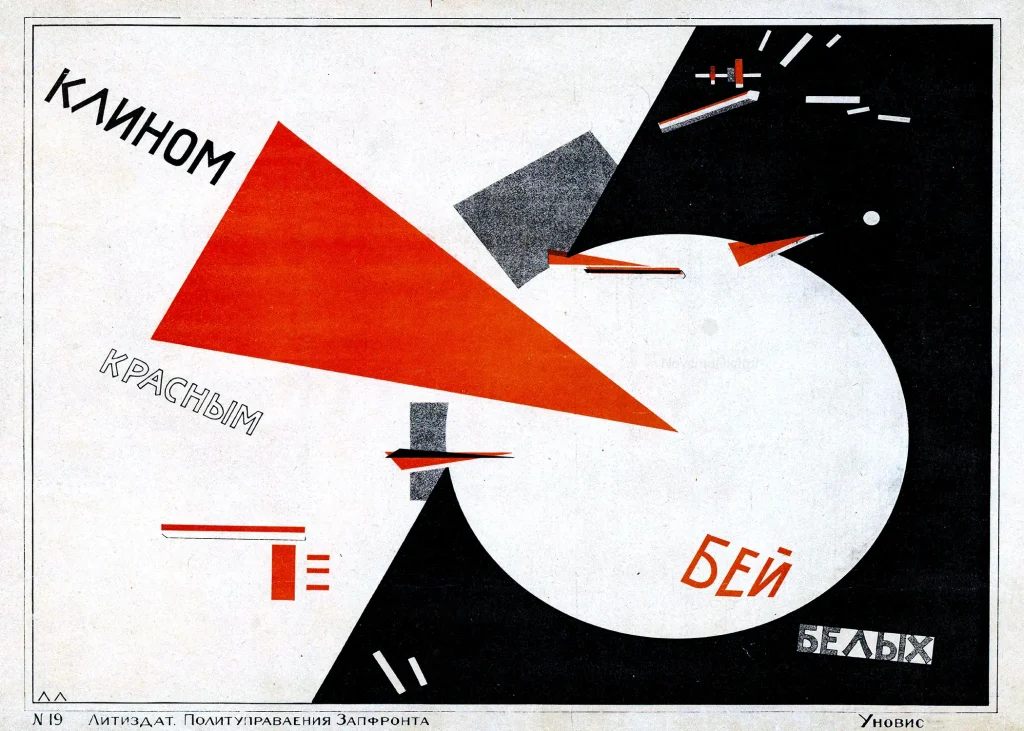
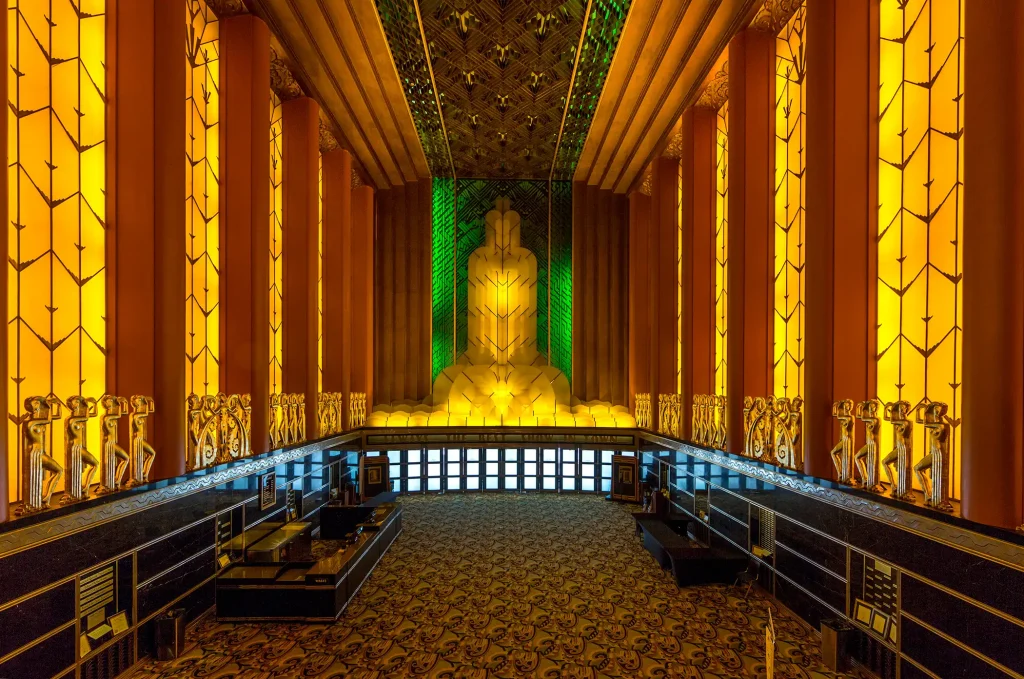
Art Deco celebrates modernity with every straight line and sharp corner. It pushes away the gentle swirls of past styles and plants firm shapes in their place. Think of skyscrapers reaching high, each floor marked by rows of windows locked in rigid patterns.
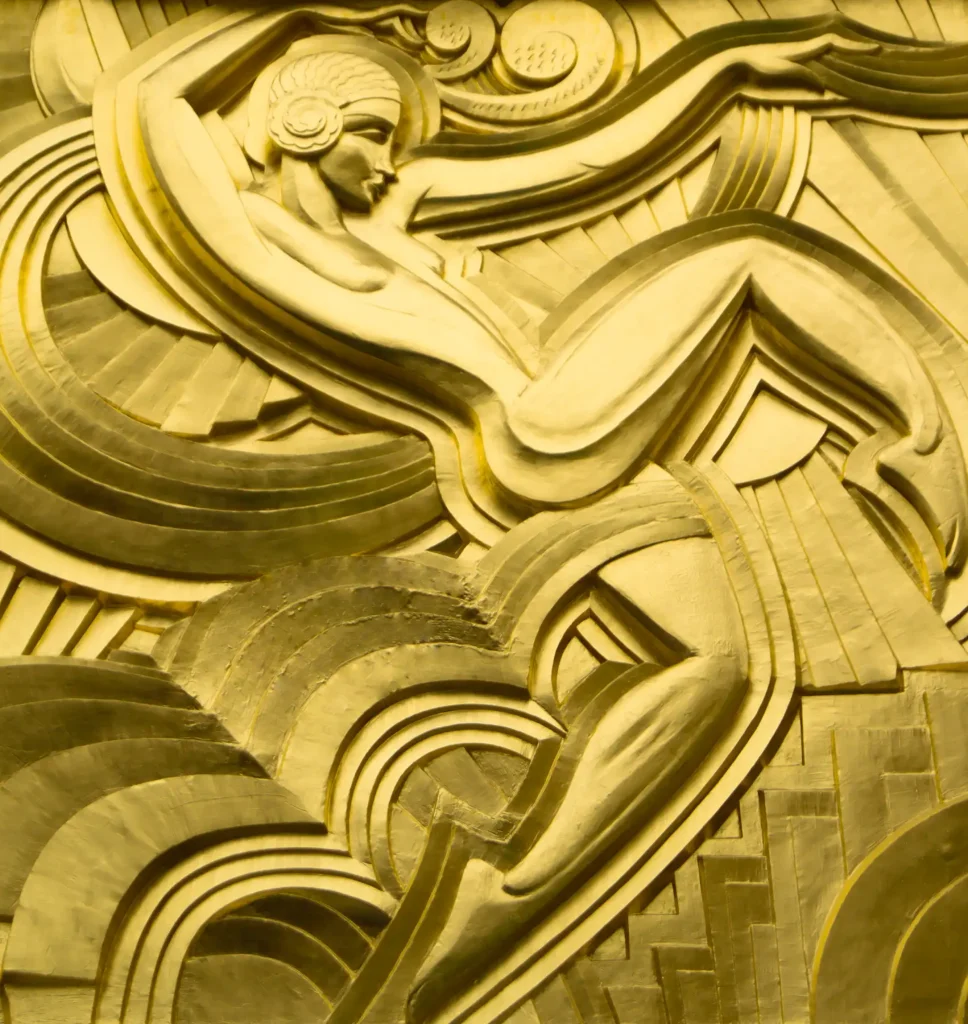
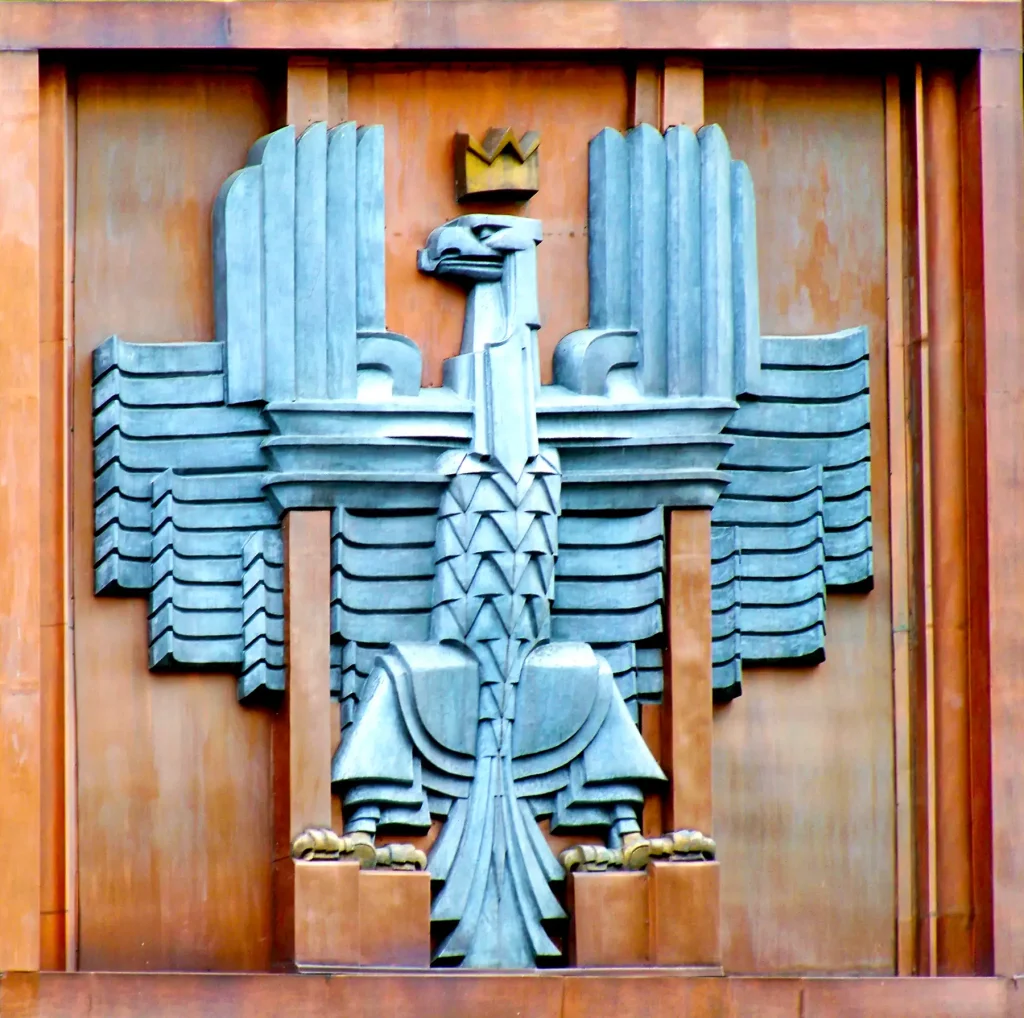
Artists carved into wood and stone, creating zigzags, chevrons, and sunbursts that caught the eye.
This design style isn’t shy about showing off its love for machinery and progress through crisp edges and blocky forms. Buildings stand tall with vertical emphasis that seems to defy gravity itself.
Simple yet striking, these geometric patterns create a sense of order and futurism that dazzles onlookers even today.
Use of New Materials and Technologies
The sleek lines and geometric shapes of Art Deco didn’t just stand out for their looks; they were also a showcase for cutting-edge materials and building techniques. Designers got creative with chrome, stainless steel, and plastics – all symbols of progress in the roaring ’20s and ’30s.
These shiny, durable materials added to the glitz while hinting at a futuristic world of possibilities.
Builders embraced methods like molding metal, which gave us those smooth curves iconic to Art Deco design. Glass-made buildings sparkle, and mirrored surfaces reflected elegance across interiors.
Innovations weren’t limited to flashy metals; synthetic wonders like Bakelite and lacquer became stars in home decor, bringing industrial flair into everyday lives. This was a time when embracing technology meant style could reach new heights—literally!
Influence of Ancient and Non-European Civilizations
Moving from the advancements in materials and technology, Art Deco also drew deep inspiration from past cultures. Ancient Egyptian motifs, such as the sphinx and pyramids, became chic symbols in decorative arts.
Designers looked to these old empires for a sense of timelessness and grandeur. They fused styles from ancient Greece, Rome, Babylon, and Aztec Mexico with modern trends.
Artists embraced non-European influences too. African tribal art contributed rich textures and bold forms to sculptures and graphics. Asian art lent its delicate lines and natural themes to create a cross-cultural aesthetic unique to Art Deco.
These diverse elements remind us that history’s artistic heritage has always fueled innovation in design.
Art Deco as a Style of Luxury and Modernity
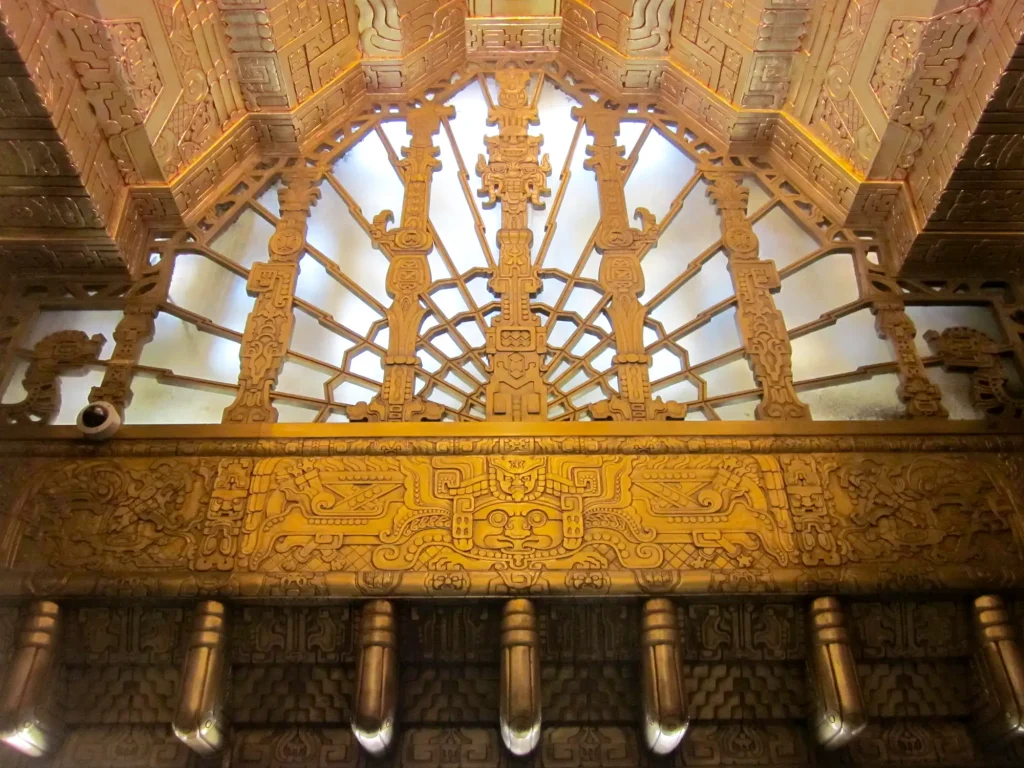
Art Deco brought modernism into the fashion world, with every item made to shine and impress. This style celebrated opulence through high-end materials and exquisite craftsmanship.
Glass, chrome, and lacquer added glamour to rooms, while rich woods like ebony signaled wealth. Owners flaunted their success with these carefully chosen pieces.
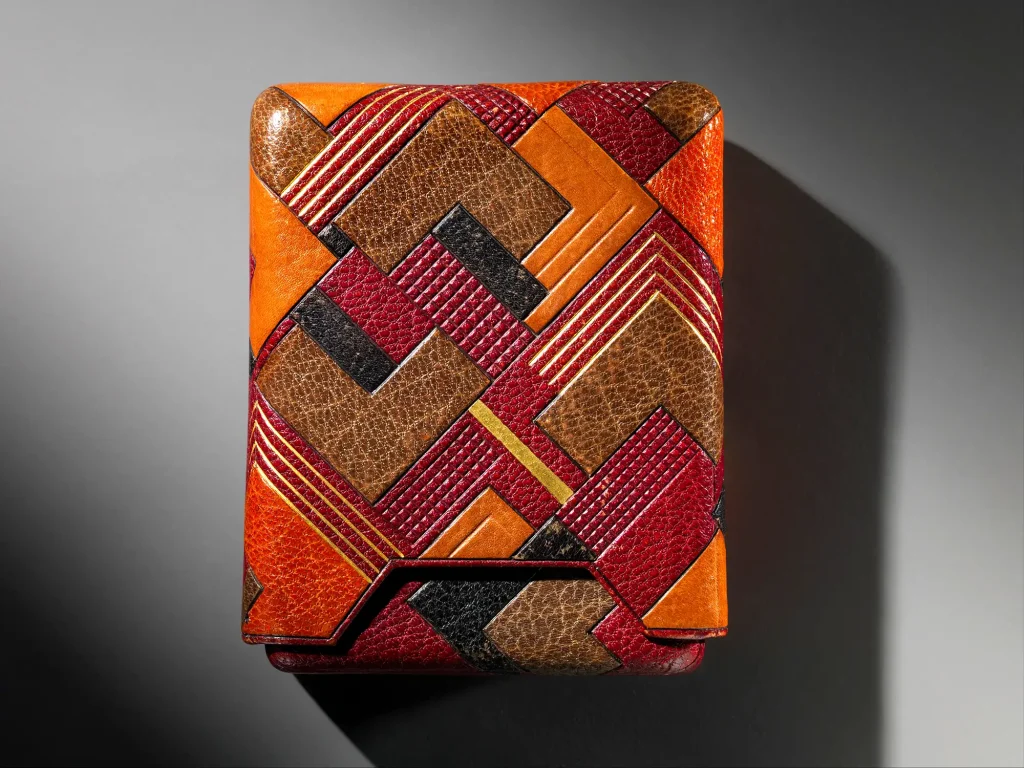
This elegant design movement showed off its flashiness everywhere, from towering skyscrapers to tiny cigarette cases. Each piece spoke to a society eager for progress yet unwilling to let go of grandeur.
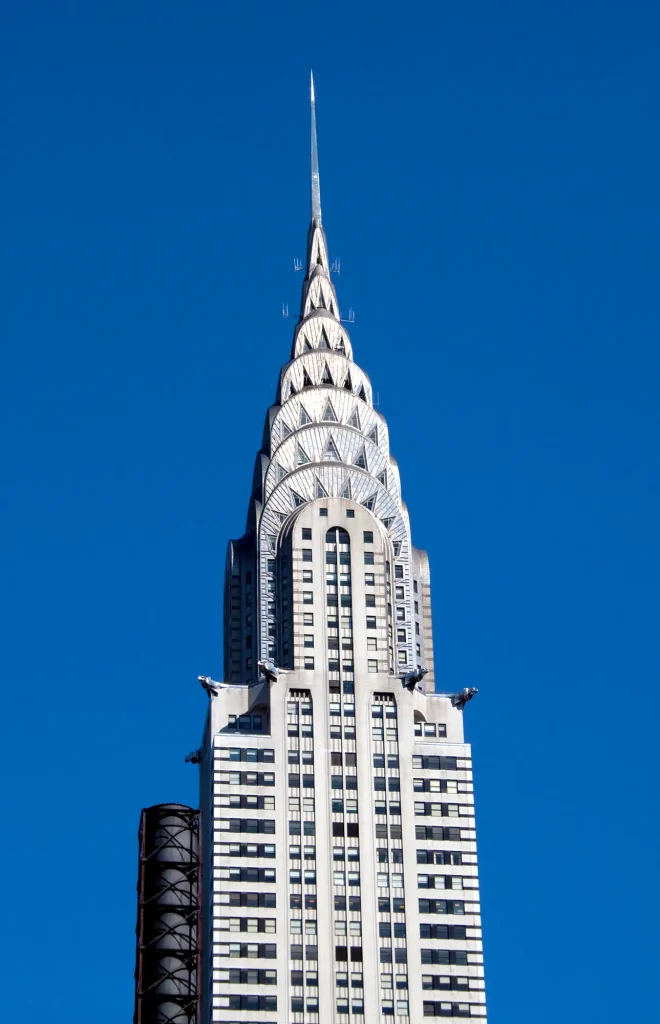
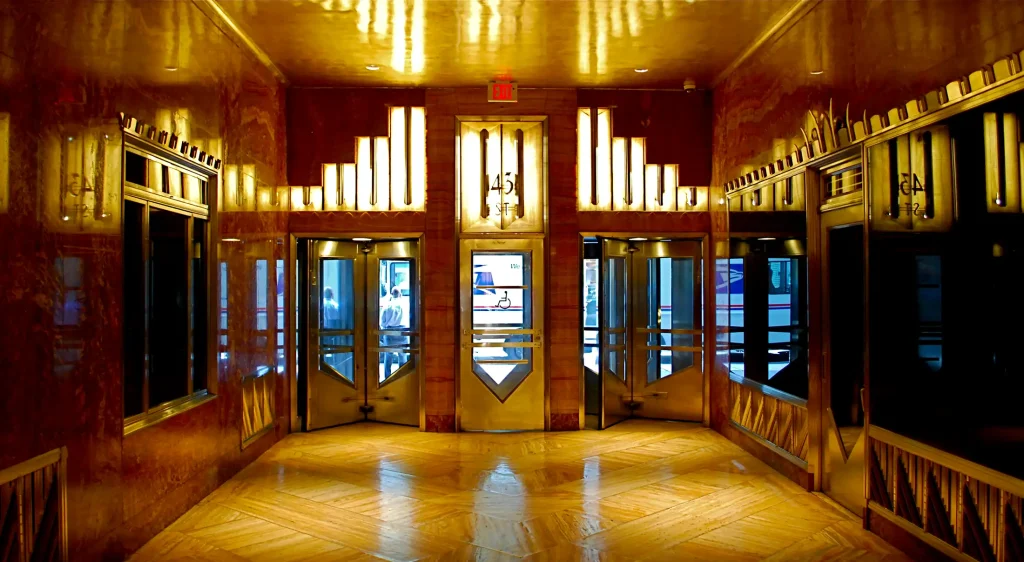
Buildings rose higher, their shiny facades promising a bright future in bustling cities around the globe. The Chrysler Building in New York City is one striking example of Art Deco architecture that still wows people today.
Next, we’ll explore how this influential style left its mark on various art forms beyond interior design and buildings.
The Origins and Evolution of Art Deco
Art Deco’s genesis and progression trace a fascinating arc through history, revealing a tapestry woven from diverse artistic threads and cultural influences. As we delve into its past, we uncover a story of innovation that propelled this style to become an emblem of sophistication and modernity across the globe.
The Society of Decorative Artists in France
The Society of Decorative Artists in France was critical to the rise of Art Deco; they put a spotlight on designs that were both beautiful and functional. This group helped shape what would become known as the Art Deco movement.
Their efforts didn’t just stay within France; they inspired designers worldwide.
Members brought fresh ideas by looking at past styles and far-off cultures and mixed these influences into something new and exciting. The society’s work made it clear that art could be part of everyday life, from teapots to buildings.
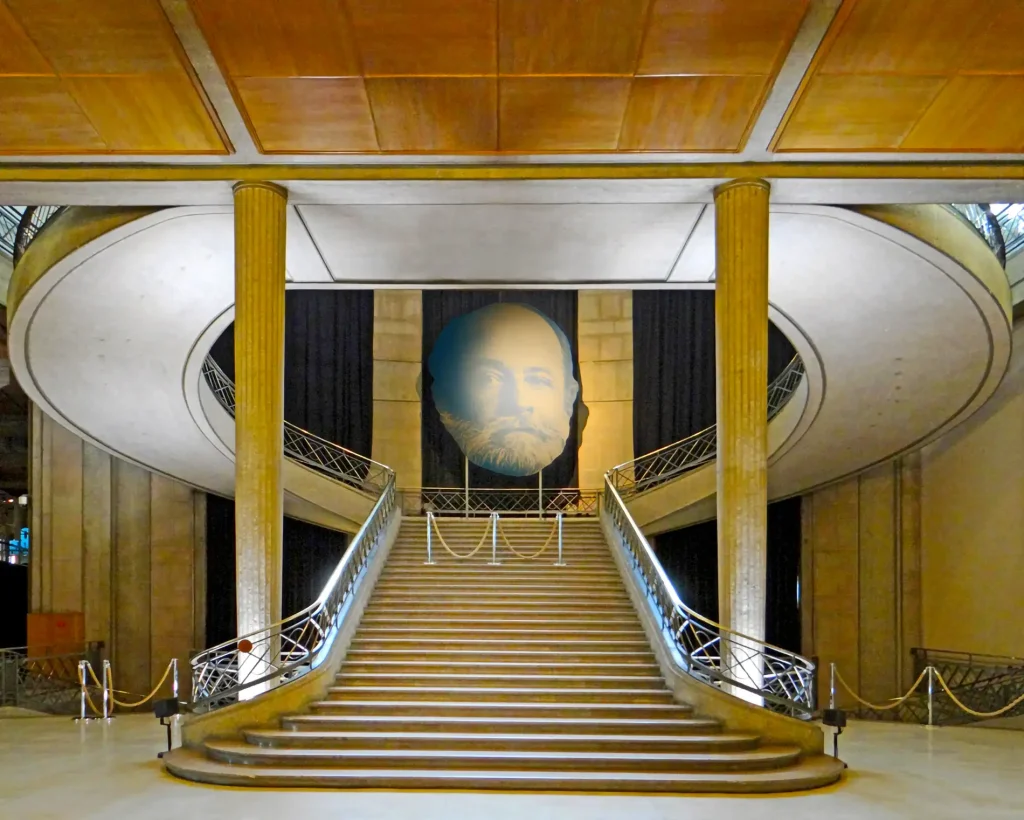
Let’s explore how other movements, like the Vienna Secession, previously discussed in our article about Art Nouveau (link), added their touch to Art Deco’s evolution.
The Impact of Cubism
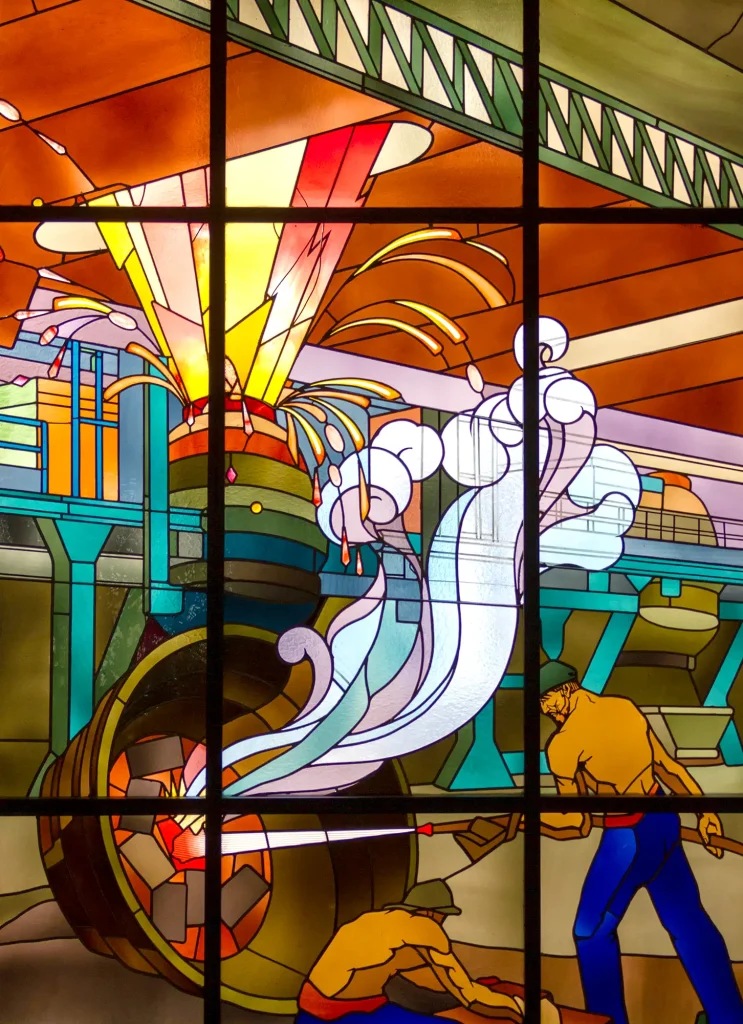
Moving from the elegance of the Vienna Secession, we encounter Cubism’s striking effect on Art Deco. The style borrowed heavily from Cubist art, which loved flat surfaces and two-dimensional shapes.
Artists like Picasso and Braque broke images into geometric forms. This look changed how designers thought about space and shape.
Art Deco embraced these ideas with open arms, giving rise to furniture and buildings that featured clean lines and bold patterns. Cubism taught designers to play with form in new ways.
This led to iconic deco buildings with sharp edges and glossy surfaces that still turn heads today. Think of gleaming chrome finishes on lamps or zigzag patterns on skyscrapers – all thanks to the daring visionaries of Cubism!

The International Exhibition of Modern Decorative and Industrial Arts (1925)
Paris buzzed with excitement in 1925 as it hosted the International Exhibition of Modern Decorative and Industrial Arts. This grand event showcased cutting-edge designs and spotlighted a new style that soon took over the world.
Visitors from far and wide flooded in to glimpse futuristic furniture, jewelry, textiles, and more.
The exhibition did not just display these items, it celebrated them. It marked the birthplace of Art Deco, a term derived from the fair’s name itself. Crisp lines, lavish materials, and exquisite craftsmanship defined this movement.
Here was where the bold vision for modern living was laid out for all to see—and it changed design forever.
Art Deco Across Different Art Forms
The explosion of Art Deco’s distinctive style didn’t just stop at visual arts; it danced through various creative disciplines, beckoning those with a penchant for bold aesthetics to explore its widespread influence further.
Painting
Art Deco paintings stand out with symmetrical designs and bold lines. These works often feature vertical lines and geometric shapes lined up in ways that look ahead of their time. Painters capture the essence of the Art Deco movement, showing how it shaped buildings and culture.
Tamara de Lempicka is one famous artist linked to this style. Her work has robust features, sharp edges, and rich colors that feel luxurious and powerful. Each painting from the Art Deco era tells a story about progress, glamour, and modern life from back then.

Sculpture
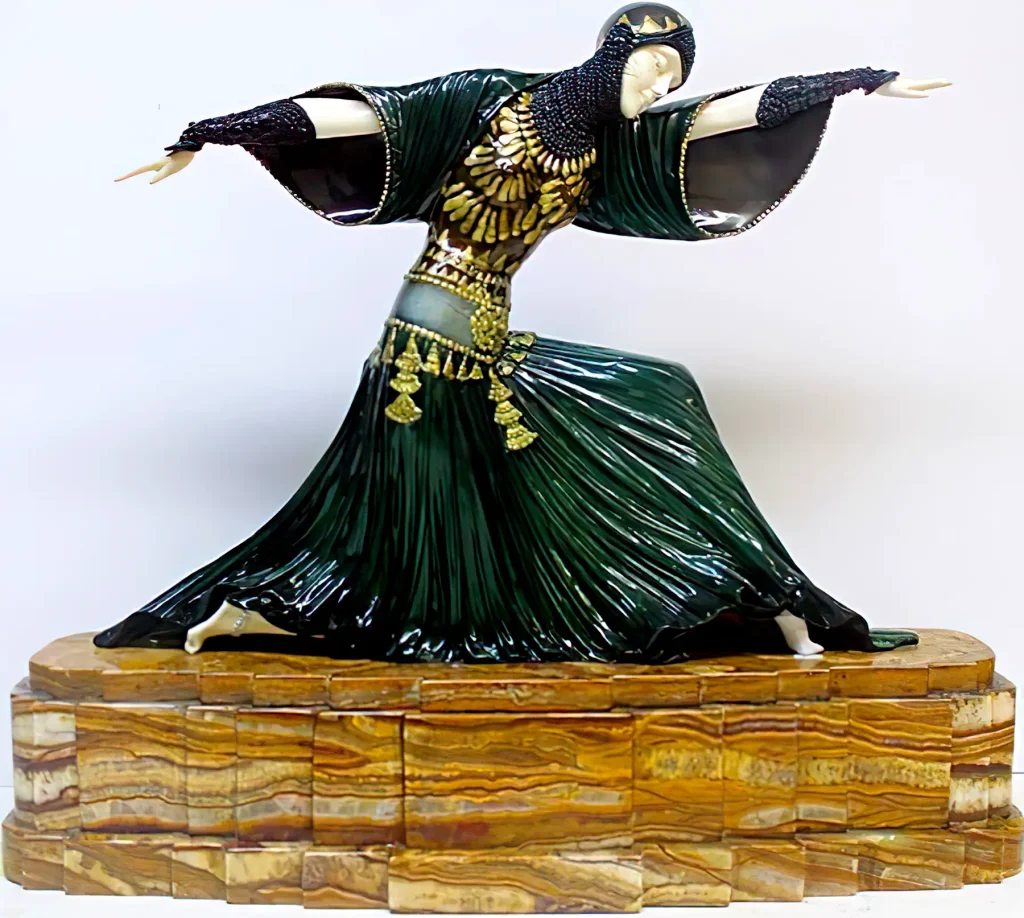
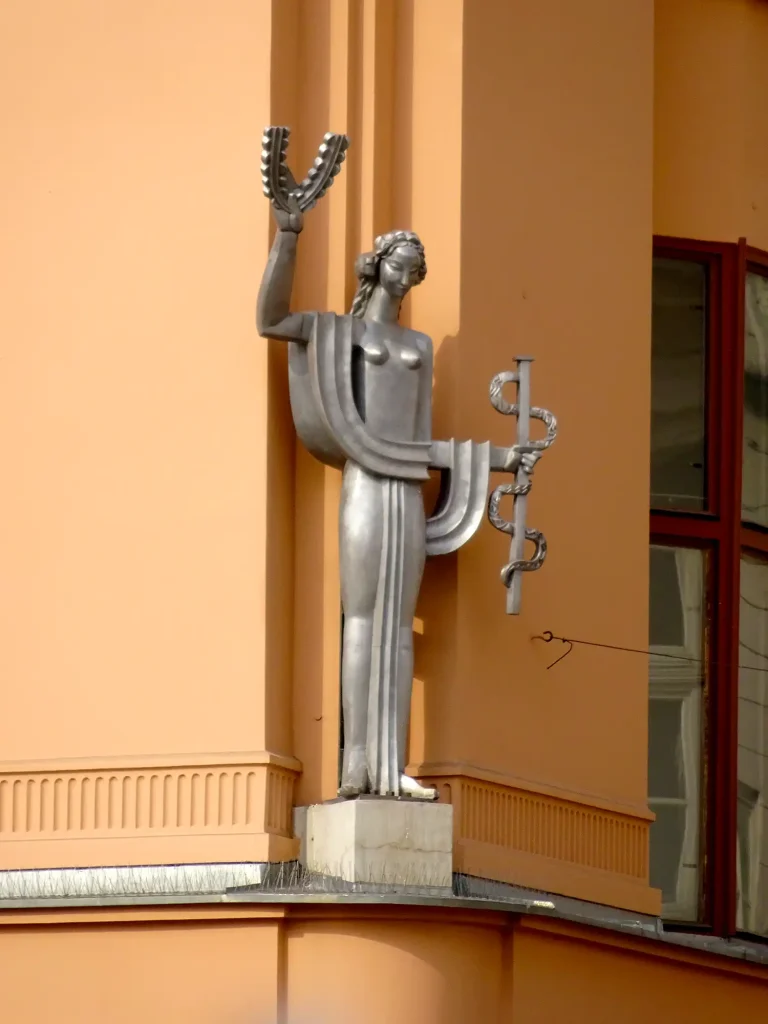
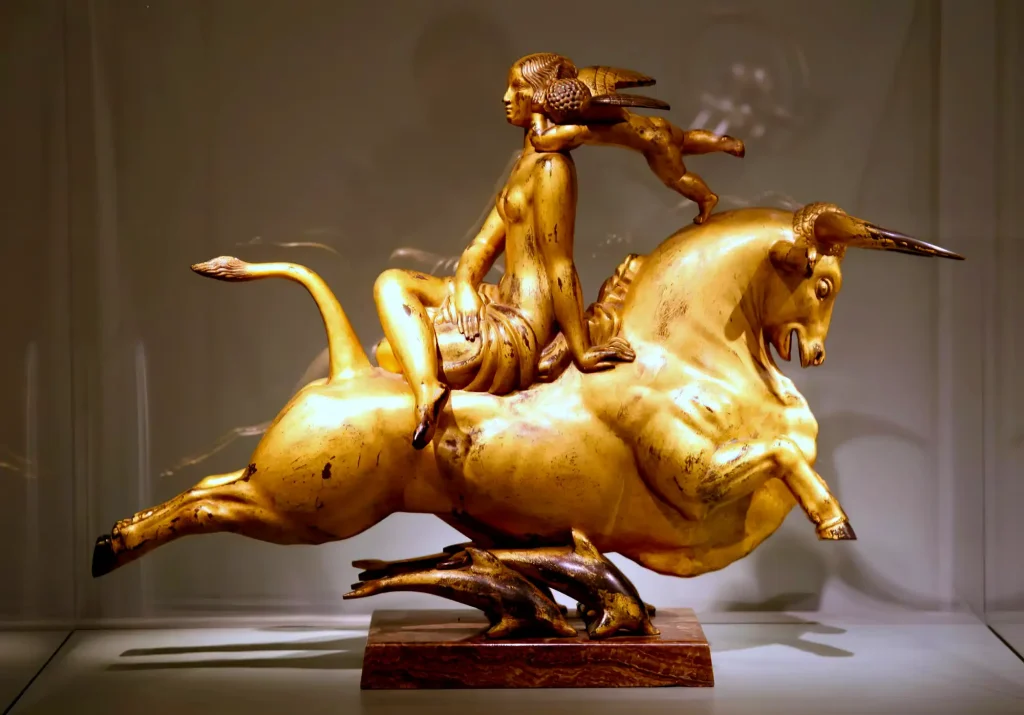
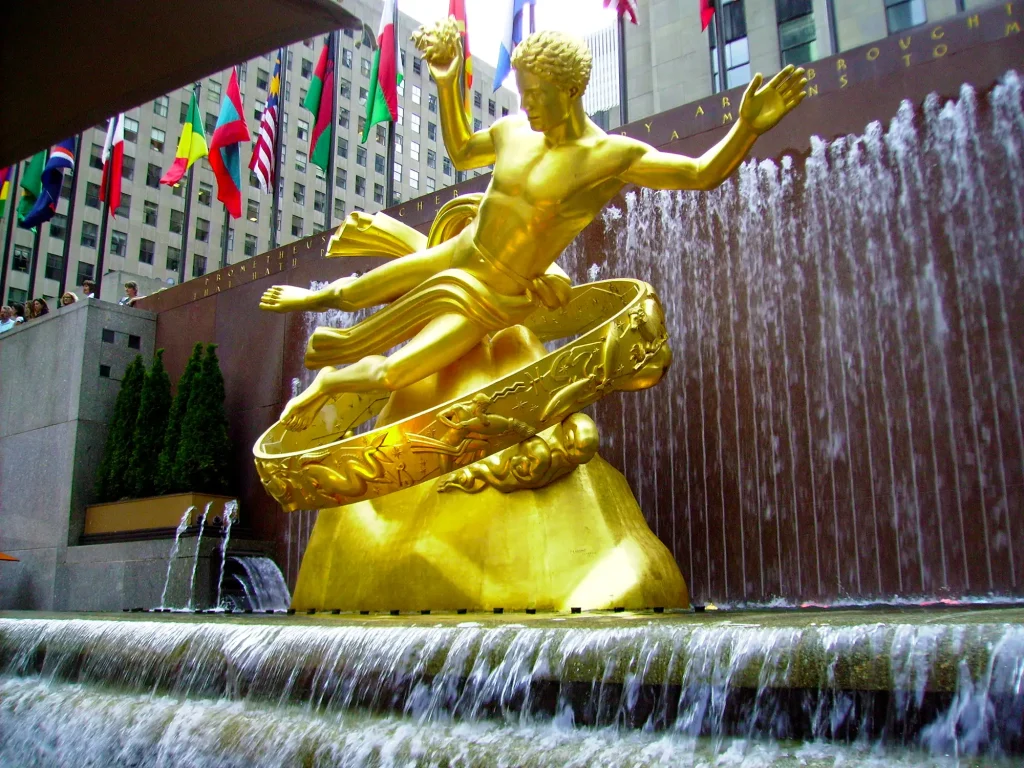
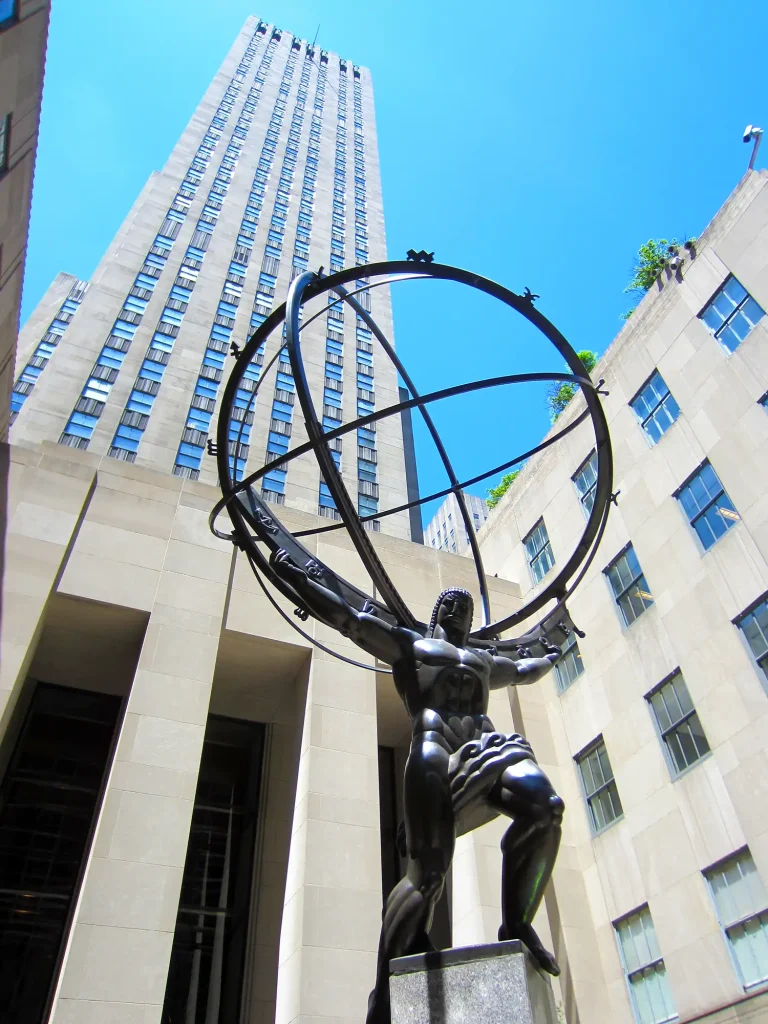
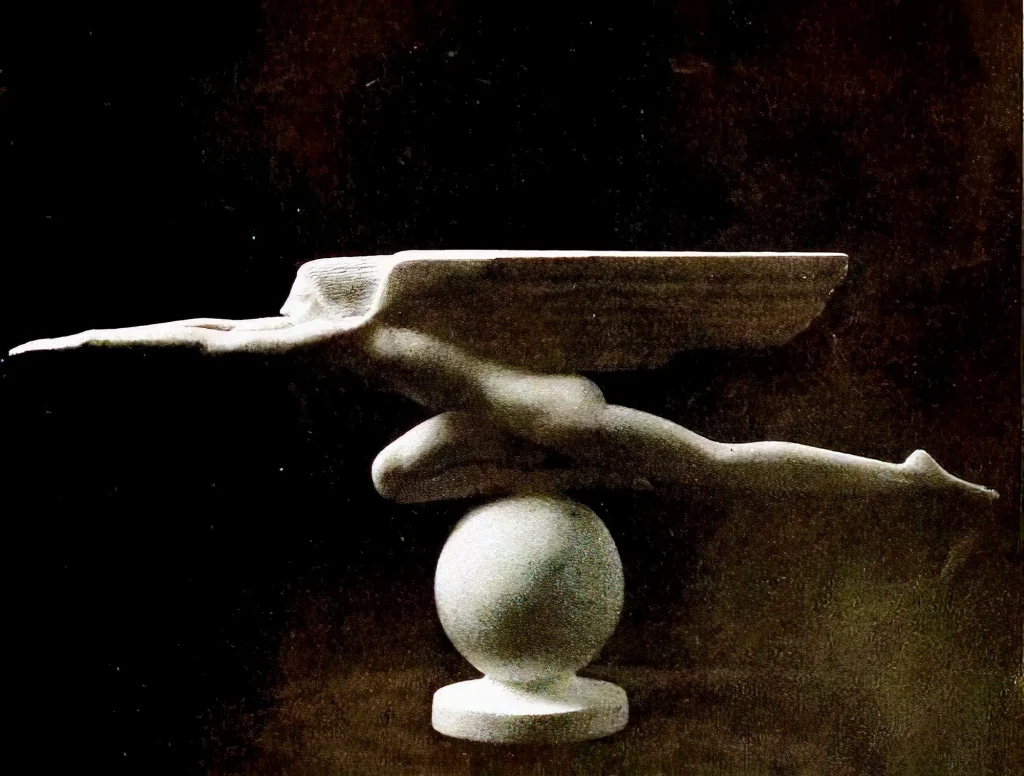
Sculptors in the Art Deco era shaped metal and stone into sleek, modern works. They drew inspiration from the sharp angles of Cubism. Artists crafted statues with symmetrical designs and streamlined forms.
Their creations often sparkled with platinum or shone with white gold, adding a touch of luxury. Bold colors popped against these precious metals.
Art Deco sculptures embody elegance fused with industrial progress. Think simple but striking figures that catch your eye and imagination. Artists used geometric patterns to create a sense of sophistication.
These pieces stand out as icons of their time, showing how art can be both beautiful and forward-thinking.



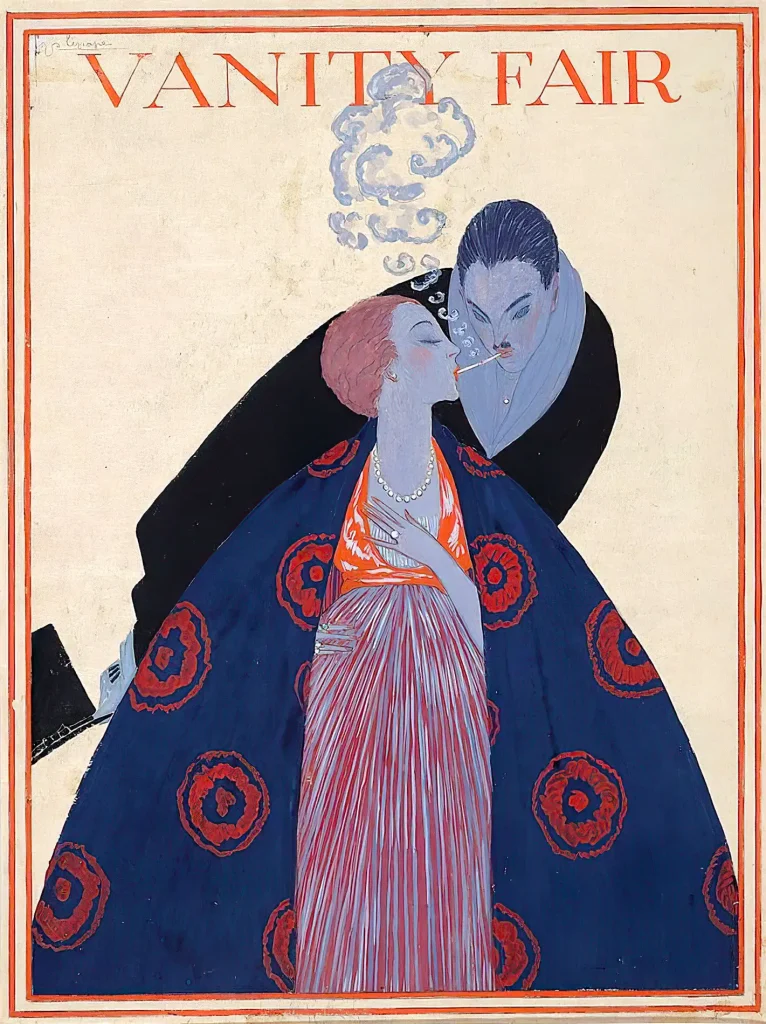
Graphic Arts
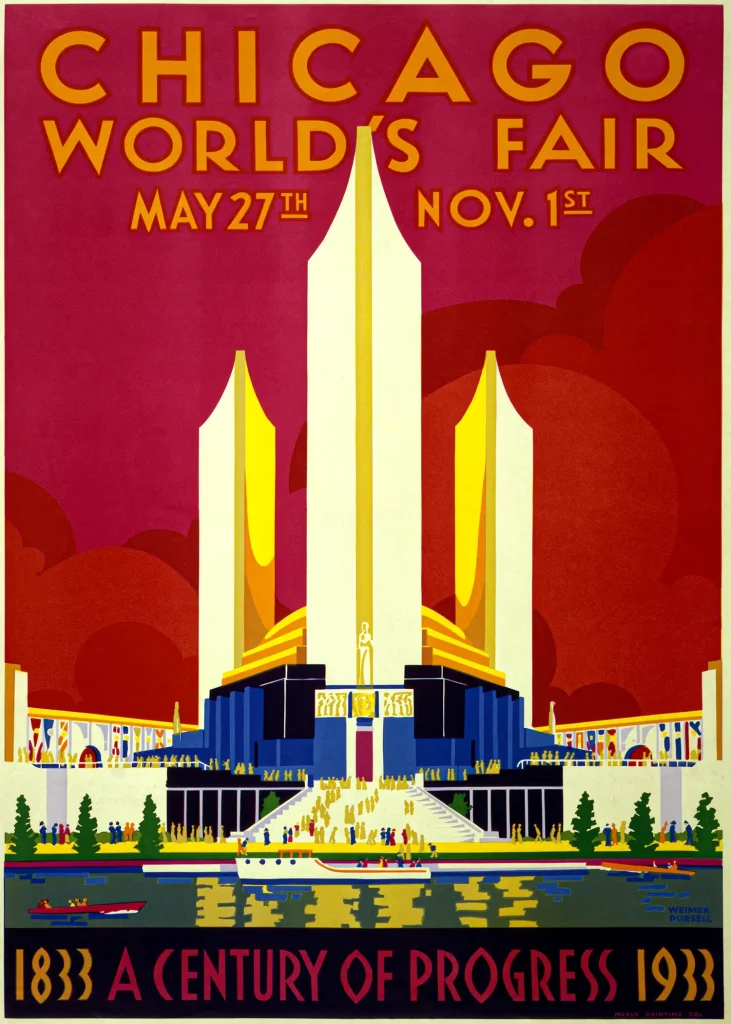
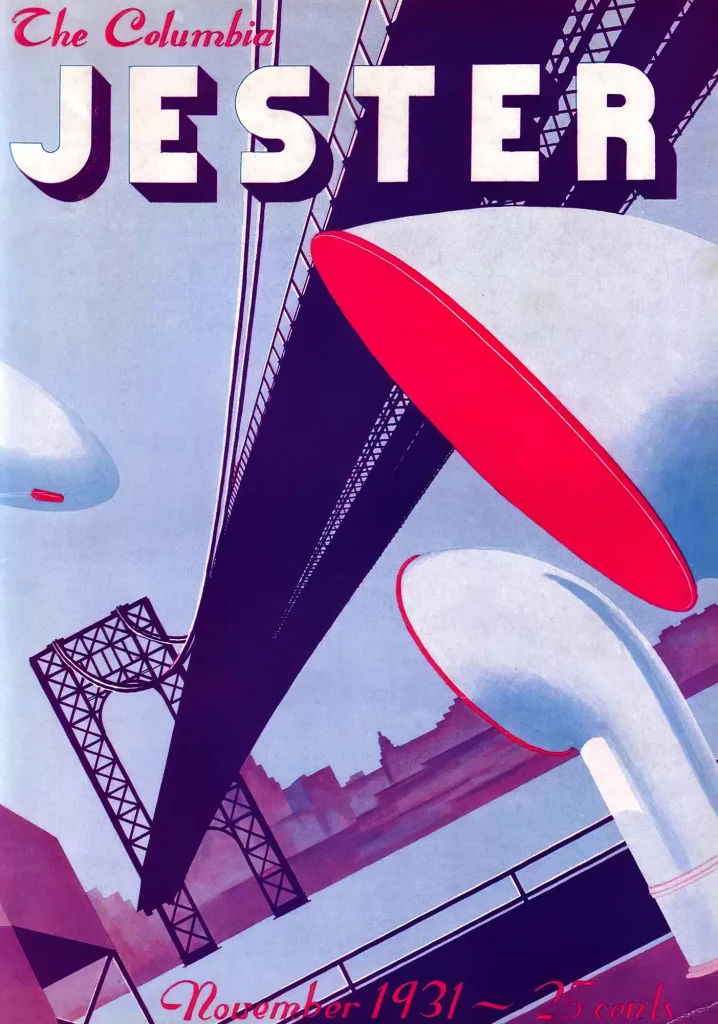
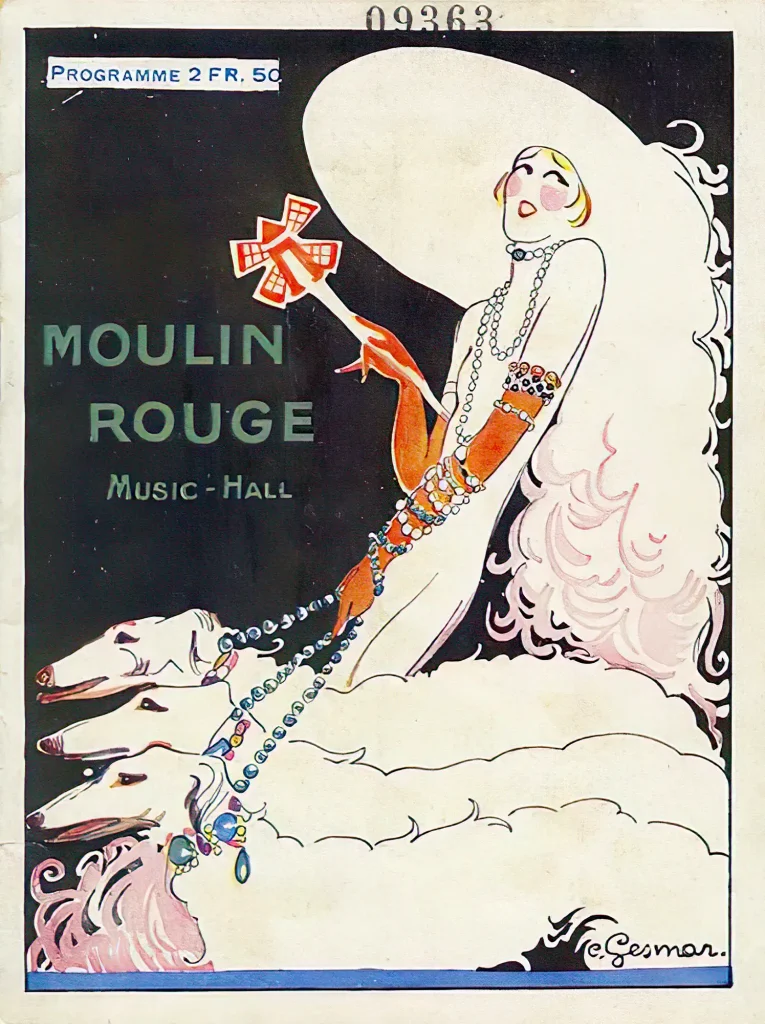
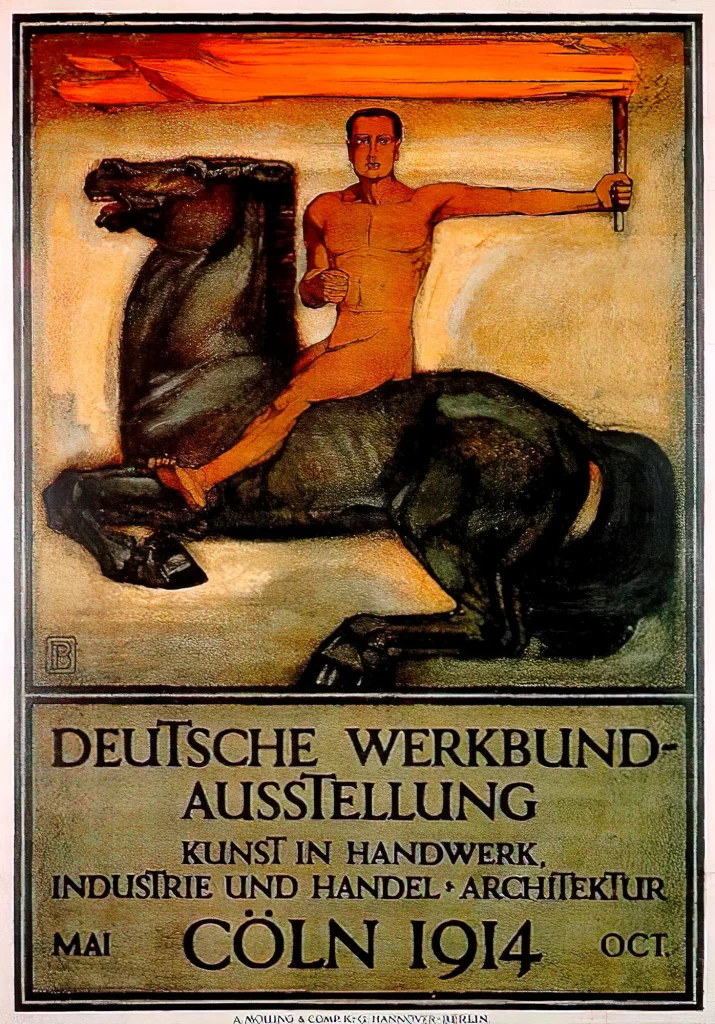
Art Deco graphic arts show off clean geometric lines and smooth forms that shout modernity. Artists grab vertical lines and shapes like circles and triangles to create patterns that look ahead of their time.
The designs beam with symmetry, sporting layered shapes and intricate line art.
Imagine graphics that take you back to a time when skyscrapers were new wonders. Art Deco artists did just that by playing with aerodynamic curves and adding splashes of metallic colors, especially gold.
Their work was bold and defined, with every line serving a purpose for eye-catching beauty. It made posters pop, and advertising felt like an exciting glimpse into tomorrow’s world.

Architecture
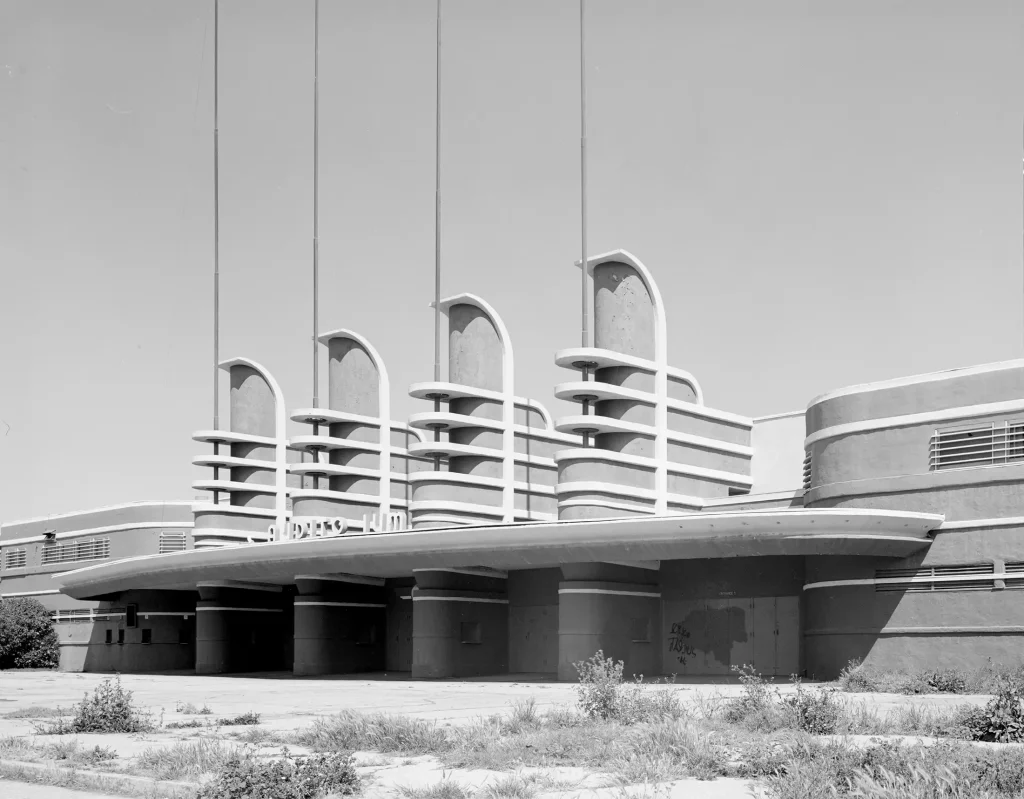
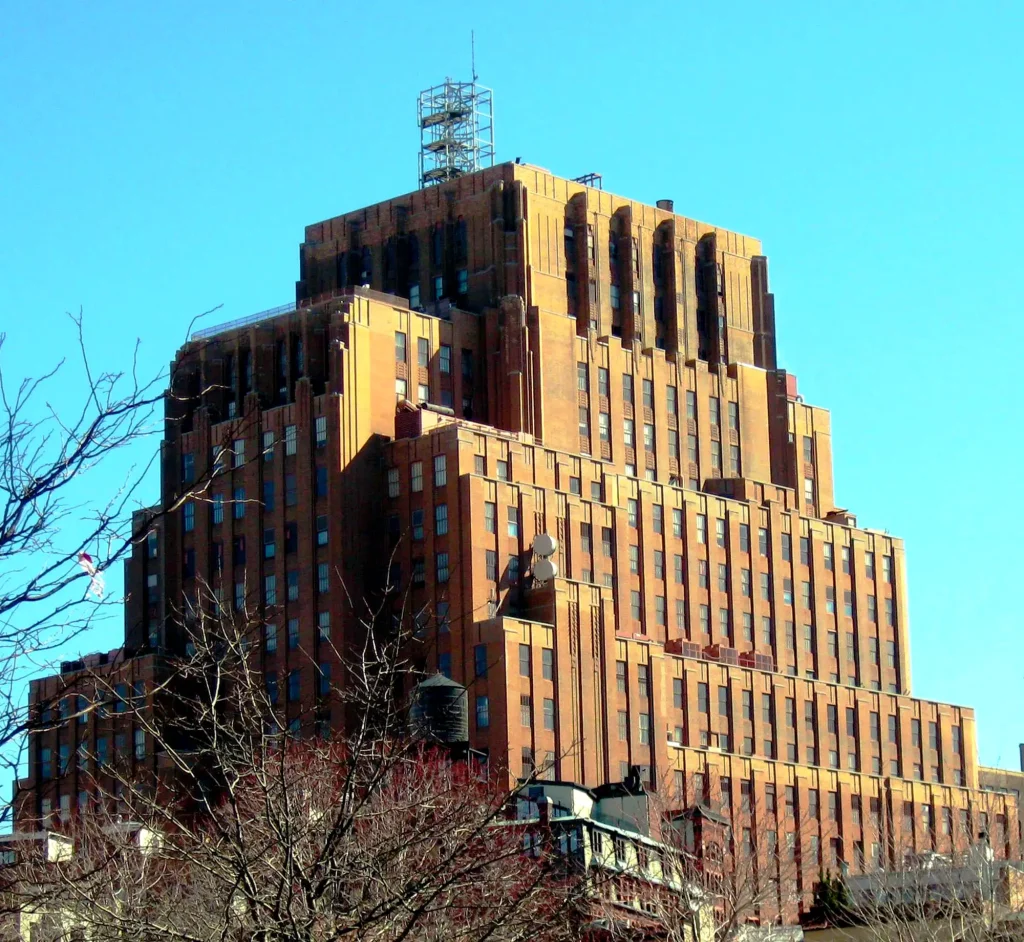
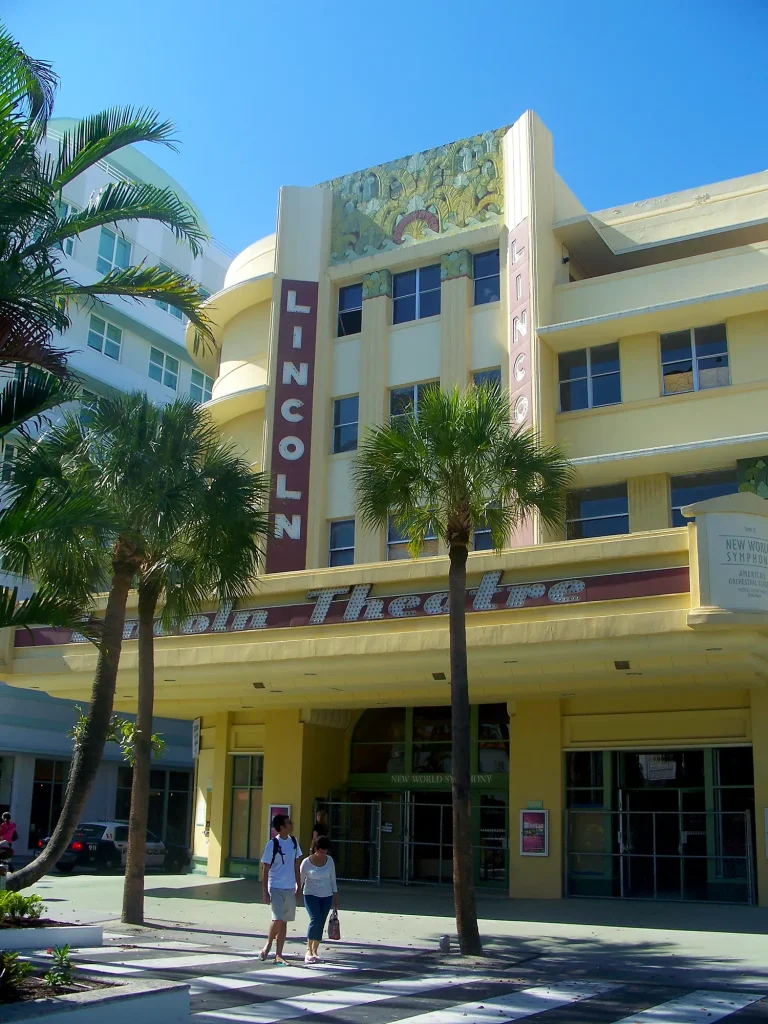
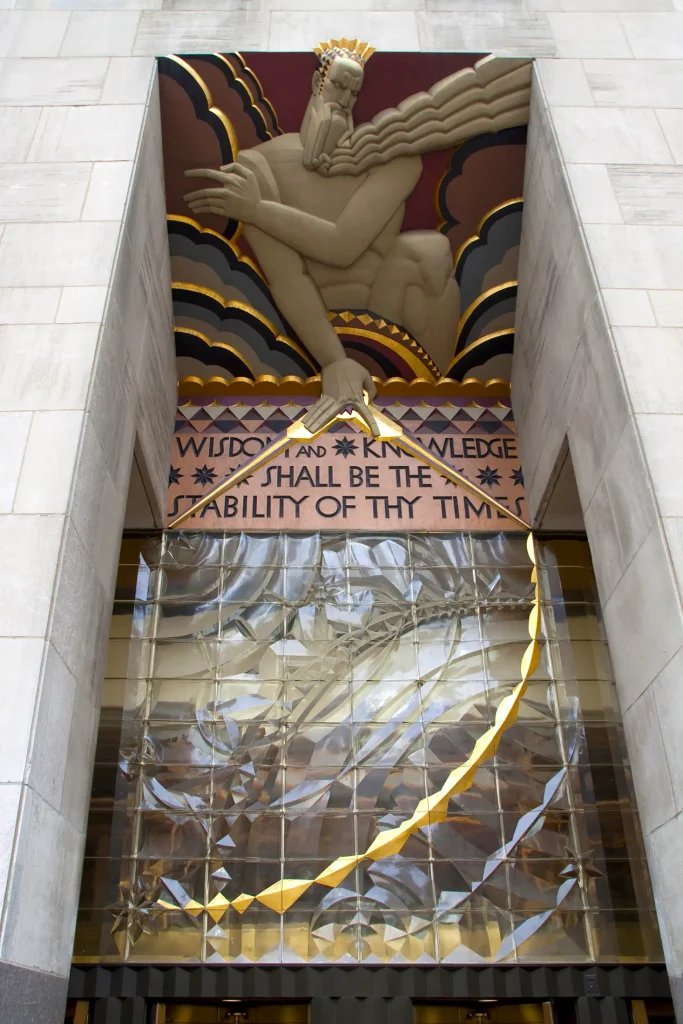
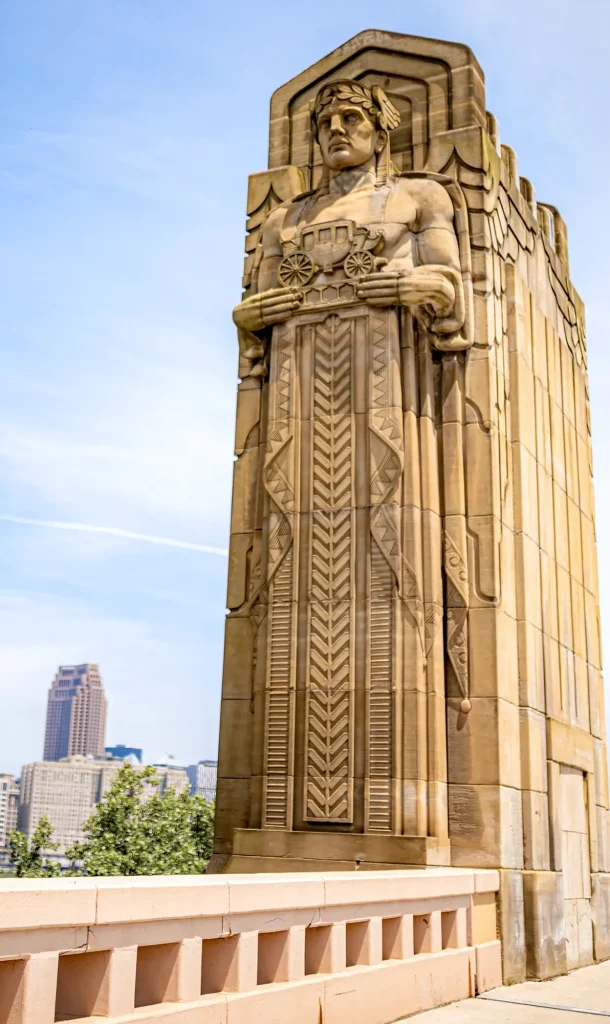
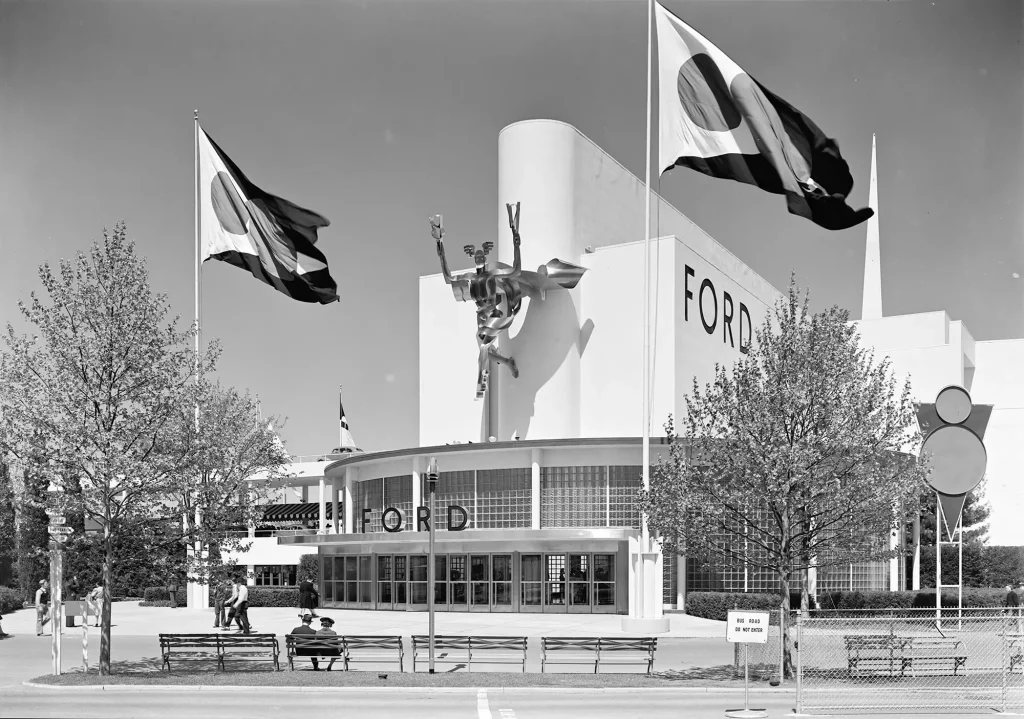
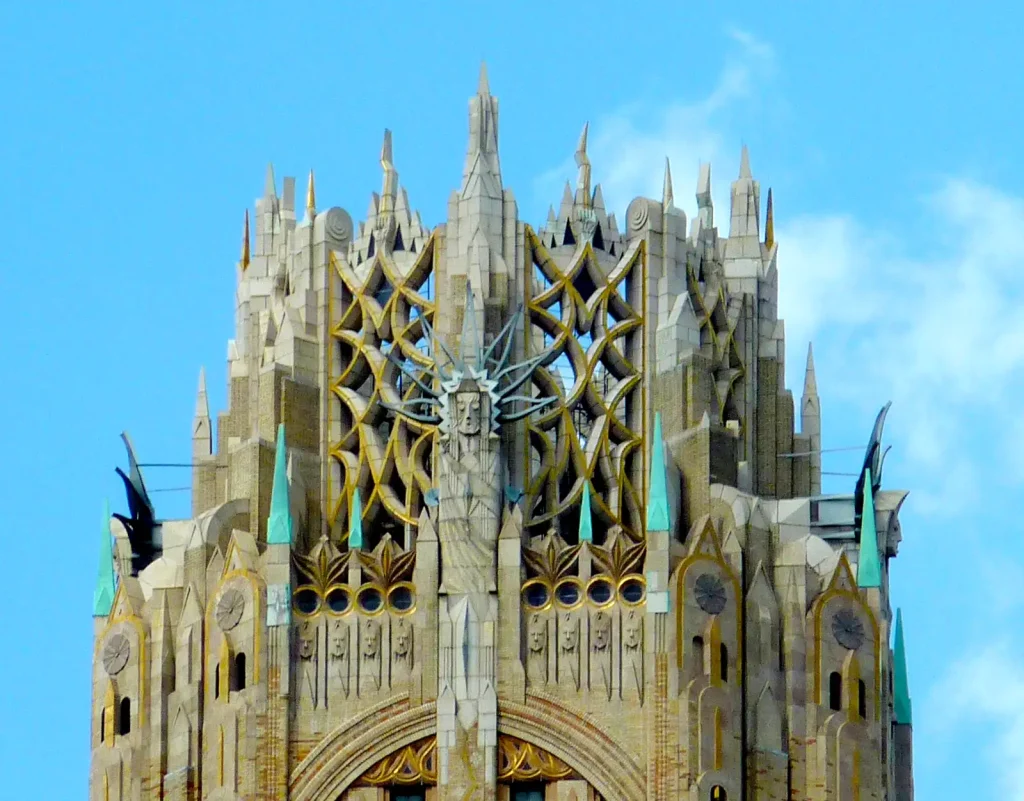
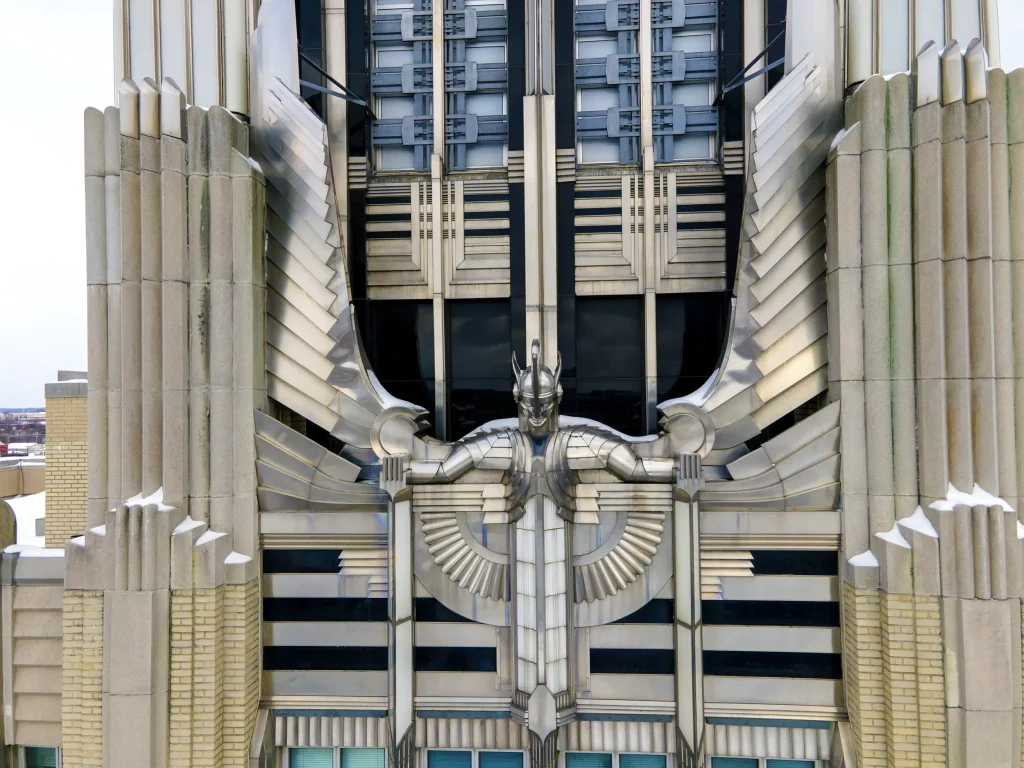
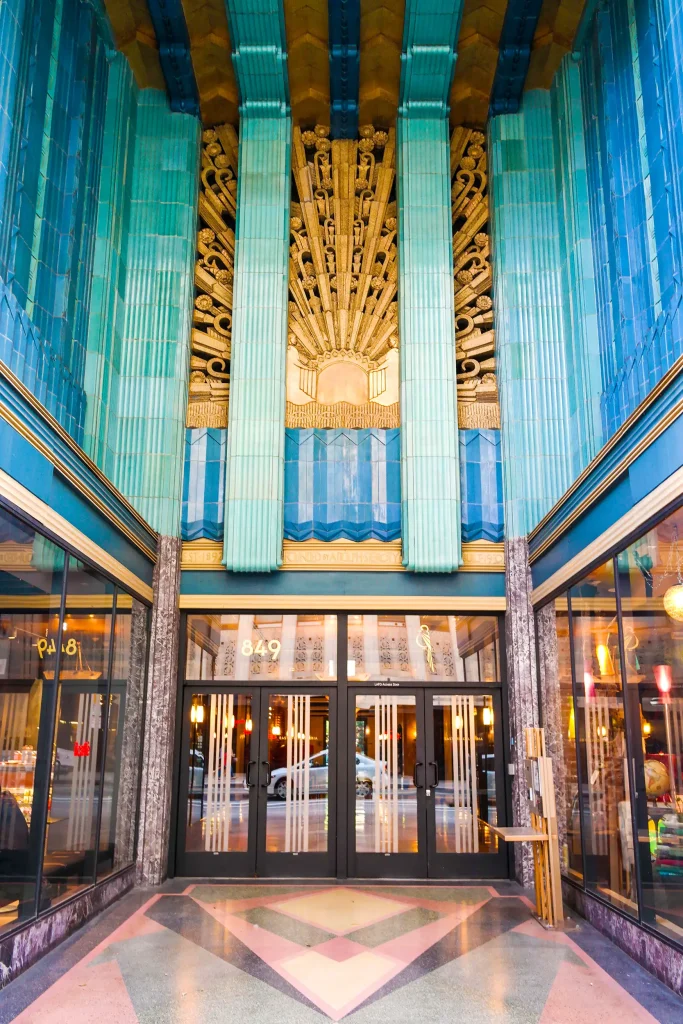
Moving from the canvas to city skylines, architecture became one of Art Deco’s most distinct expressions. Buildings reached for the clouds with sharp lines and gleaming facades. Architects embraced new materials like glass, chrome, and aluminum to create structures that shimmered with progress and luxury.
These buildings often featured vertical emphasis, which added to the sense of height and grandeur.
Cities across North America and Europe are dotted with these towering icons of the Art Deco period. The Chrysler Building in New York City is a glittering example; its crown comprises layered arches and triangular windows reflecting a bygone era of elegance.
Each facade became a canvas for decoration—geometric patterns carved or cast into stone and metalwork displaying motifs from nature or machinery. In this way, architects used ornamentation not simply as embellishment but as a statement about modernity.

Furniture Design
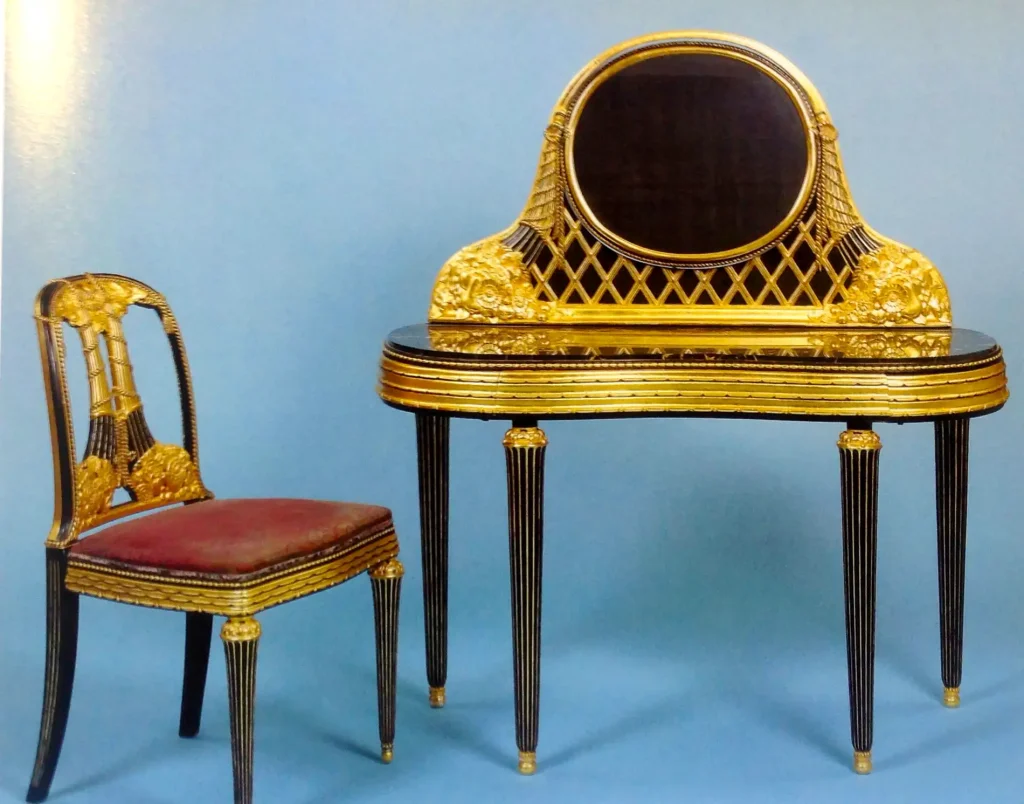
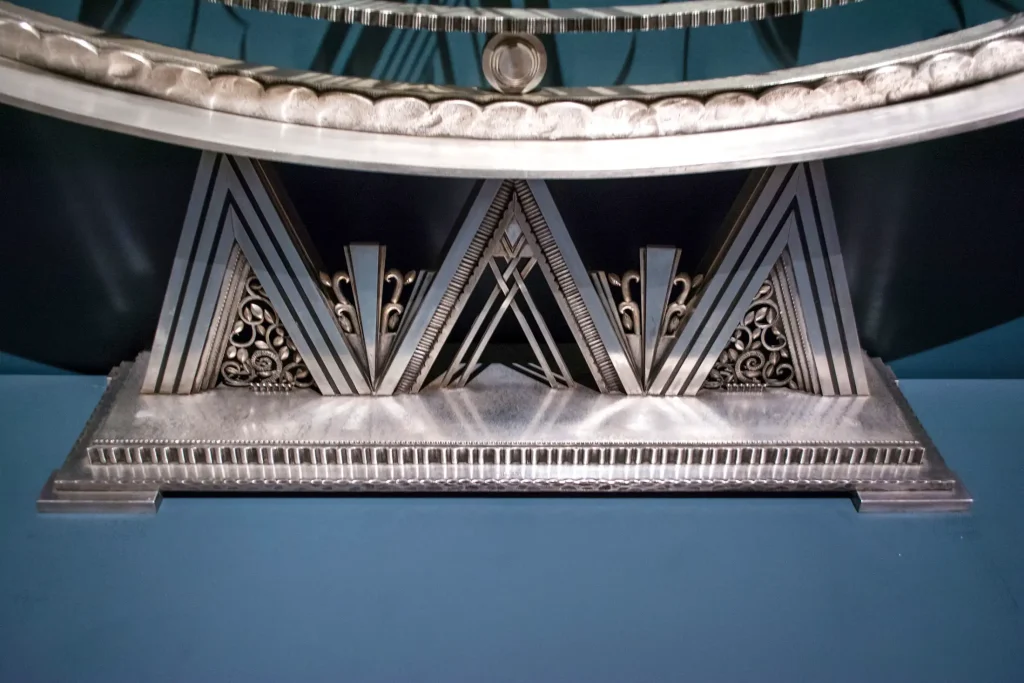
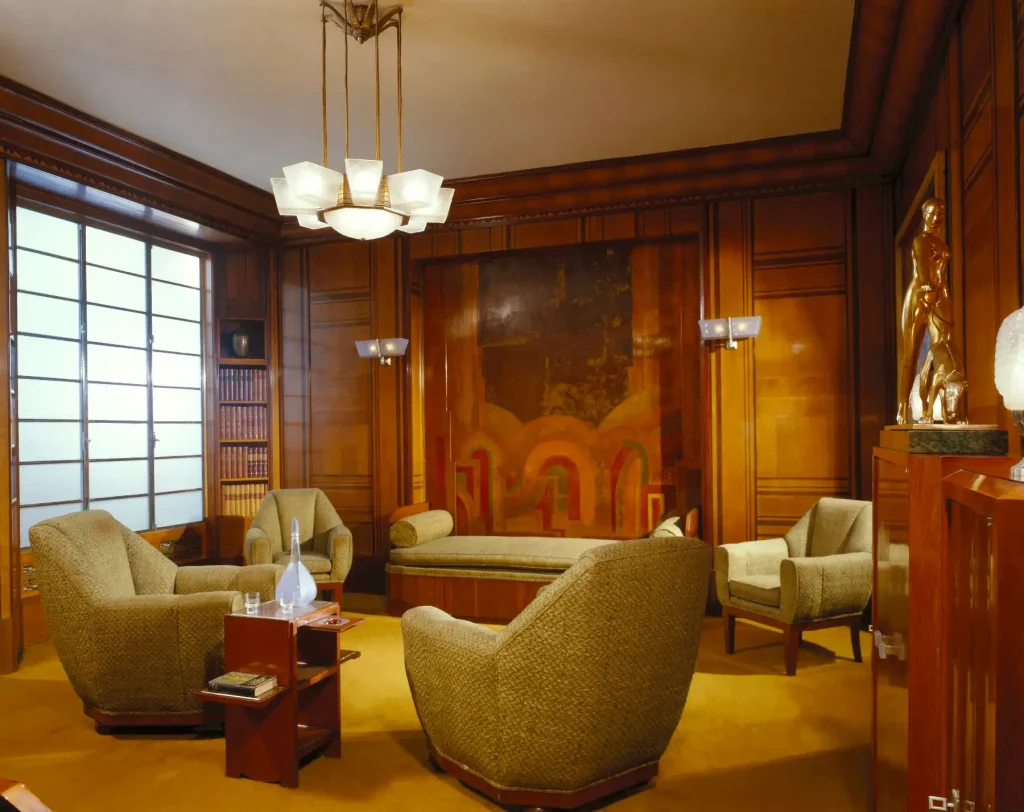
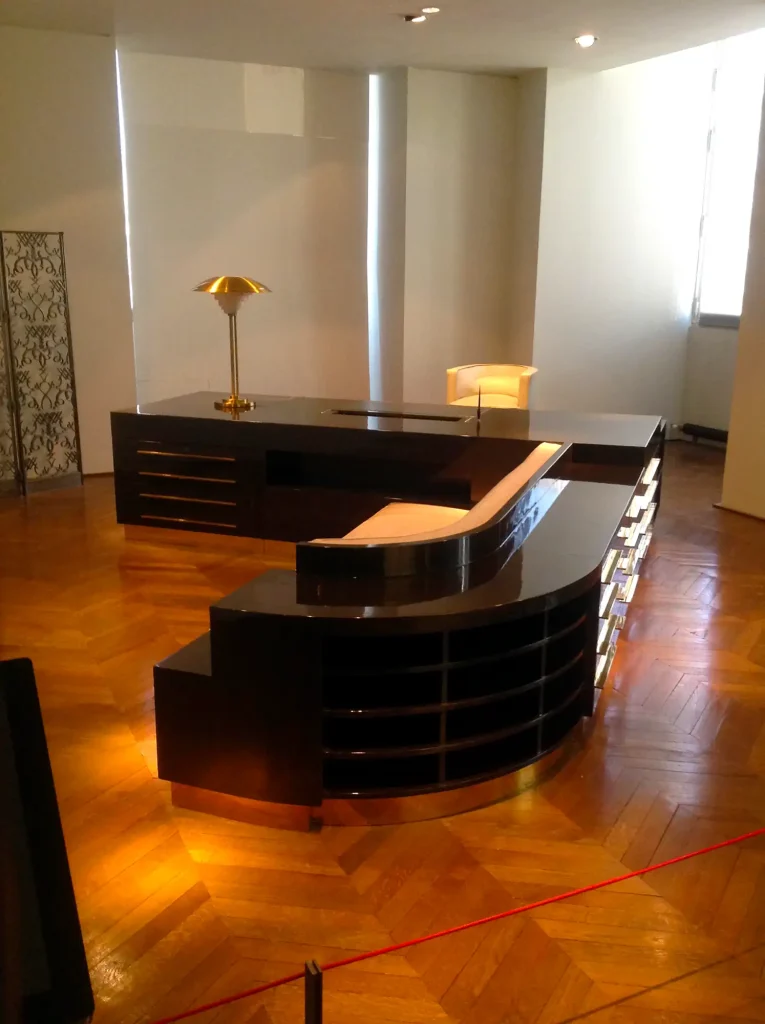
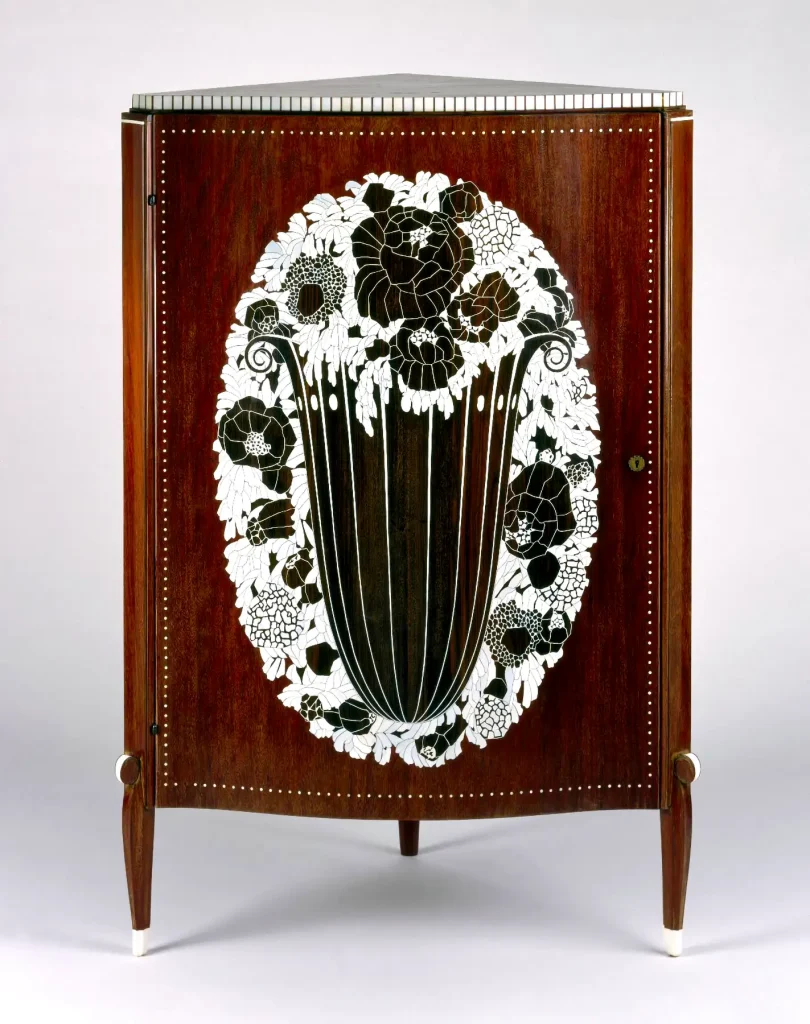
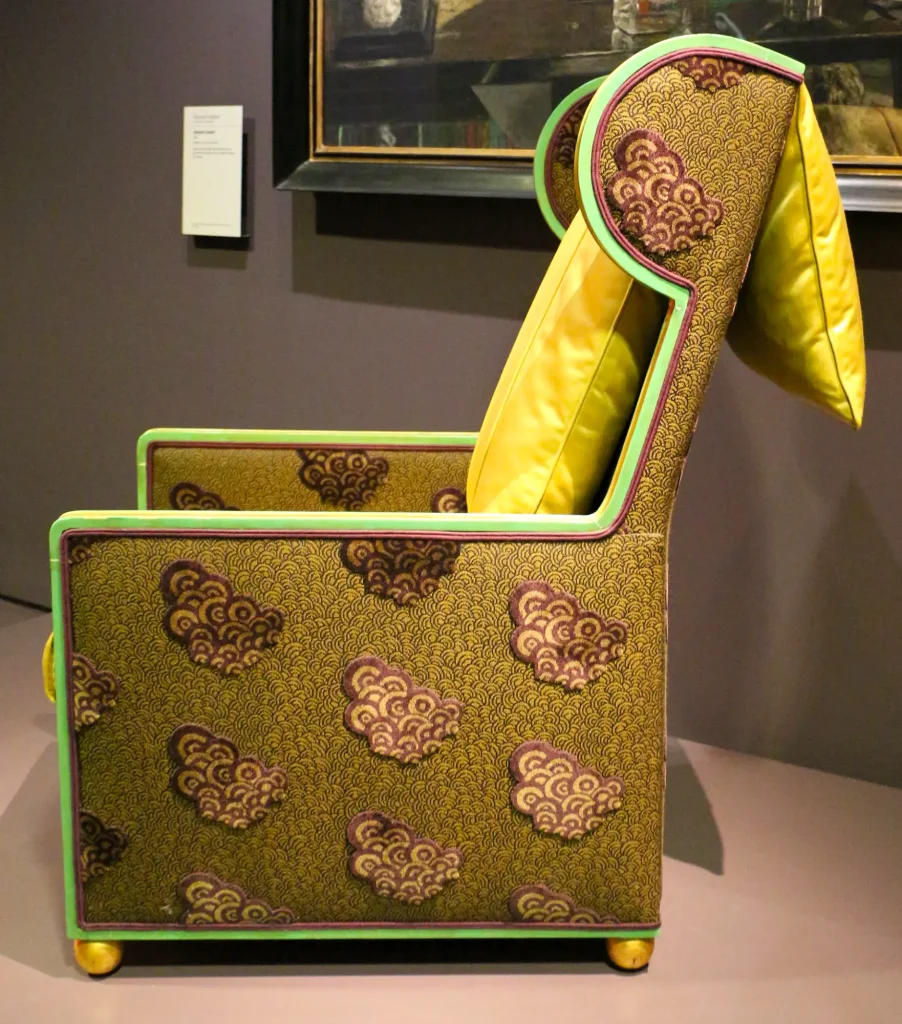
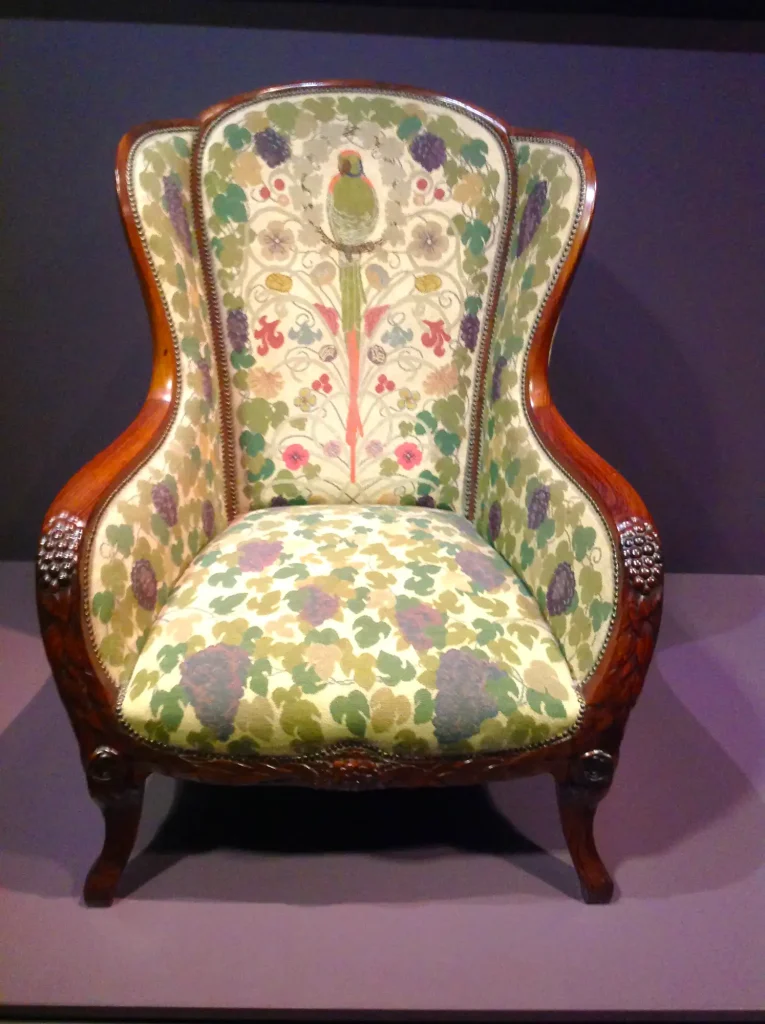
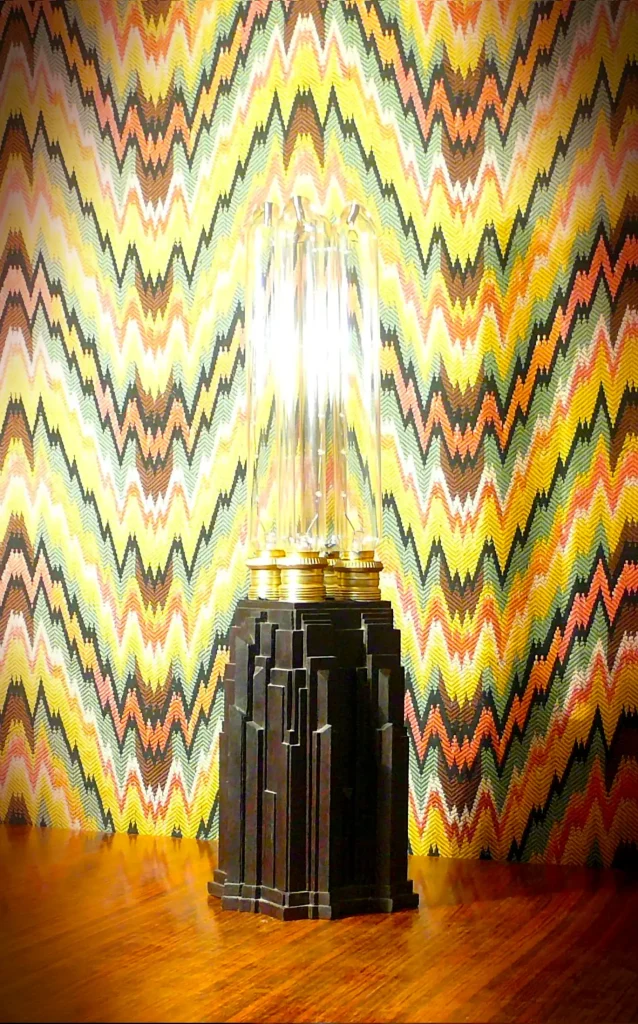
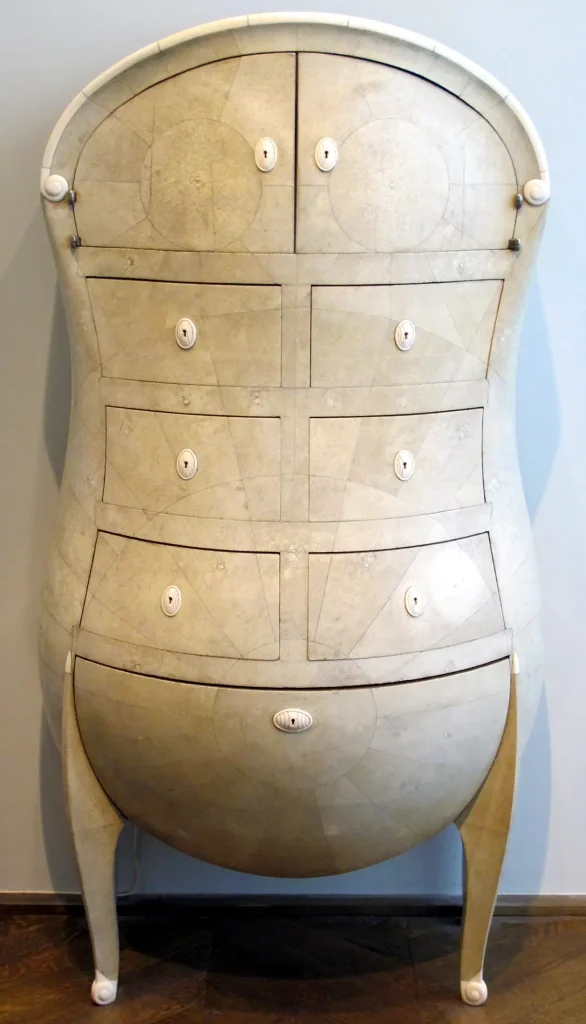
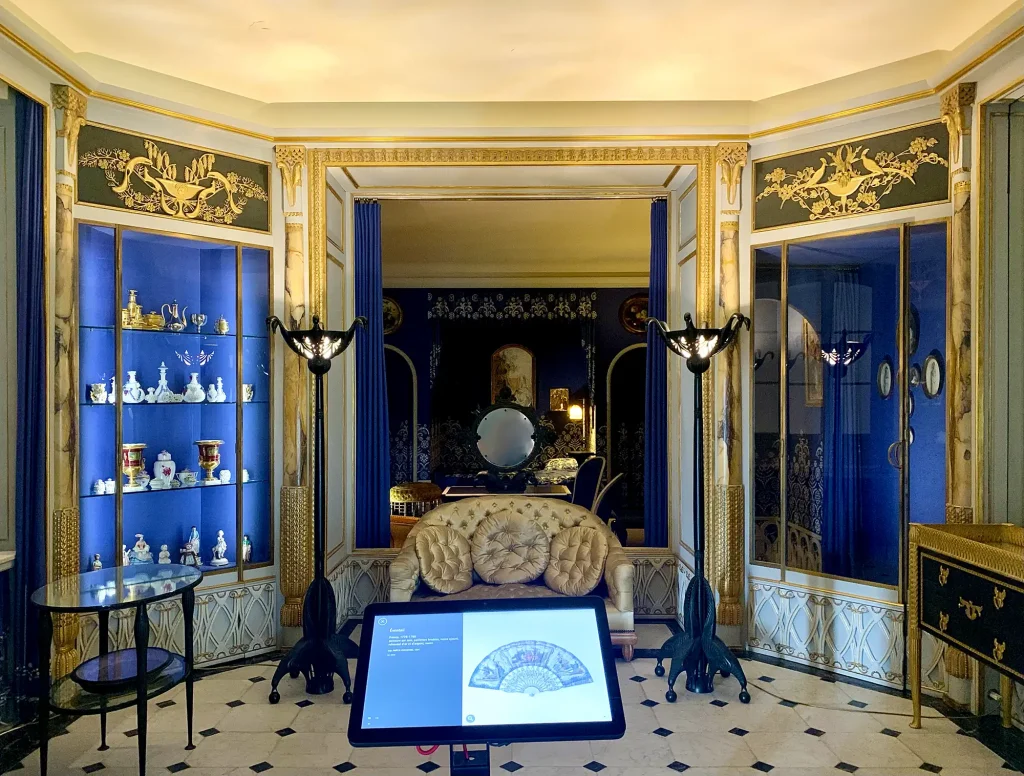
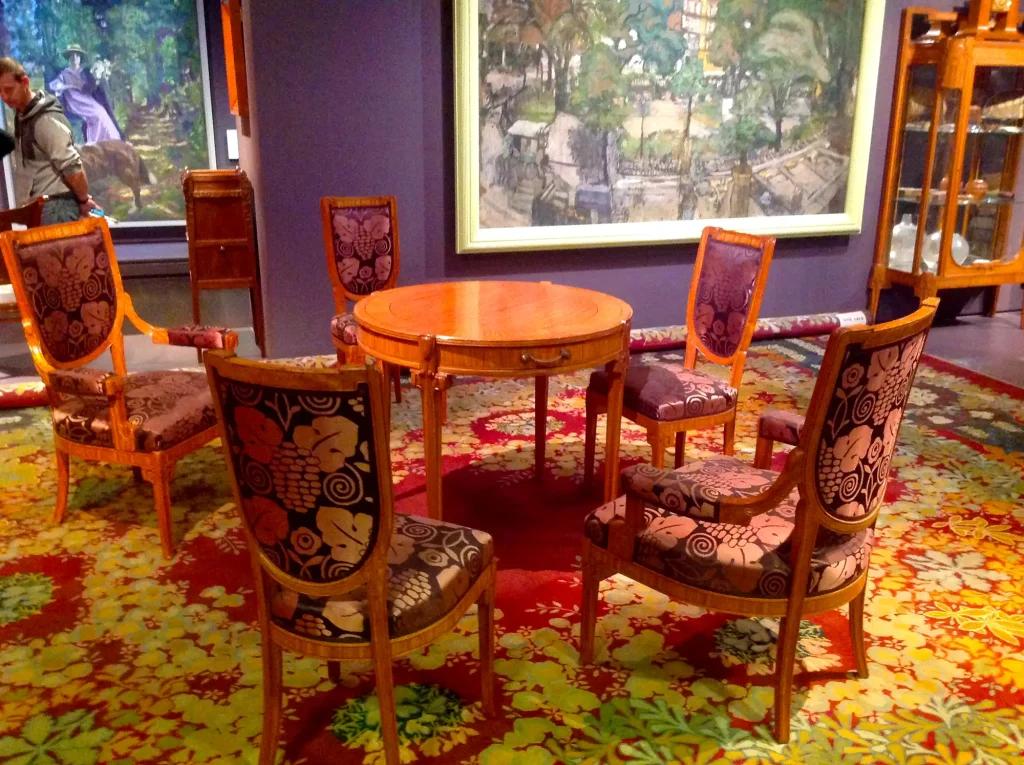
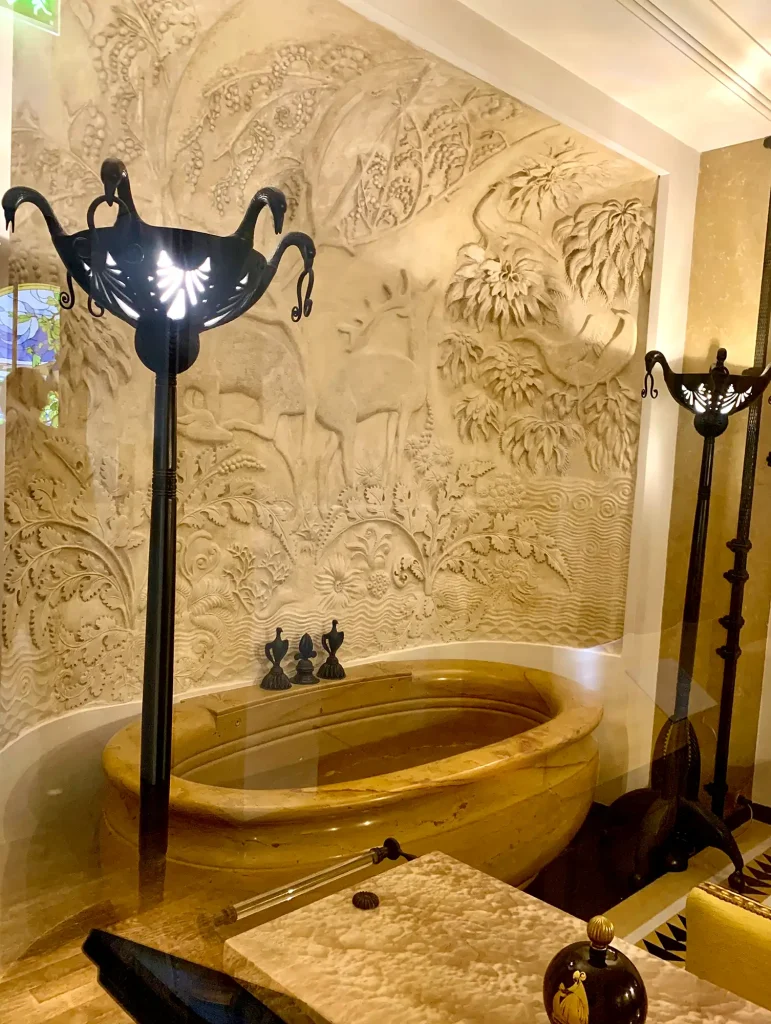
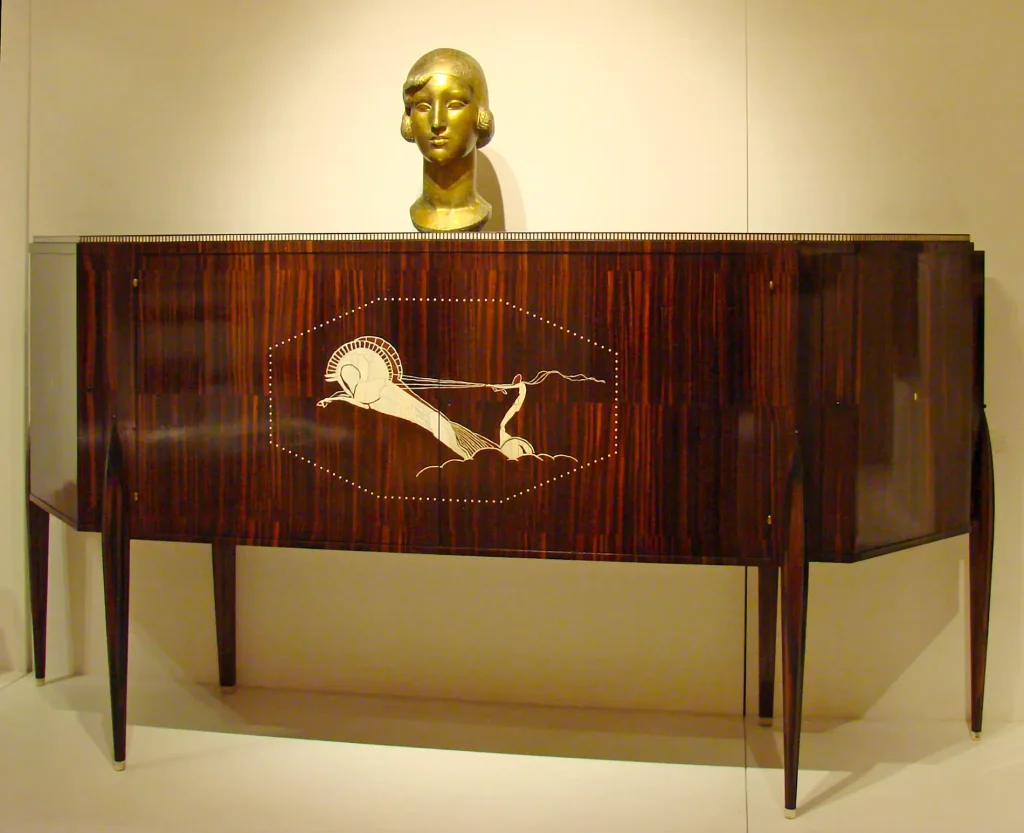
Art Deco furniture brings a touch of luxury and boldness into any room. Designers play with geometric shapes and mix them with high-end materials to create stunning pieces. They use rich wood, shiny metals, and vibrant colors.
Every table, chair, and cabinet shows the elegance of modern machinery.
Furniture in this style is not just for use, it’s also art. The furniture designers Louis Süe and André Mare first appeared at the 1912 exhibit under the name of the Atelier Français, combining polychromatic fabrics with exotic and expensive materials, including ebony and ivory.

Textile Design
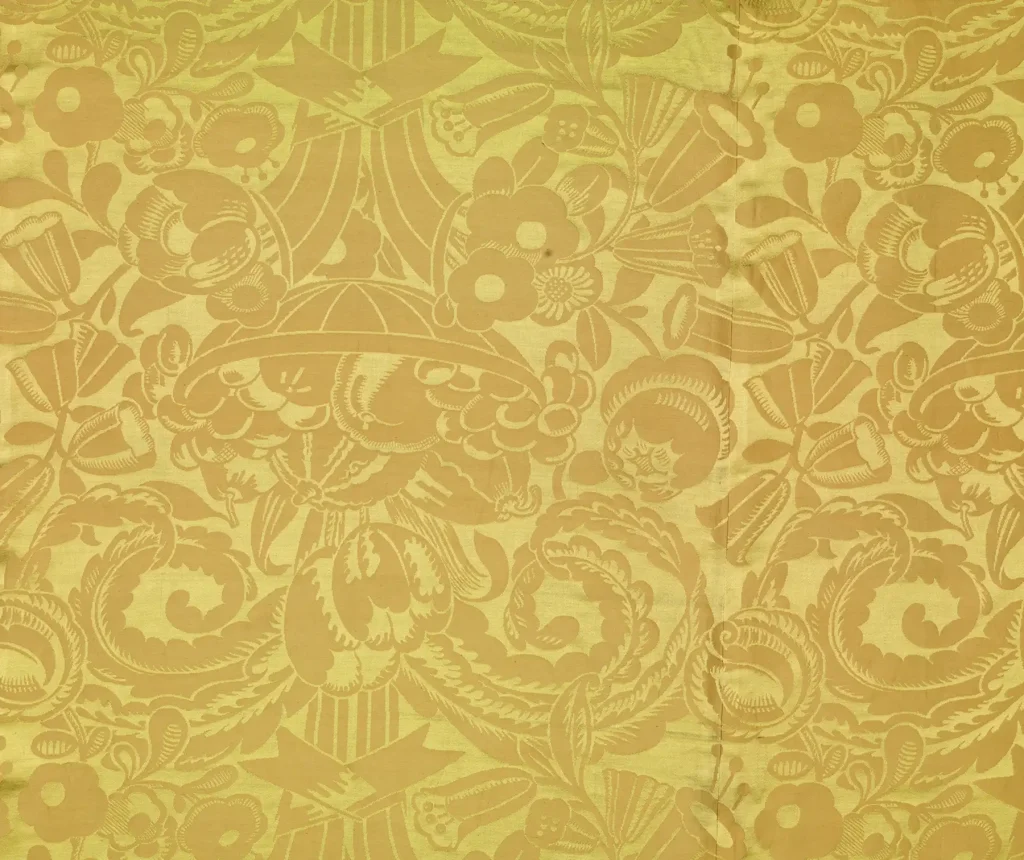
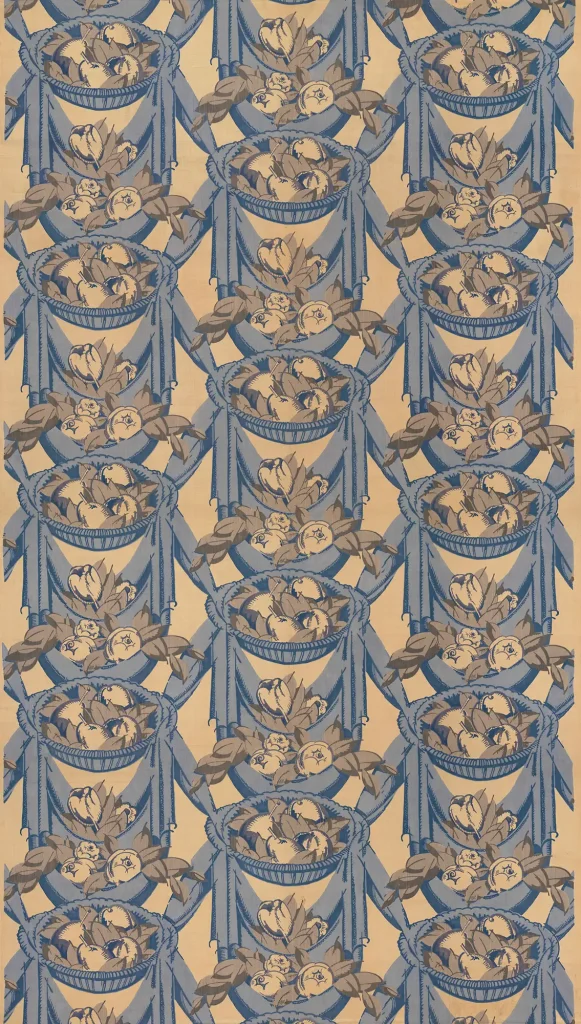
Textile design during the Art Deco era was all about sharp angles and bold patterns. Designers drew inspiration from Art Nouveau and pushed boundaries to create stunning and modern fabrics.
They often featured geometric shapes, which were a stark contrast to previous designs with their organic curves. Clothes became canvases for these expressive prints, making fashion a vital part of the movement.
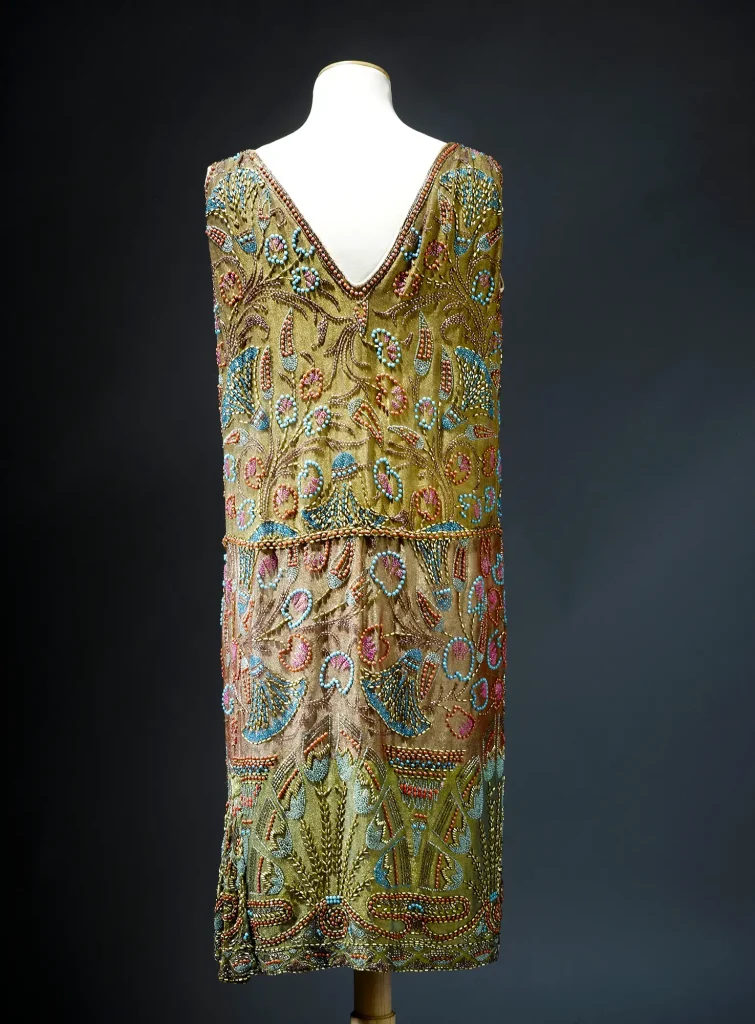
Fabrics shimmered with new colors and textures, reflecting advancements in dyeing techniques and material production. This led to innovative uses of velvet, silk, and other luxurious materials in clothing design.
Fashion houses today still borrow these elements from Art Deco textile designs—think bright hues paired with striking zigzags or spirals—to capture that mix of tradition and trailblazing style.


Fashion
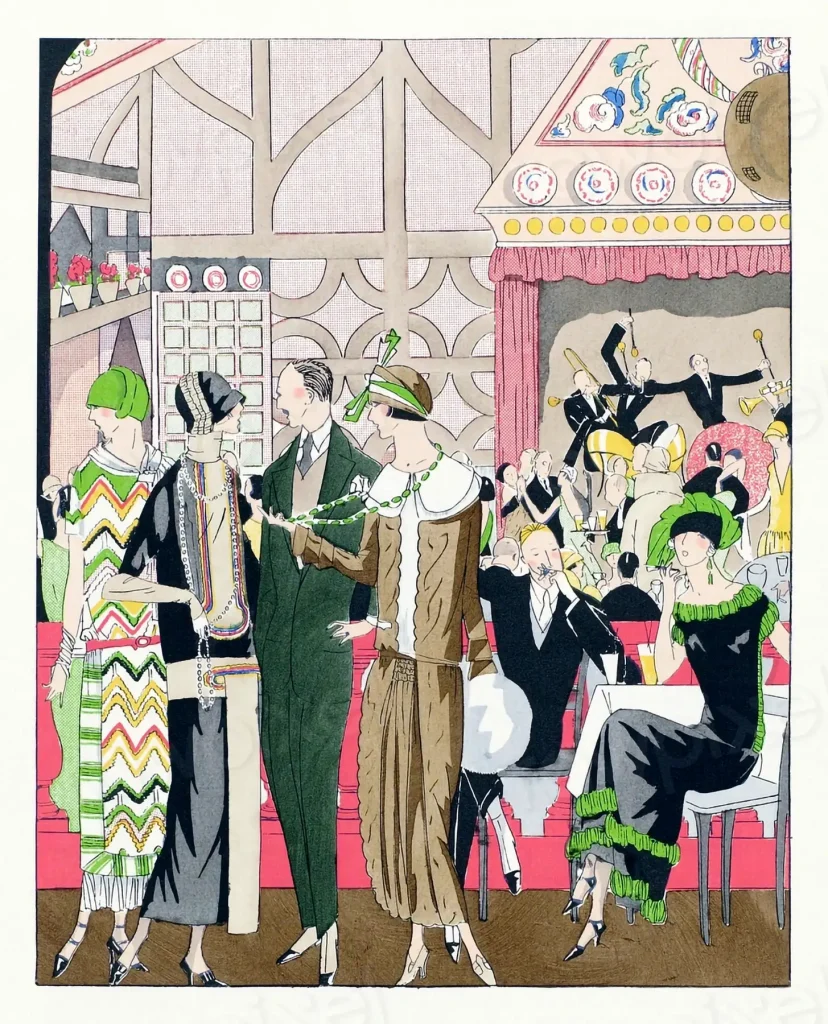
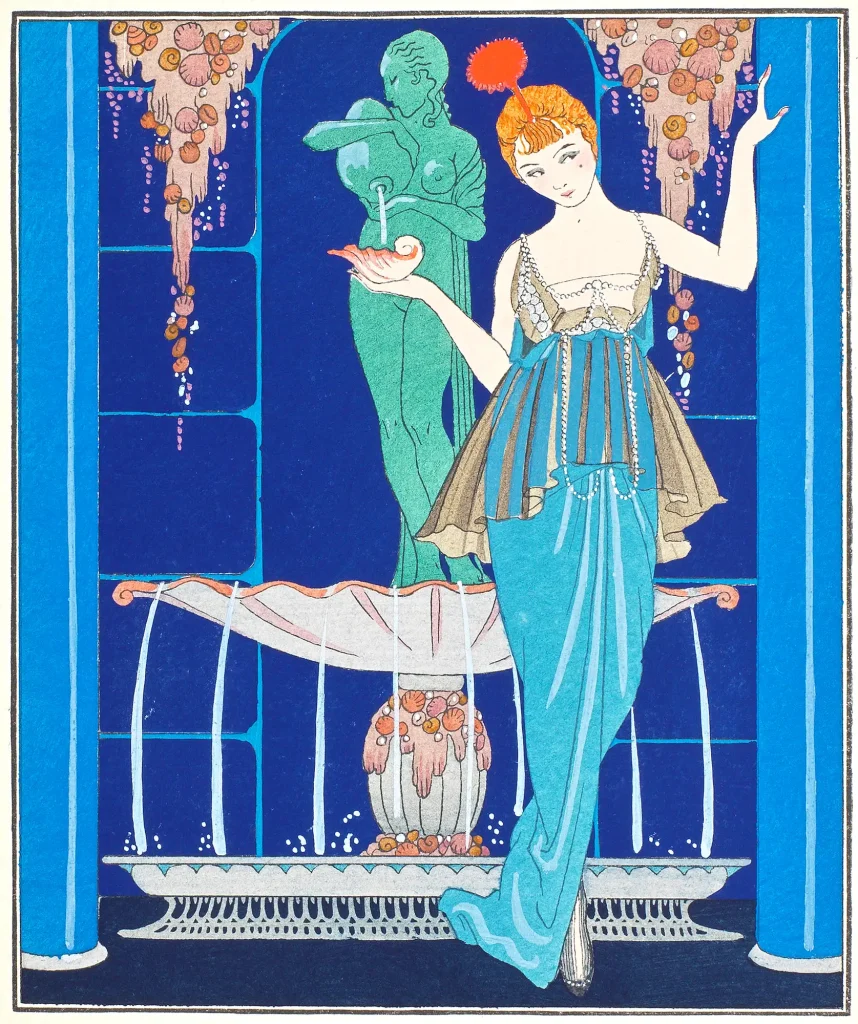
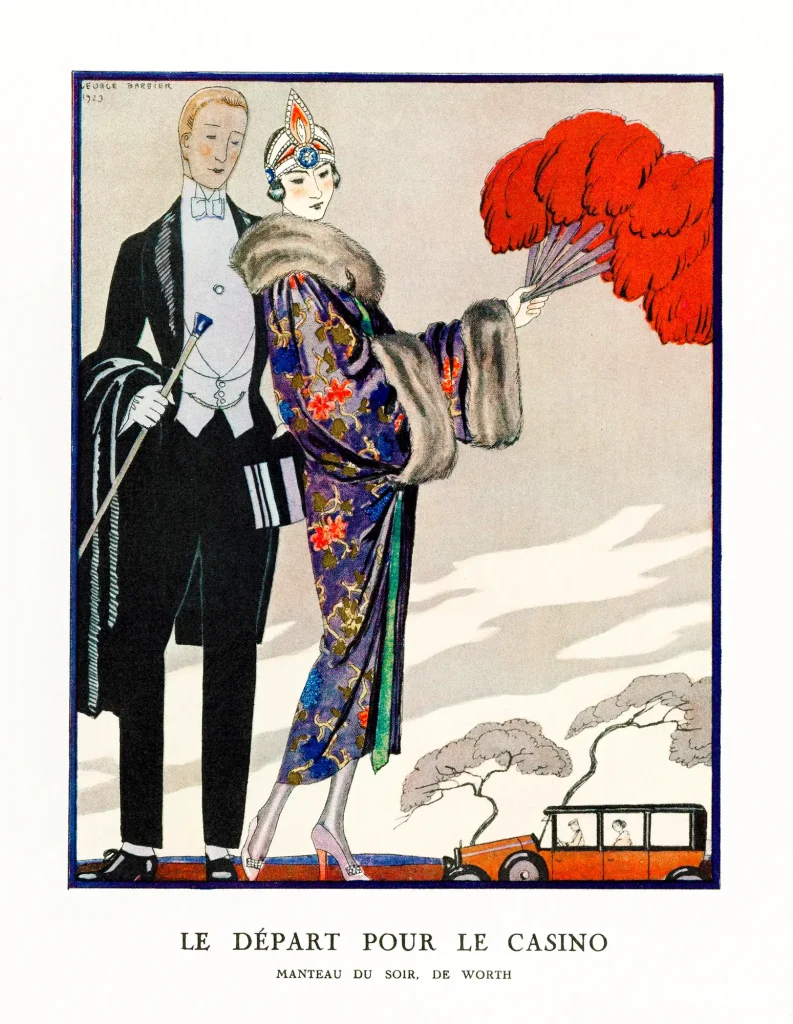
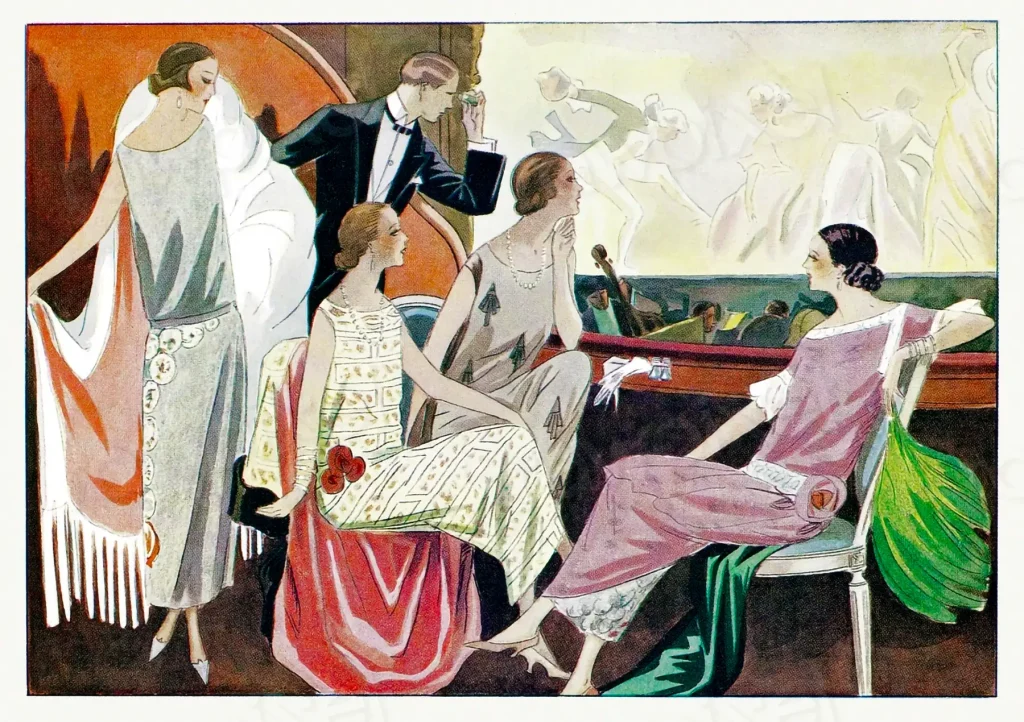
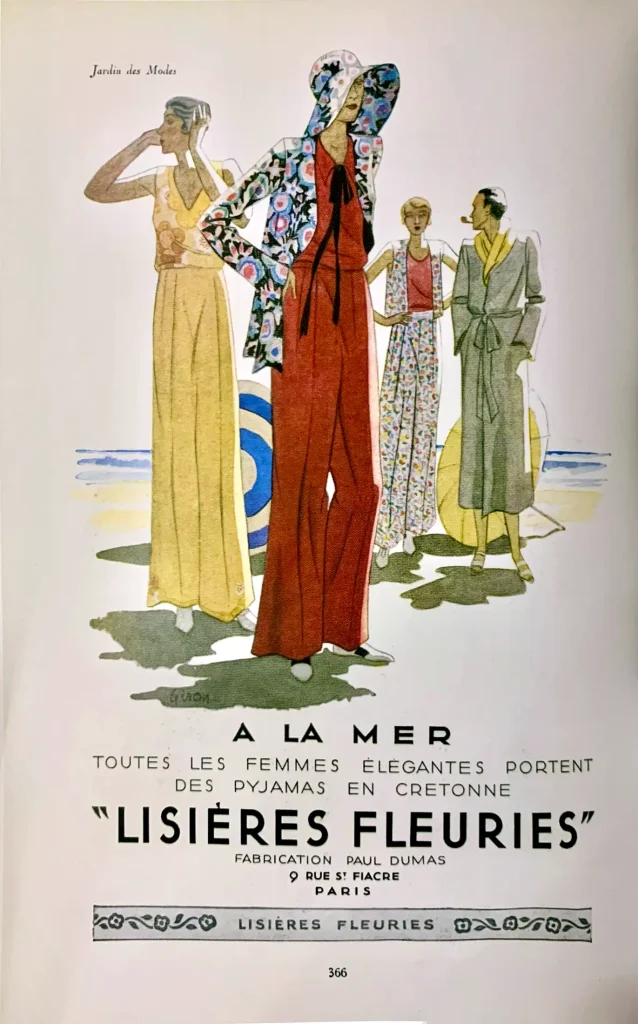
Just as textile design showcases the patterns and textures of Art Deco, fashion brings this dynamic style to life in our wardrobe. Dresses, suits, and accessories from this era feature sharp lines and striking shapes.
Designers use luxurious materials like silk and velvet to make a statement. Clothes have precise cuts that create bold silhouettes.
Art Deco fashion gives us dramatic color mixtures and repetitive geometric designs. Jewelry often has dazzling combinations of gems in angular arrangements. This style continues to dazzle on runways today, with its influence seen in modern creations by top designers seeking that same glamour and sophistication.
Jewelry
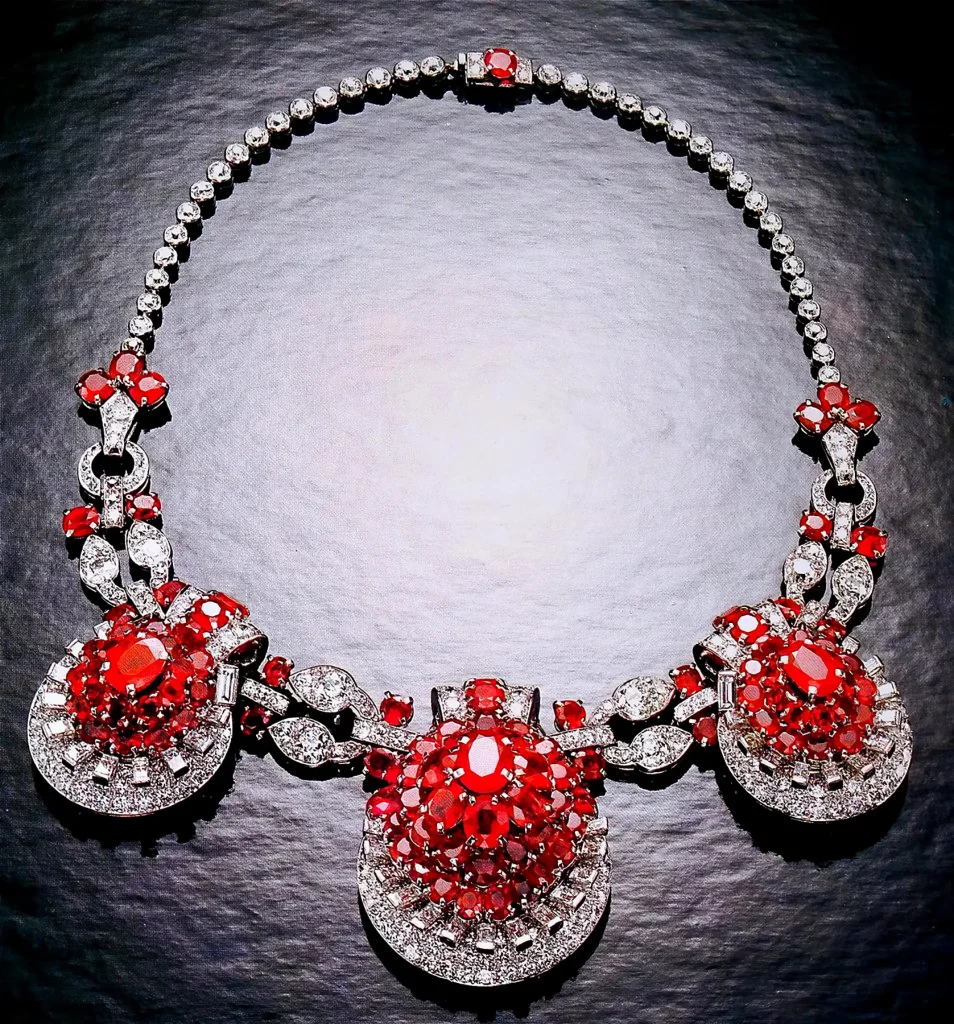
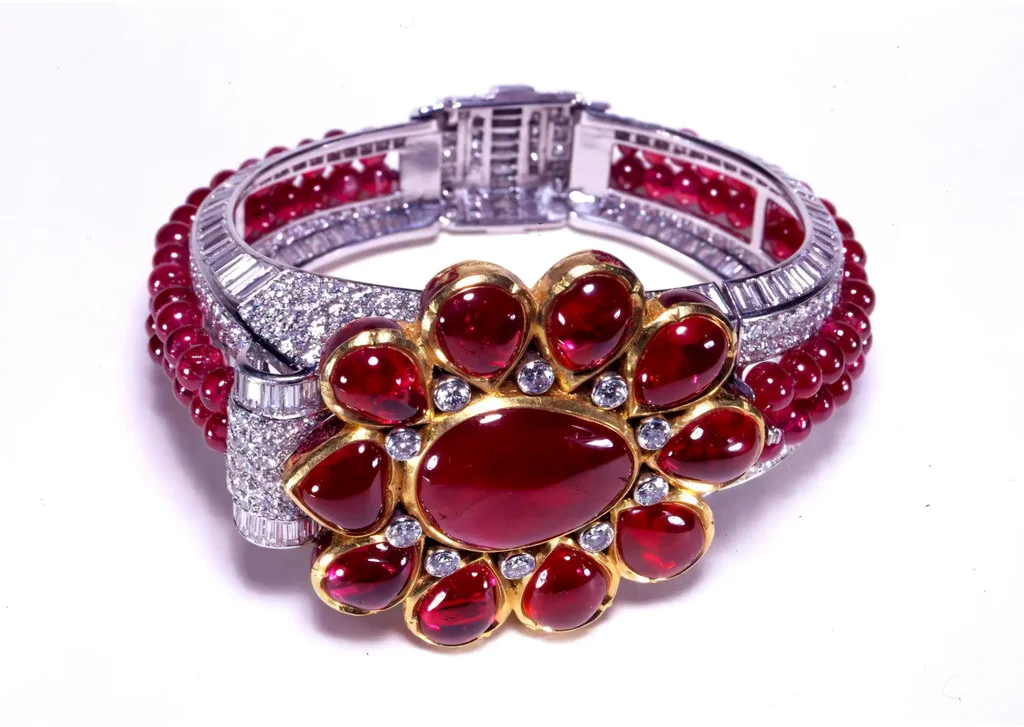
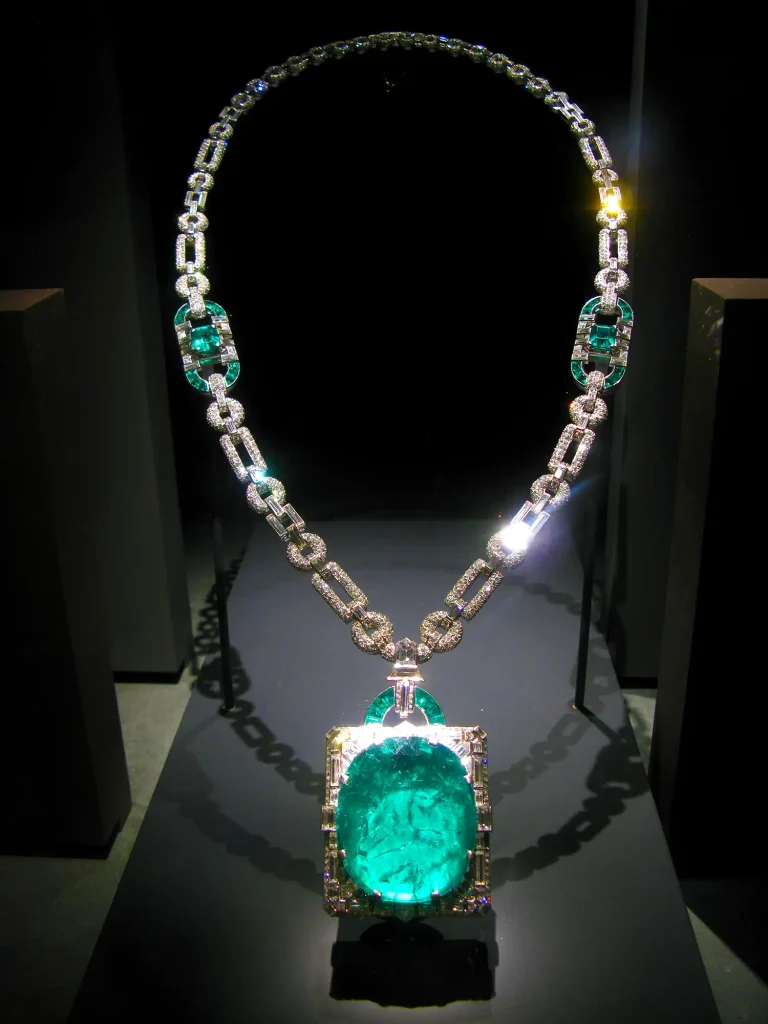
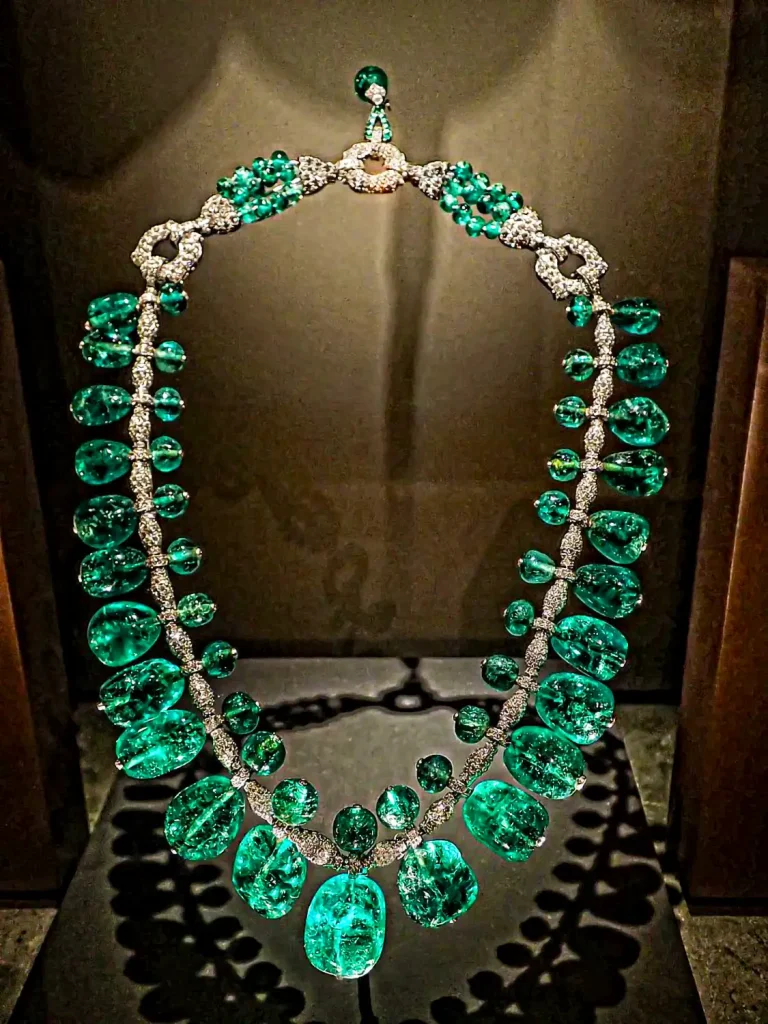
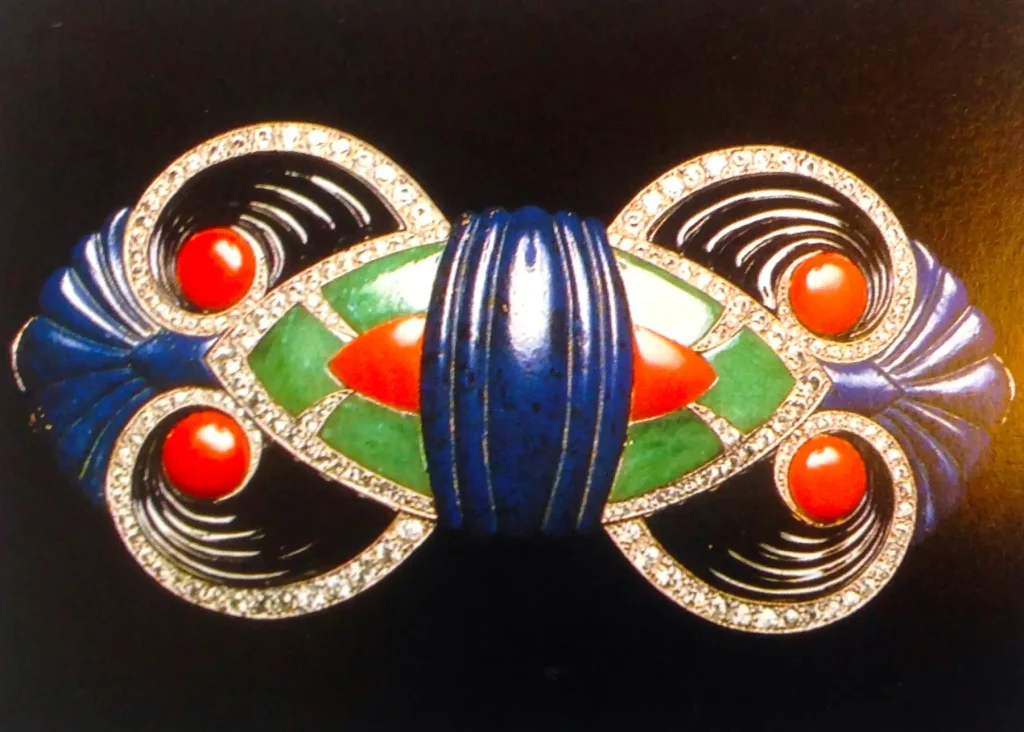
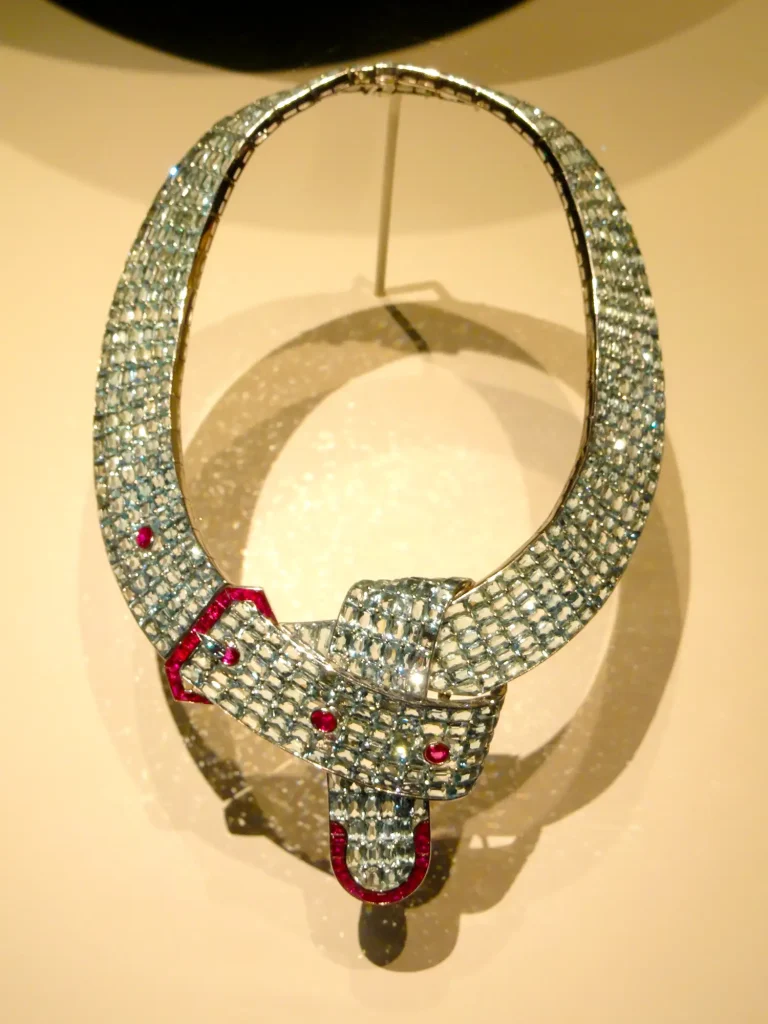
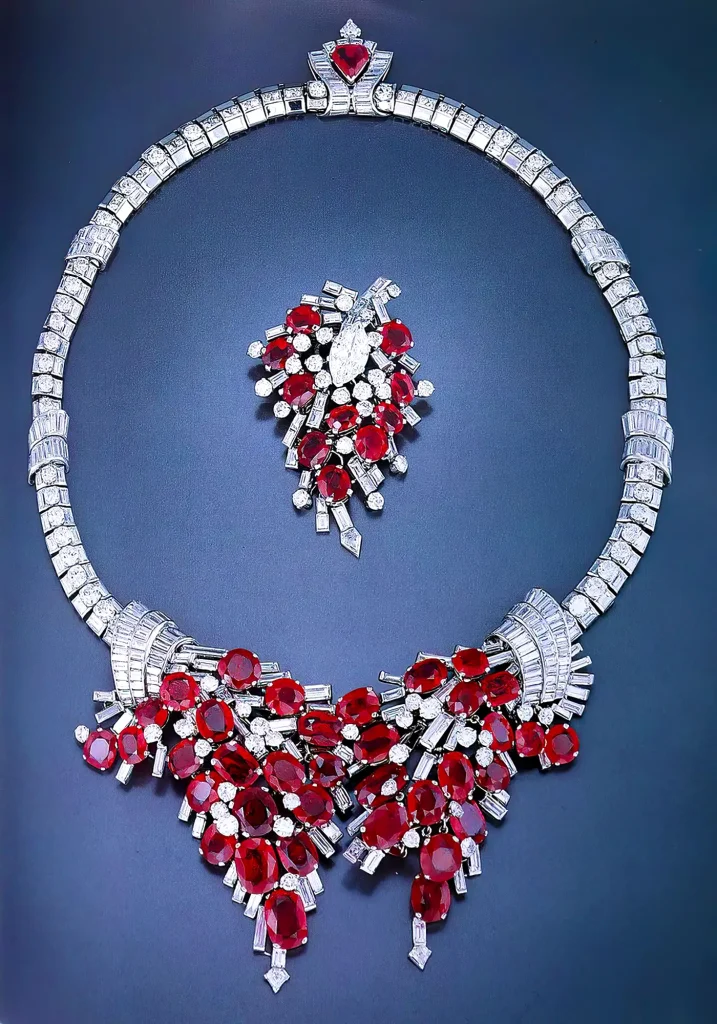
Art Deco jewelry brings drama with its sharp geometric shapes and eye-catching symmetry. Picture sparkling rings with diamonds cut into precise baguettes or bold trapezoids. Designers drew inspiration from the angular art of Cubism, crafting pieces that make a statement.
Necklaces, brooches, and bracelets shine with clean lines and forms like circles, rectangles, and triangles.
This style isn’t shy about luxury or modern flair. In every piece of Art Deco jewelry lies a little rebellion against older traditions – it’s all about embracing the new. The symmetrical designs in engagement rings aren’t just beautiful; they’re an emblem of balance and forward-thinking elegance.
Jewelers used materials that catch light brilliantly to create wearable works of art for all to admire.

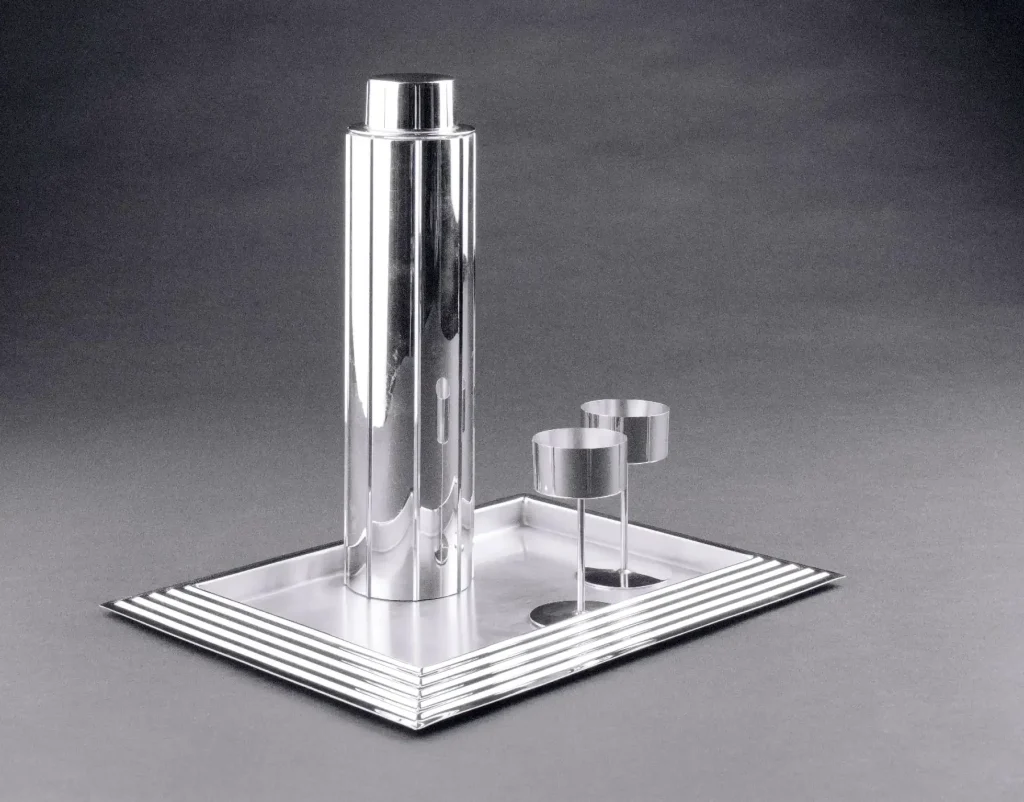
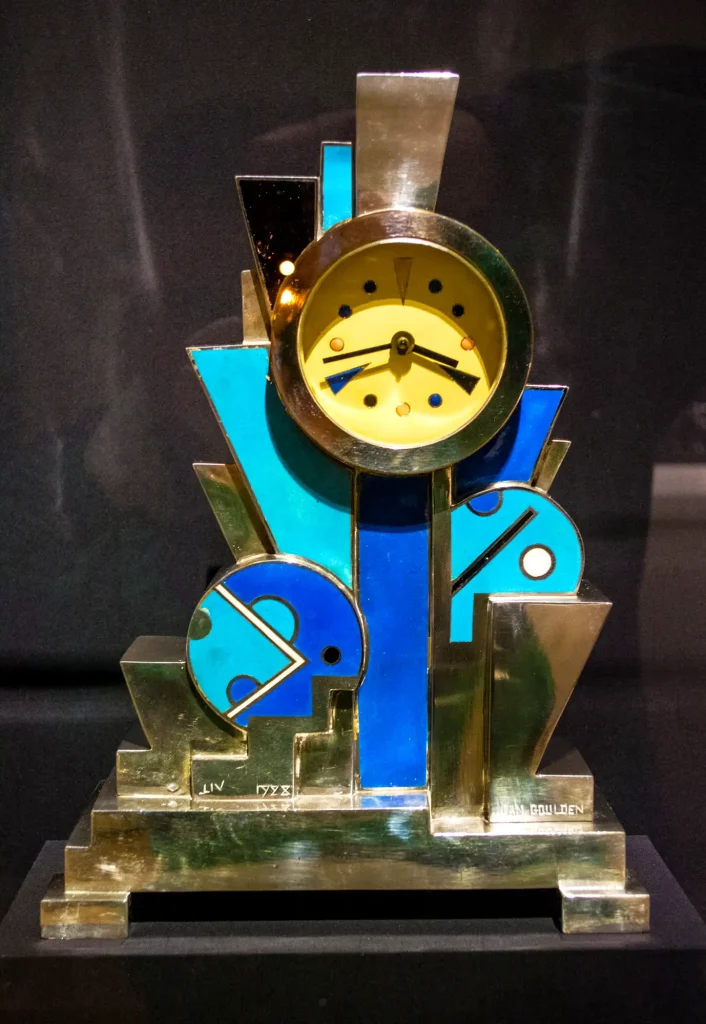
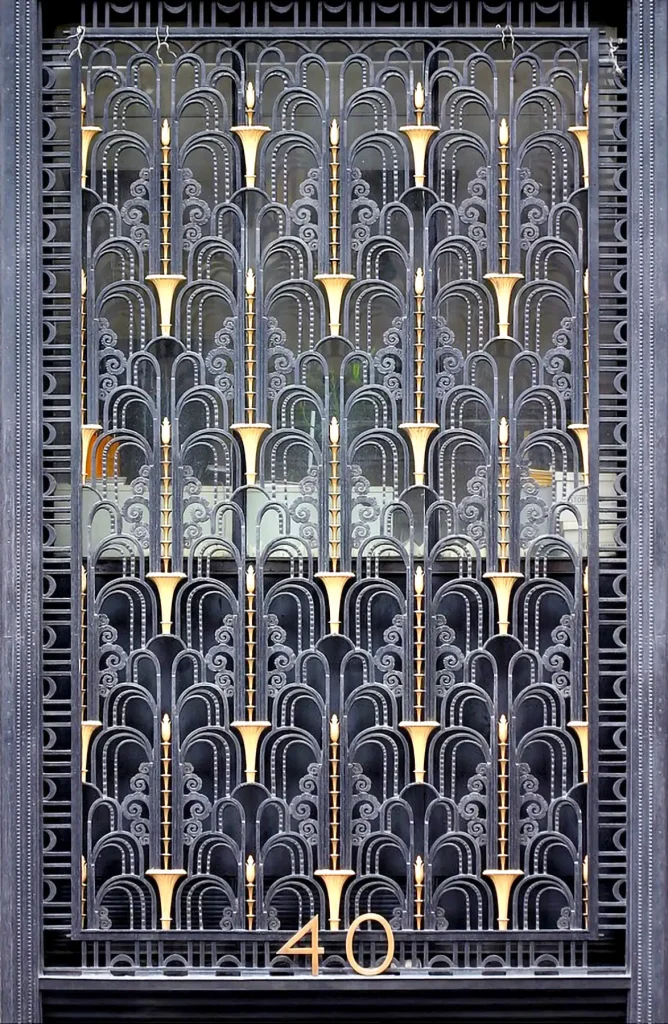
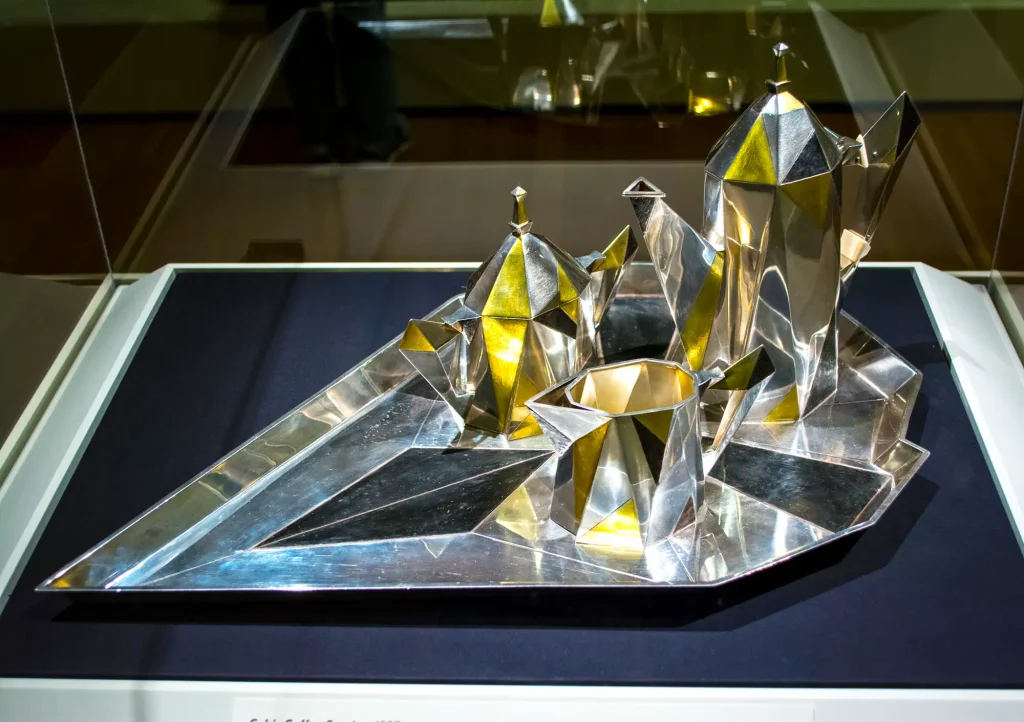
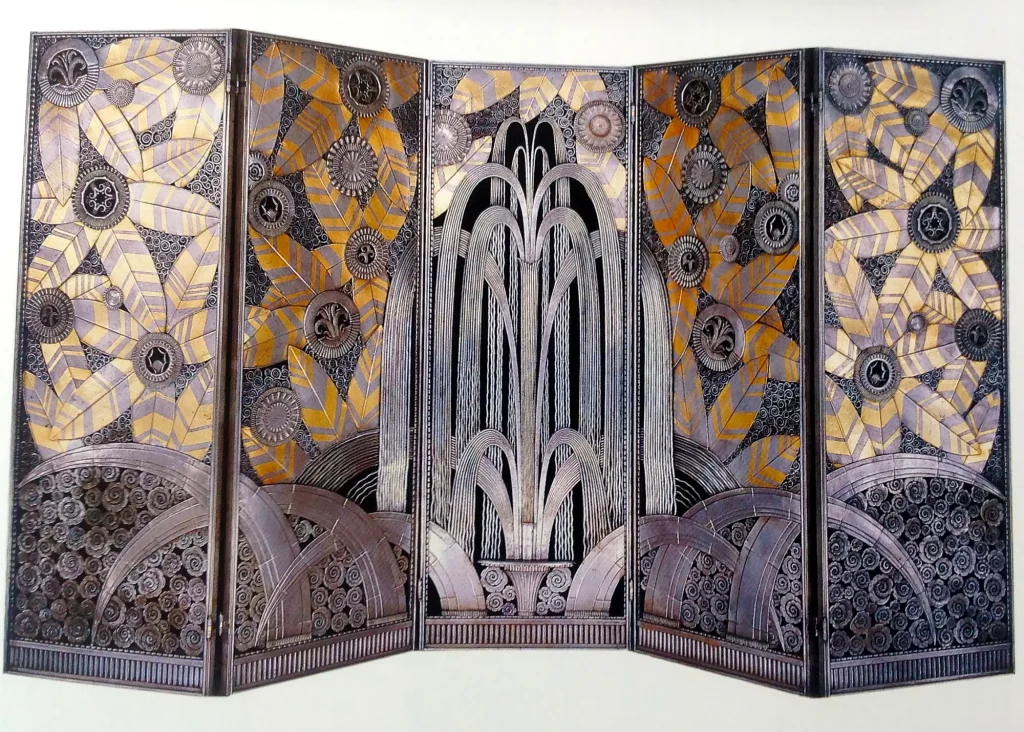
Glass Art and Metal Art
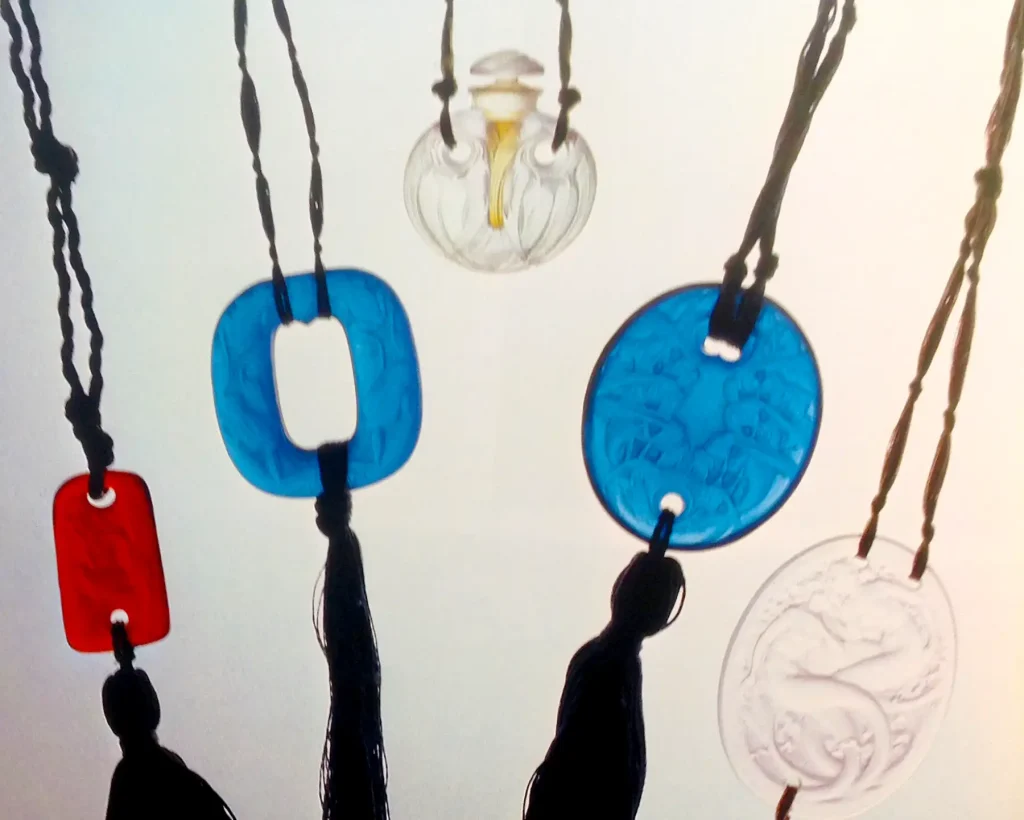
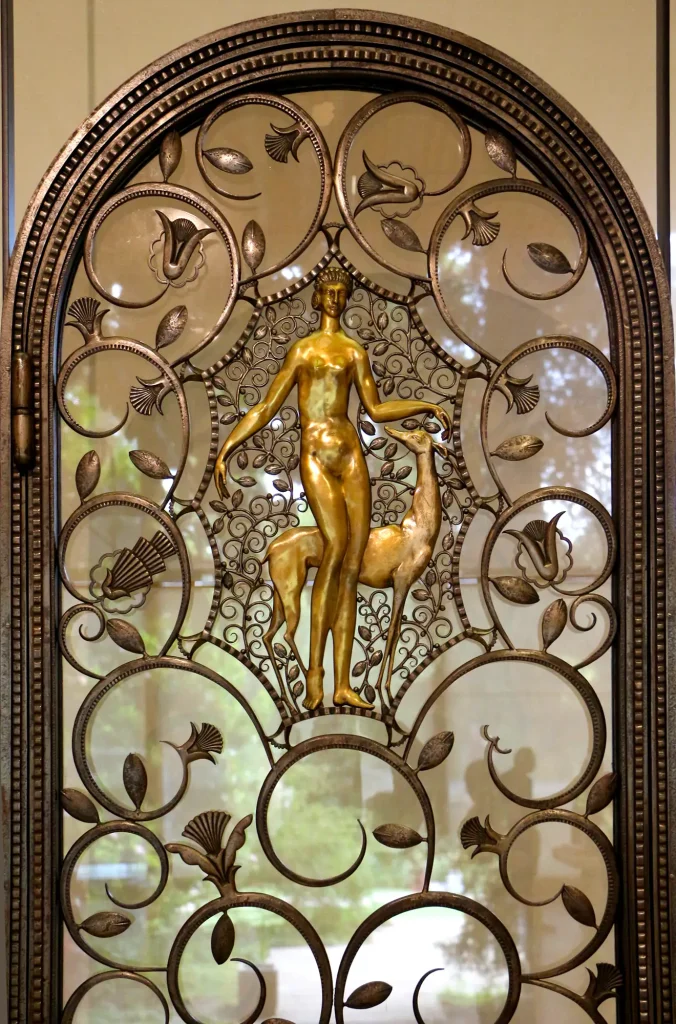
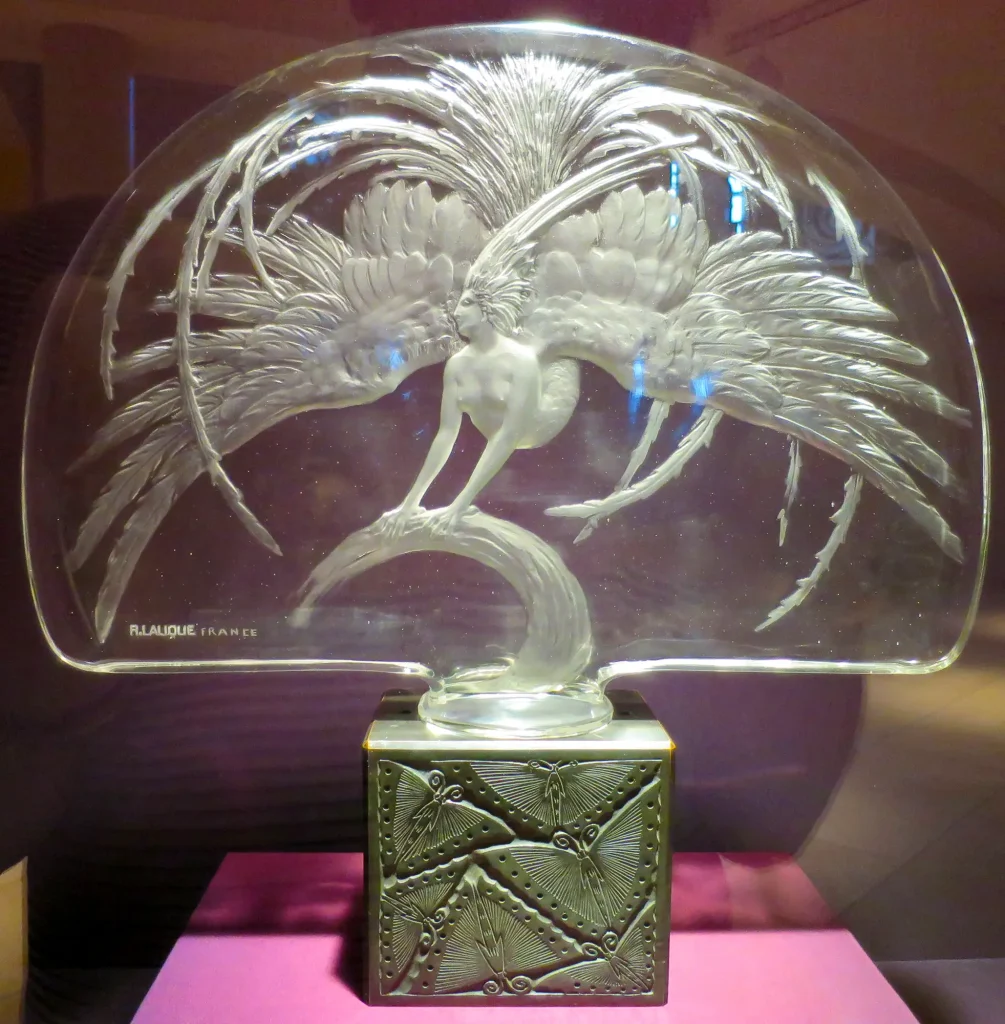
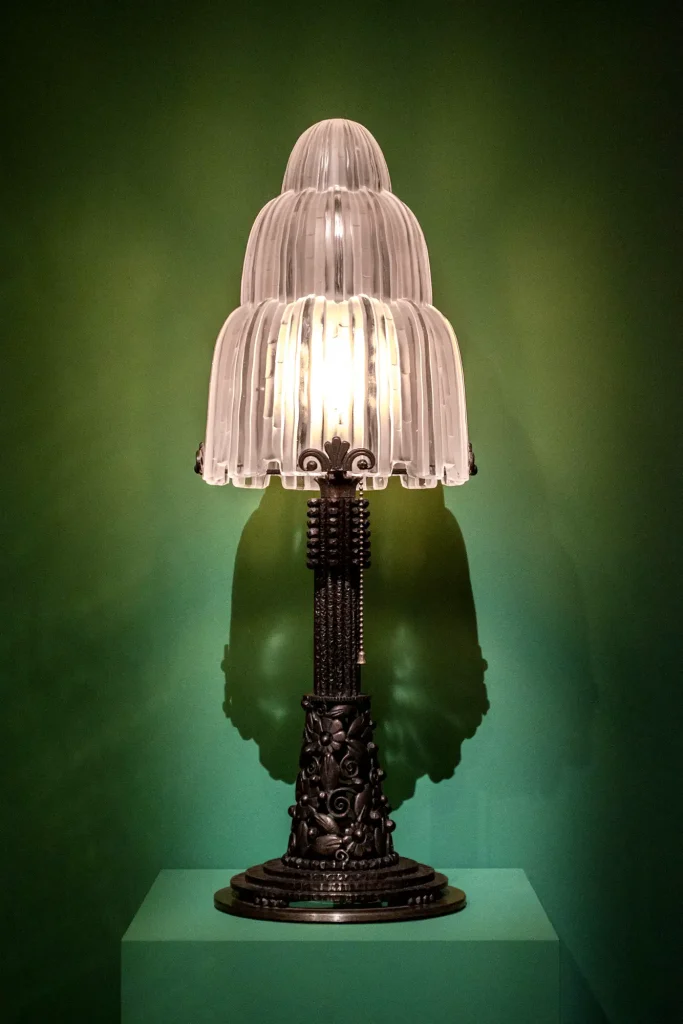
Moving from intricate jewelry designs, glass art, and metal art in the Art Deco era brought about a new level of craftsmanship. Artists used solid forms and bold shapes to create vases, sculptures, and decorative pieces.
These works often featured straight lines and sharp angles, showing a modern aesthetic.
Artisans took inspiration from Cubism and other modern movements to give their creations a futuristic vibe. Vertical lines paired with geometric patterns made each piece feel sophisticated.
Circles, triangles, squares, and rectangles repeated throughout their designs added to this sleek look. Glass sculptures shone with an inner light, while metal artworks reflected their surroundings with glossy finishes.
Each item made during this time still tells a story of luxury and innovation.

Animation
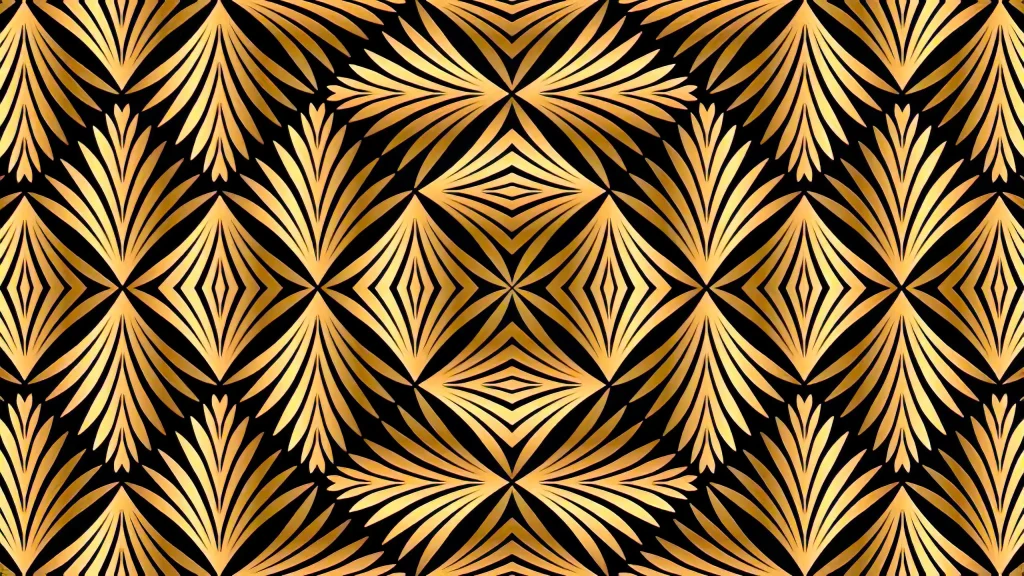
Like the shimmering surfaces of glass and metal art, artists used repeating patterns of geometric shapes and bold lines to create a sense of movement.
These designs surged with energy, mirroring the era’s fascination with speed and progress. The animated feel was no accident; it reflected a deep interest in the future and modernity that Art Deco is known for.
Repetitive forms danced across surfaces, making static images appear to move. This dynamic quality came from influences such as Cubism and the Vienna Secession. To envision this style in motion is to see rhythm captured visually—a hallmark of authentic Art Deco animation.


Art Deco Architecture Around the World
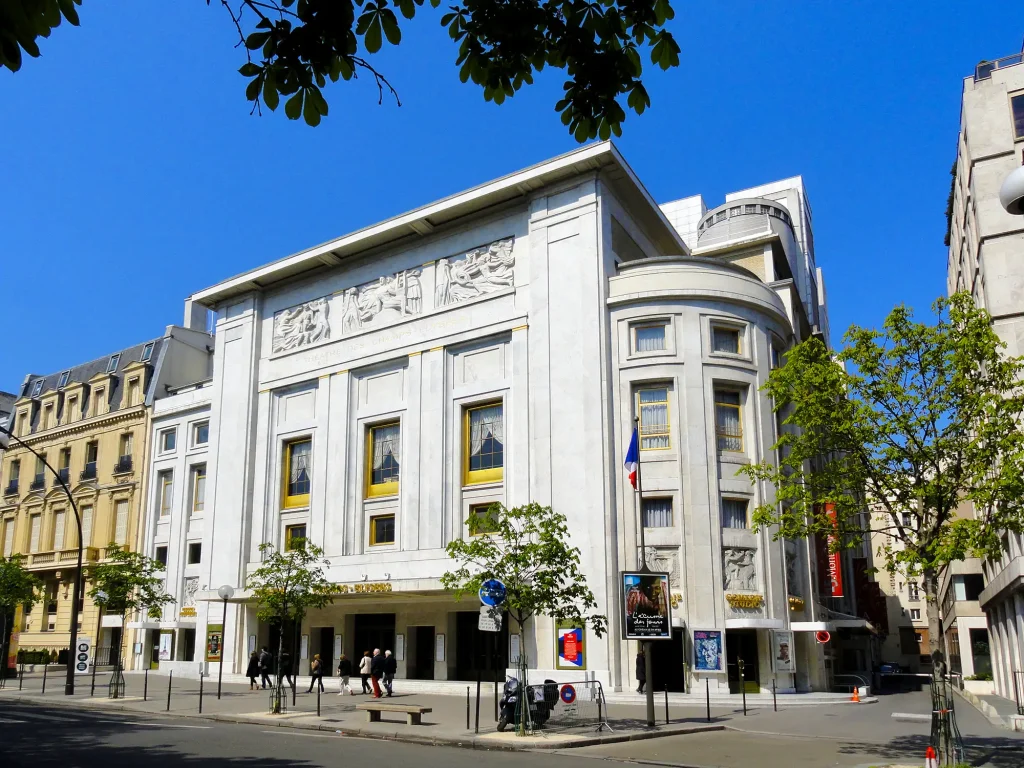
As the Art Deco style swept across continents, it left an indelible mark on cityscapes worldwide, from the towering spires of New York’s Chrysler Building and the allegorical bas-reliefs of the Théâtre des Champs-Élysées to the sun-kissed facades in Miami Beach, each region adapted this ornamental aesthetic with its local flair.
This global footprint showcases Art Deco’s versatility and highlights the universal appeal of its symmetry and sophistication—hallmarks that continue to captivate architecture admirers today.
Africa
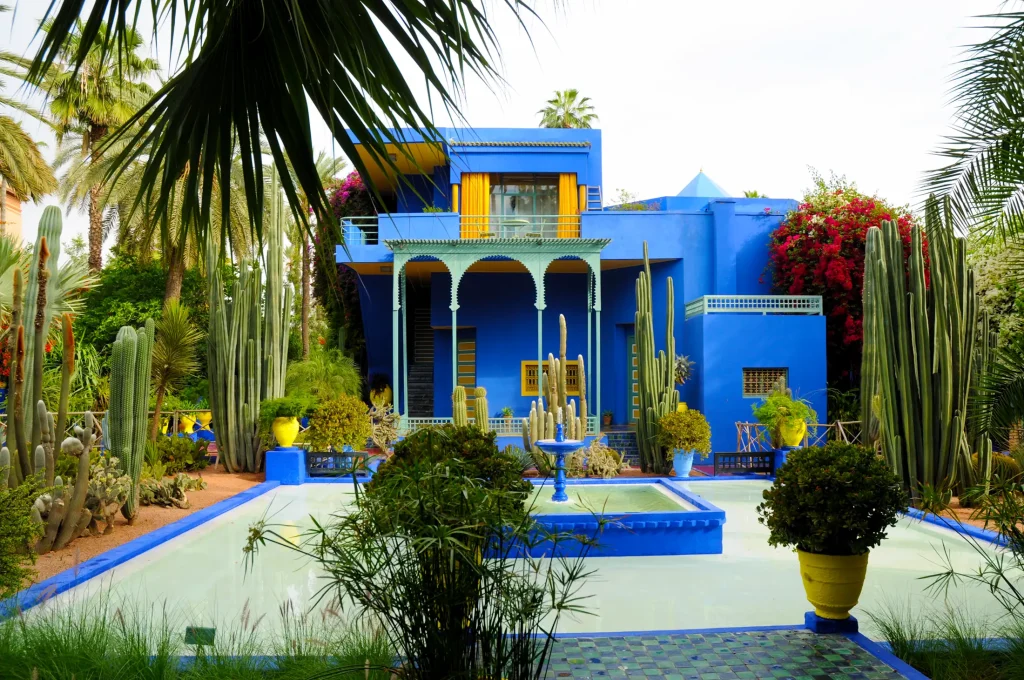
Bukavu, located in Central Africa, is a treasure trove of Art Deco architecture. This city is often called the Art Deco capital because it has over 100 buildings that show off this style.
Each structure stands out with bold geometric lines and patterns like chevrons. These designs reflect a time when new ideas and luxury merged in exciting ways.
Art lovers will find inspiration walking down Bukavu’s streets, where history meets modernity through these iconic buildings. The beauty of African Art Deco points to how international this movement was, reaching far beyond its European origins to leave a mark across continents.


Asia
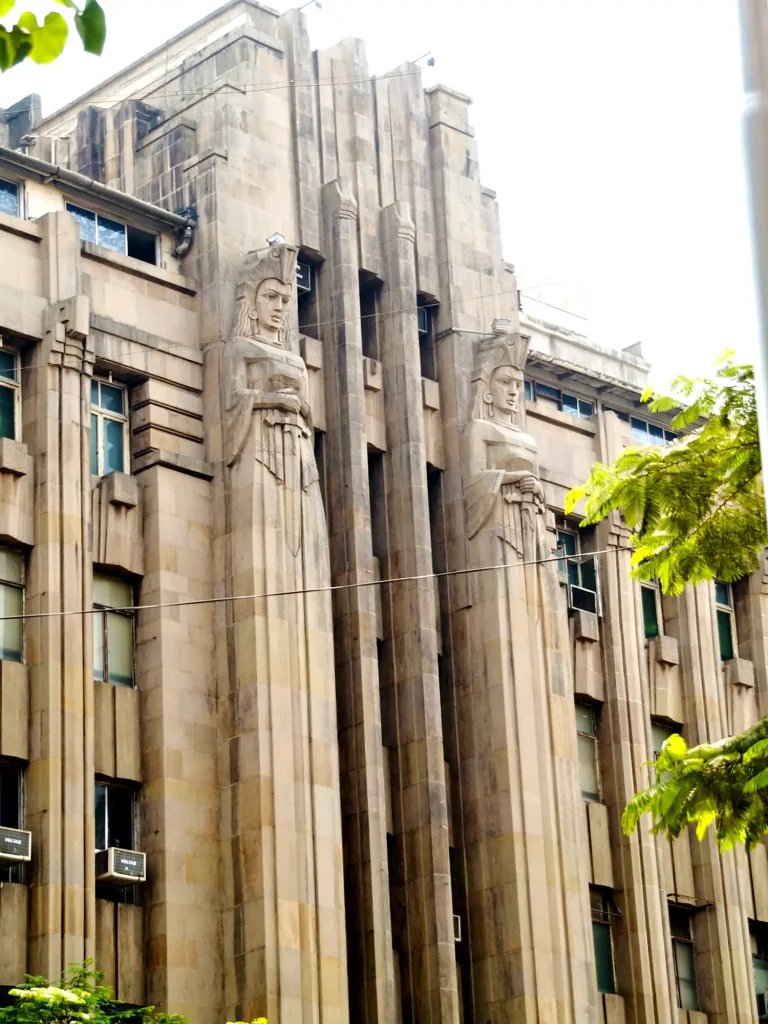
Art Deco architecture in Asia stands out from other buildings with its bold, geometric shapes. Skyscrapers and buildings show off clean lines that draw the eye upward. They mix circles, squares, and other forms to create a sense of the future.
Buildings like the Central Market in Phnom Penh, Cathay Theatre in Shanghai, and Raj Mandir Cinema in Jaipur are prime examples of Asian Art Deco.
Colors, pop, and luxury shine through in Asian Art Deco fashion design. They blend traditional techniques with jazzy Art Deco patterns, shiny fabrics, and sharp angles, making their clothes elegant and modern.


Australia and New Zealand
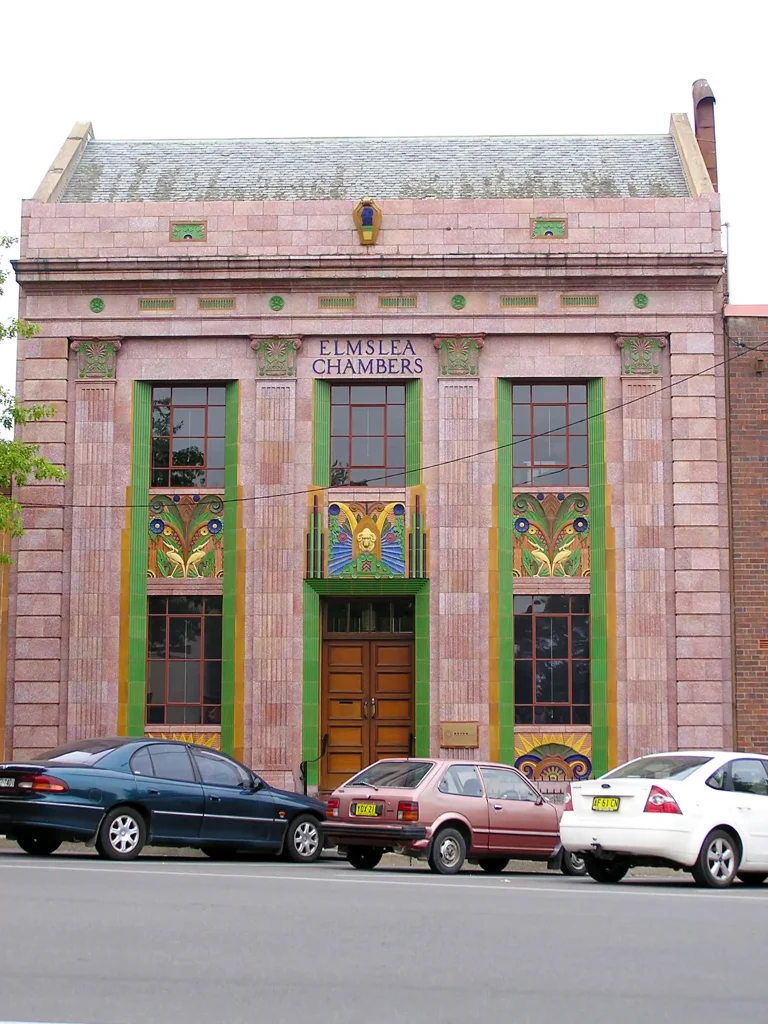
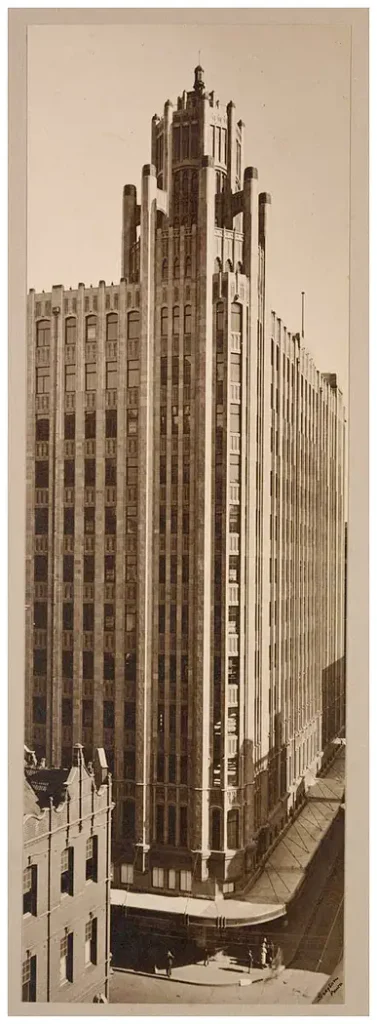
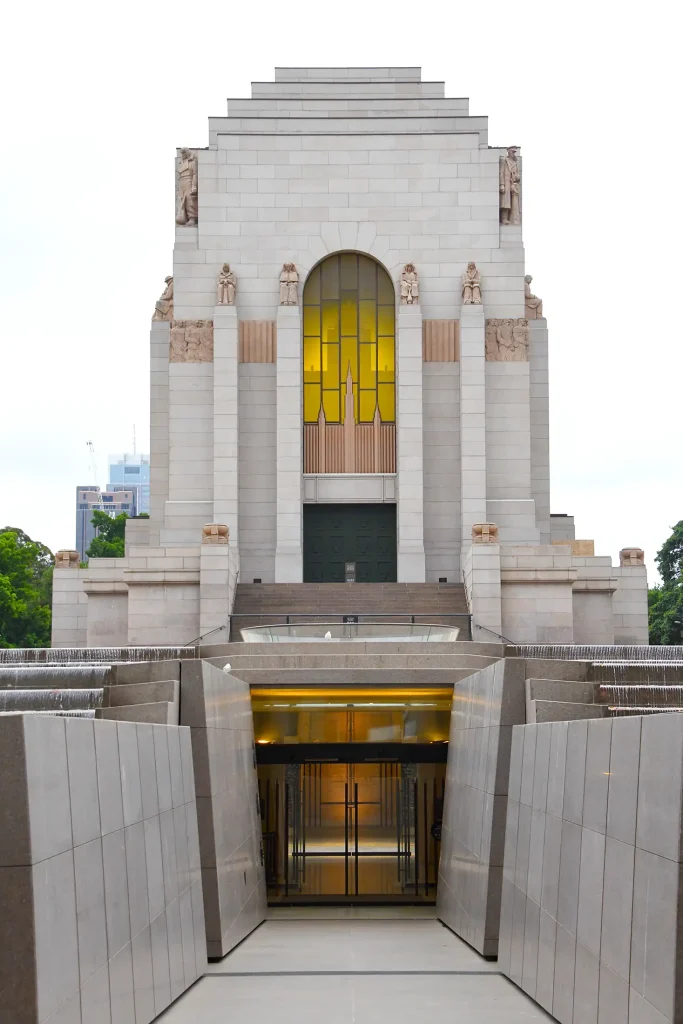
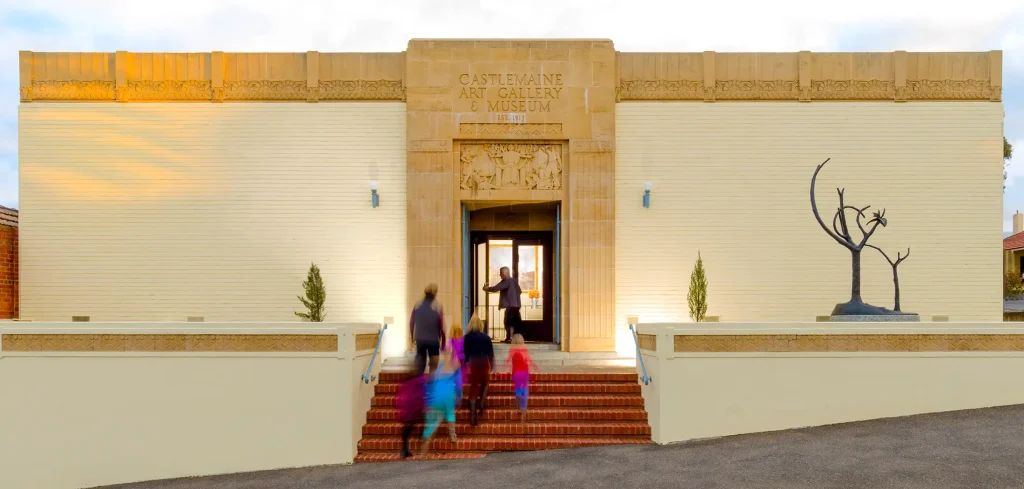
Australian cities and small towns bear the mark of Art Deco’s influence. From Sydney’s grand cinemas to Melbourne’s streamlined offices, sharp lines and geometric shapes speak of a time when modern design swept across the nation.
Travel west, and even in remote areas, you’ll find echoes of this style adorning buildings, a testament to its widespread appeal.
Across the Tasman Sea, New Zealand boasts over two centuries of residential architecture infused with Art Deco charm. Houses reflect an era blending innovation with sophistication; these homes stand as a reminder of how deeply the movement touched corners of everyday life.

North America
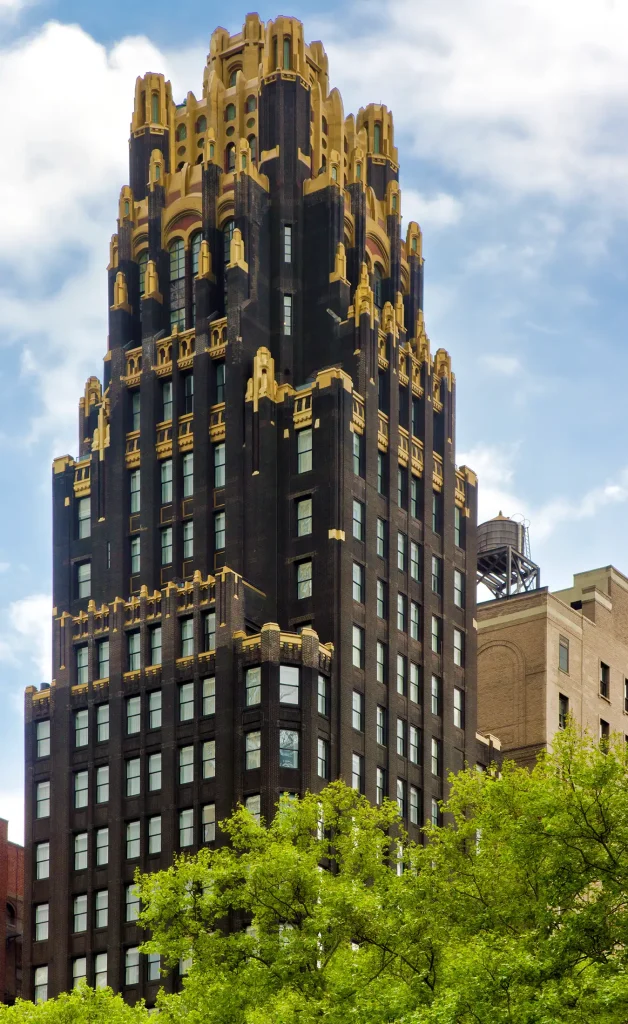
Art Deco buildings in North America stand tall with their unique style. They flaunt bold geometric shapes and zigzag patterns across New York, Miami, and Los Angeles. These towering structures reflect an era of glamour and modernity.
Skyscrapers like the Chrysler Building shine with Art Deco glory.
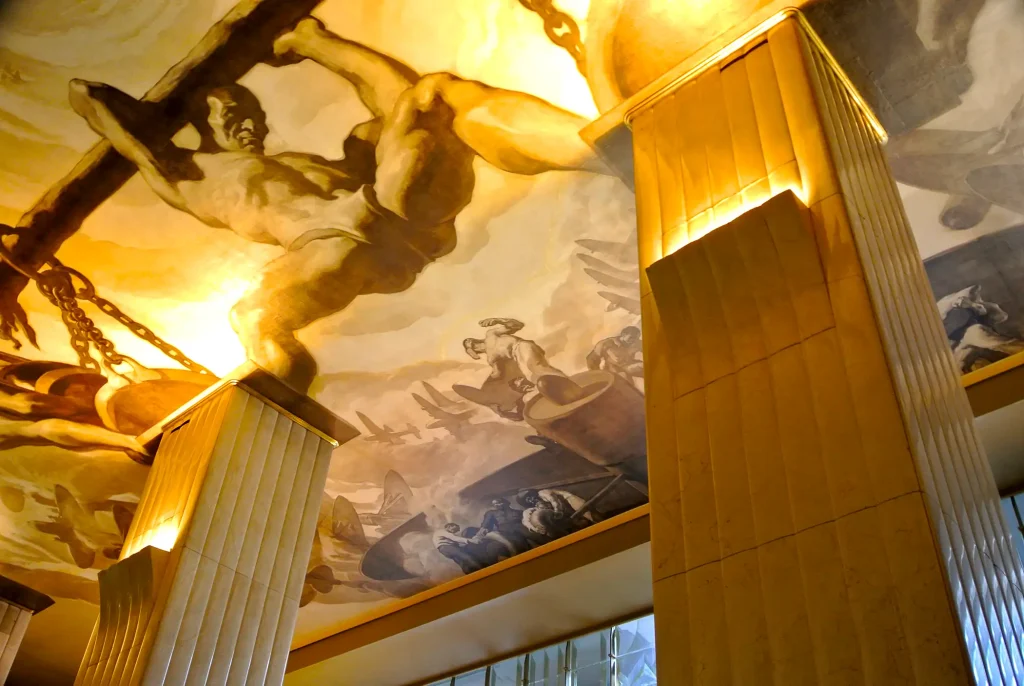
The murals inside these buildings are just as impressive. Each one tells a story of the place or the people who use the space. Artists painted scenes that matched the building’s purpose, from bustling city life to tranquil landscapes.
These artworks make American Art Deco architecture big, bold, and deeply meaningful.

Central America and the Caribbean
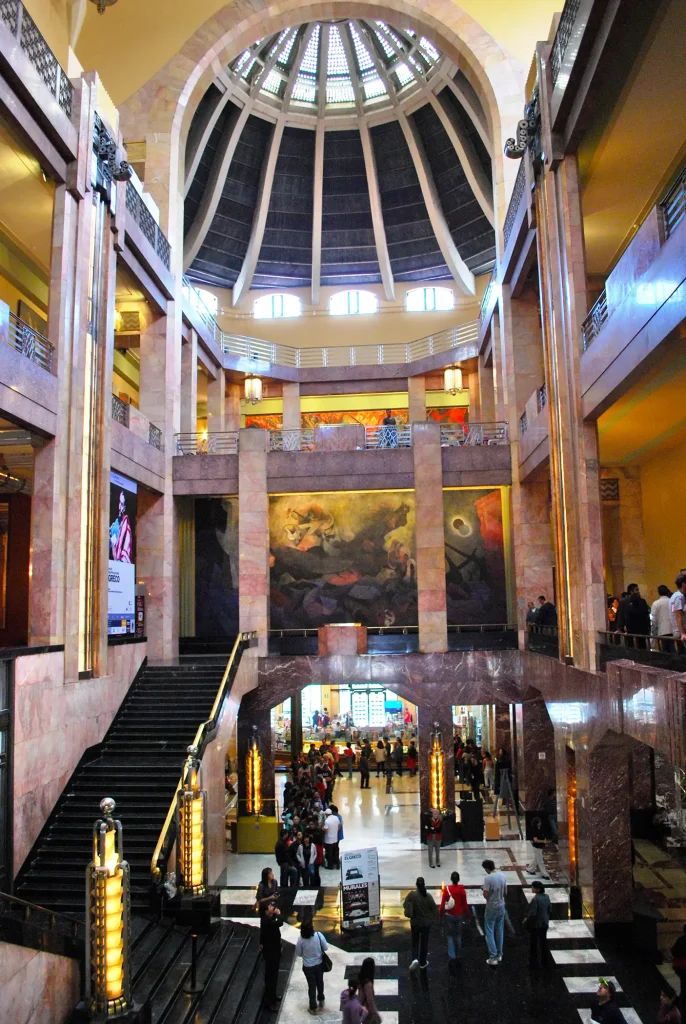
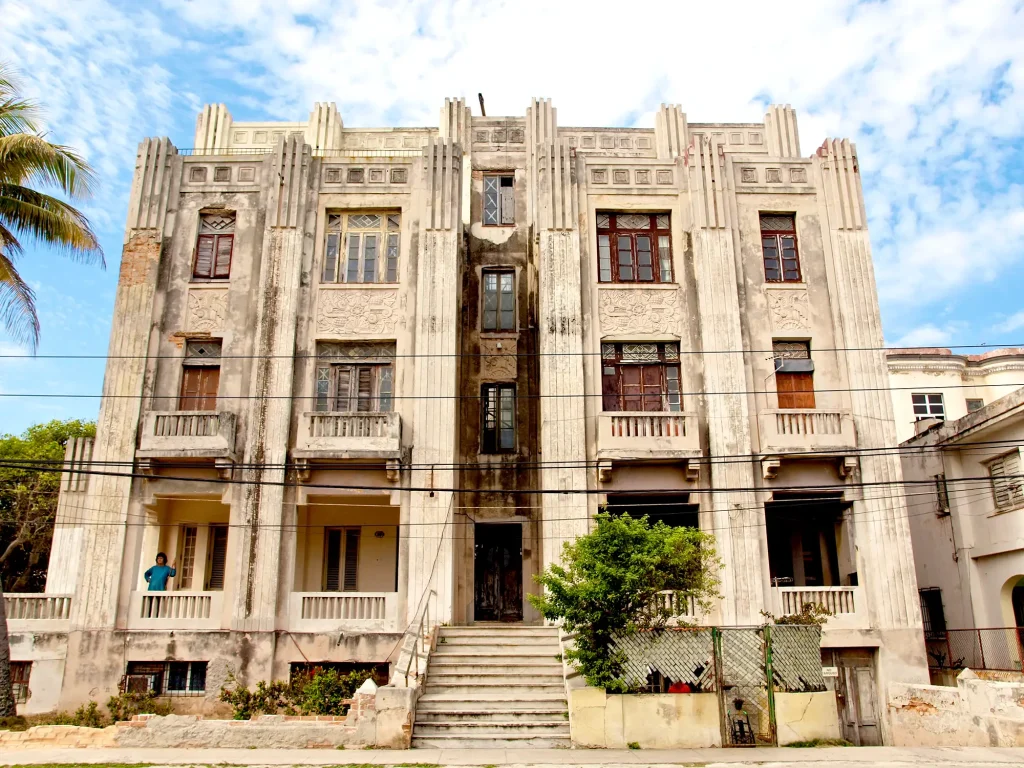
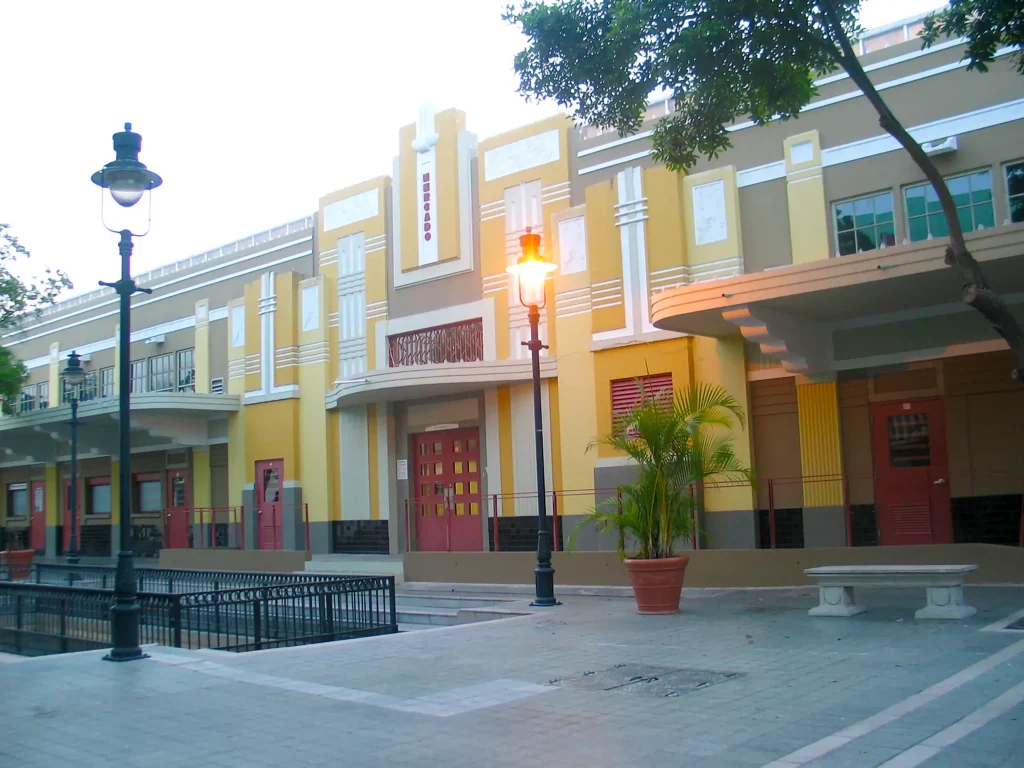
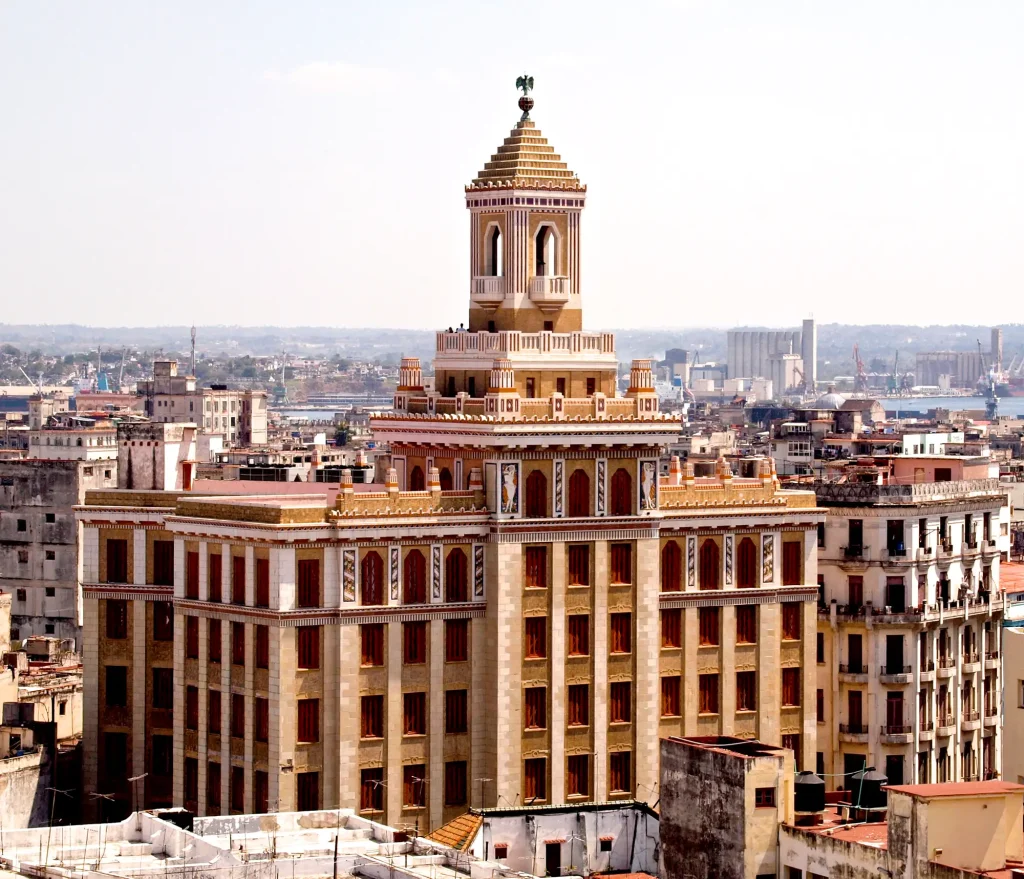
Crossing over from the towering skyscrapers of North America, Art Deco’s reach extends to the vibrant and culturally rich regions of Central America and the Caribbean. Cuba is a notable example, with its Havana buildings echoing Art Deco motifs.
These structures show ziggurat shapes, bold facade lines, and tropical pastel colors that capture the region’s spirit.
Central American countries also have traditional stone sculptures that boast lifelike human figures. This art form has evolved significantly since ancient times but still holds a place in local tastes.
Meanwhile, the Caribbean islands blend their colonial history with modern flair through Art Deco design – creating a unique visual language that celebrates both luxury and innovation in architecture.
Europe
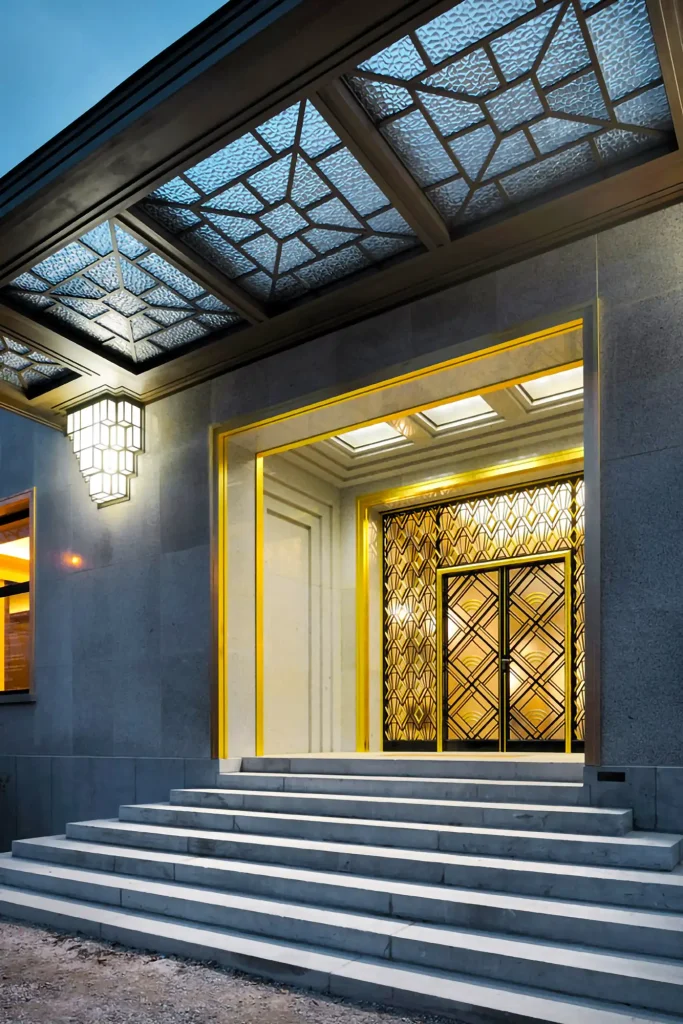
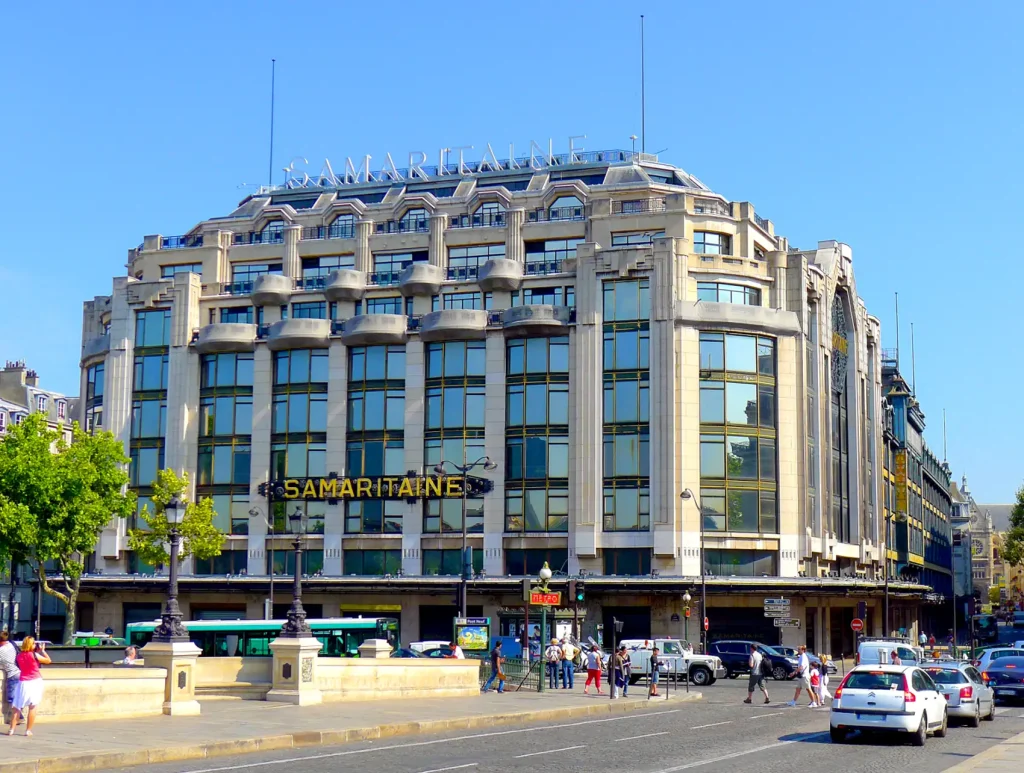
Europe’s cities are like open-air museums of Art Deco. Paris is a treasure chest, blooming with works from the “Exposition Internationale des Arts décoratifs et Industriels Modernes” of 1925.
This event put Art Deco on the map. Parisians walked through doors crafted by masters like Henri Sauvage and sipped coffee in cafes designed by Emile-Jacques Ruhlmann.
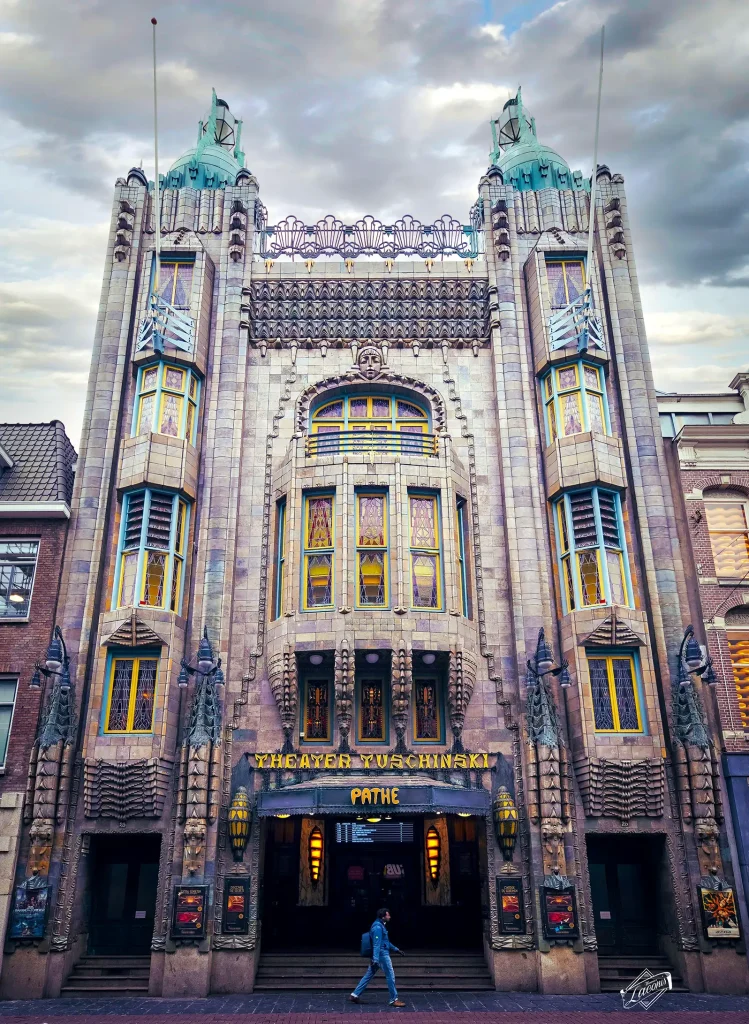
In other parts of Europe, this style showed its face, too. London has its share of Art Deco gems, while Barcelona offers a twist with its unique blend of local artistry and deco design.
Beautiful jewelry pieces and fashion creations were born here, inspiring European designers even today. Each city tells part of the grand story of European Art Deco, forever shaping our sense of elegance and modernity.

South America
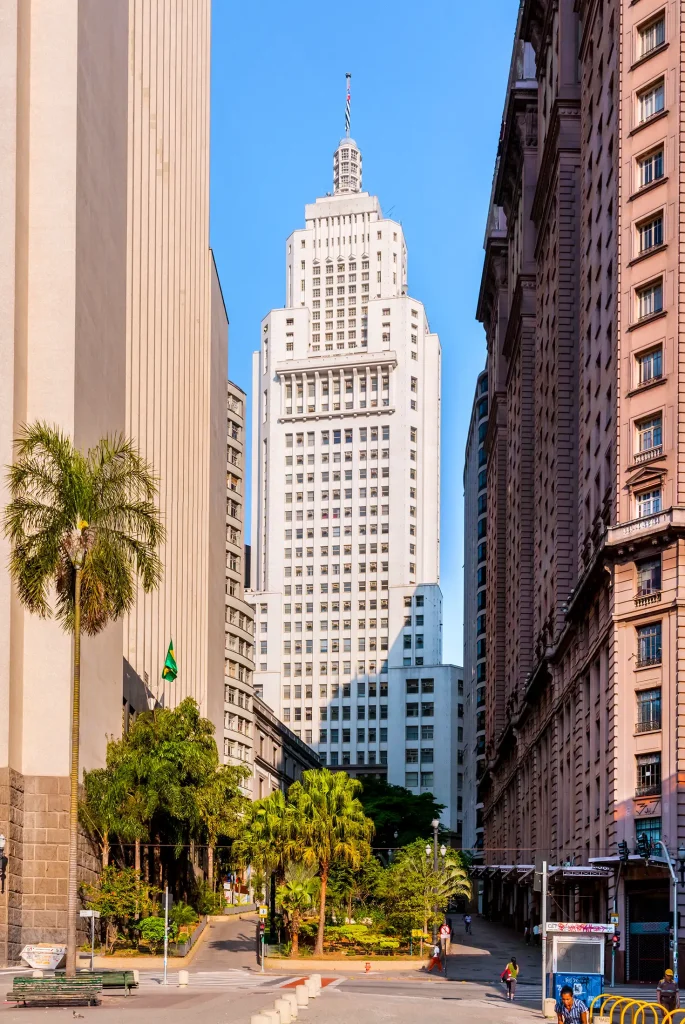
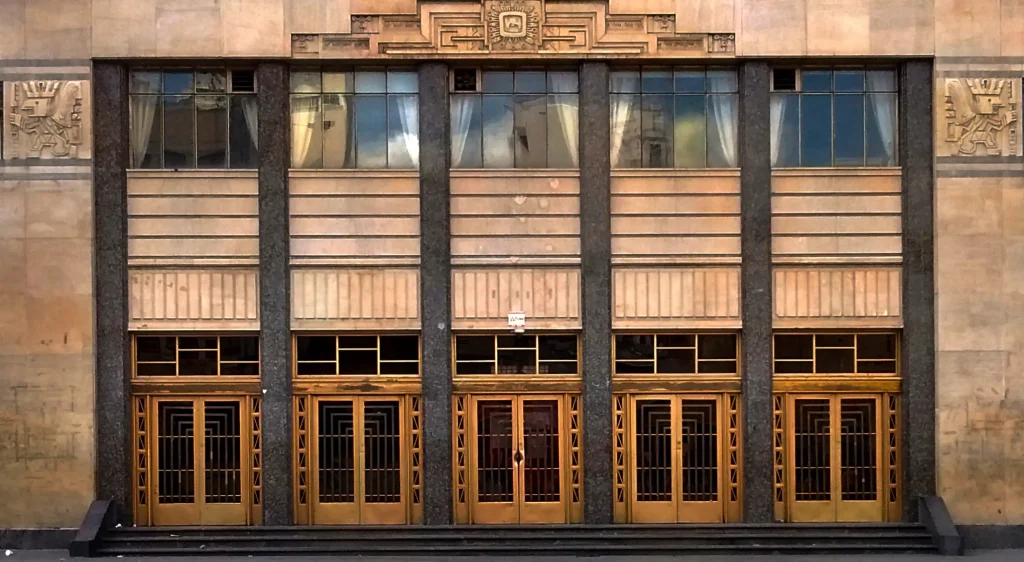
Art Deco architecture found a vibrant home in South America. Cities across the continent adopted the style’s love for modernity, showcasing sharp geometric patterns and streamlined forms.
Brazil became a hub for this architectural revolution, intertwining Art Deco with Brazilian modernism to create buildings that stood out sharply against the blue sky and traditional styles of the past.
In places like Rio de Janeiro, sleek designs rose as monuments to progress, echoing the dynamic rhythms of South American culture.

Art Deco After the Great Depression: The Rise of Streamline Moderne
The Great Depression changed the way people saw art and design. Streamline Moderne emerged as a fresh chapter in the Art Deco story, with smooth curves replacing sharp angles. Buildings, trains, and even household items got a futuristic touch.
They mirrored the sleek lines of ocean liners and airplanes. This new style showed hope for speed and progress in tough times.
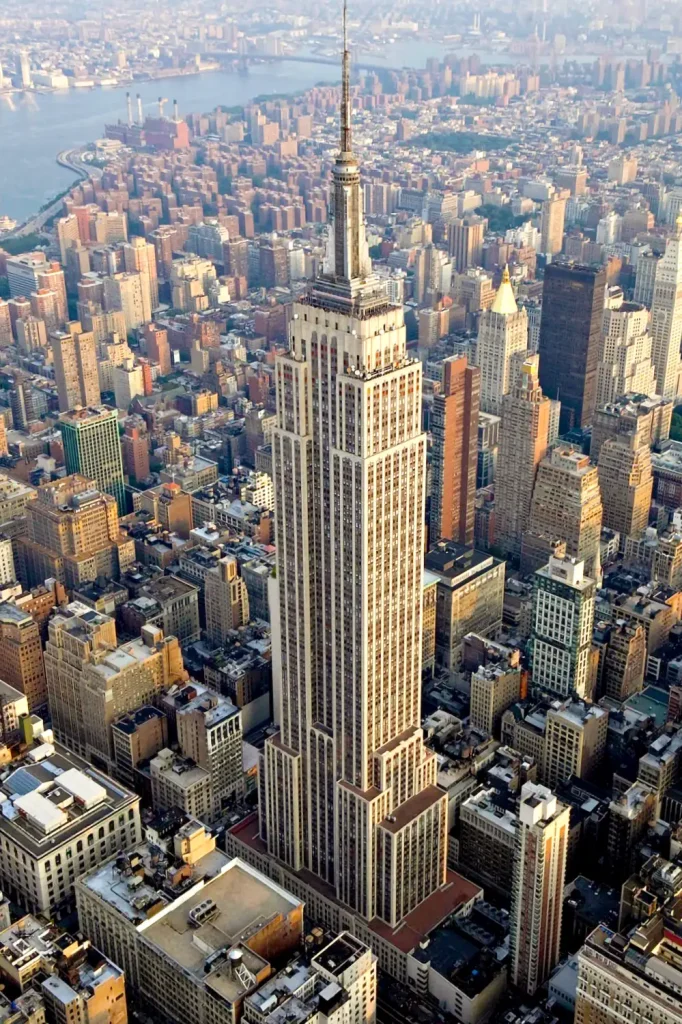
Designers used shiny chrome, stainless steel, and glossy plastic to create a look of efficiency. The Art Moderne homes had rounded corners, horizontal lines, and flat roofs. Famous buildings like the Empire State Building became icons of this movement.
Streamline Moderne brought dreams of a better future into everyday life through its clean shapes and sense of motion.





The Influence of Art Deco on Contemporary Design
The enduring allure of Art Deco continues to shape contemporary design, with its timeless aesthetic influencing everything from sleek wallpapers to avant-garde furniture. Its resonance in modern spaces echoes a celebration of the bold and the beautiful, encapsulating a blend of luxury, symmetry, and forward-thinking creativity that refuses to be confined by the past.
Art Deco Wallpaper and Its Geometric Patterns
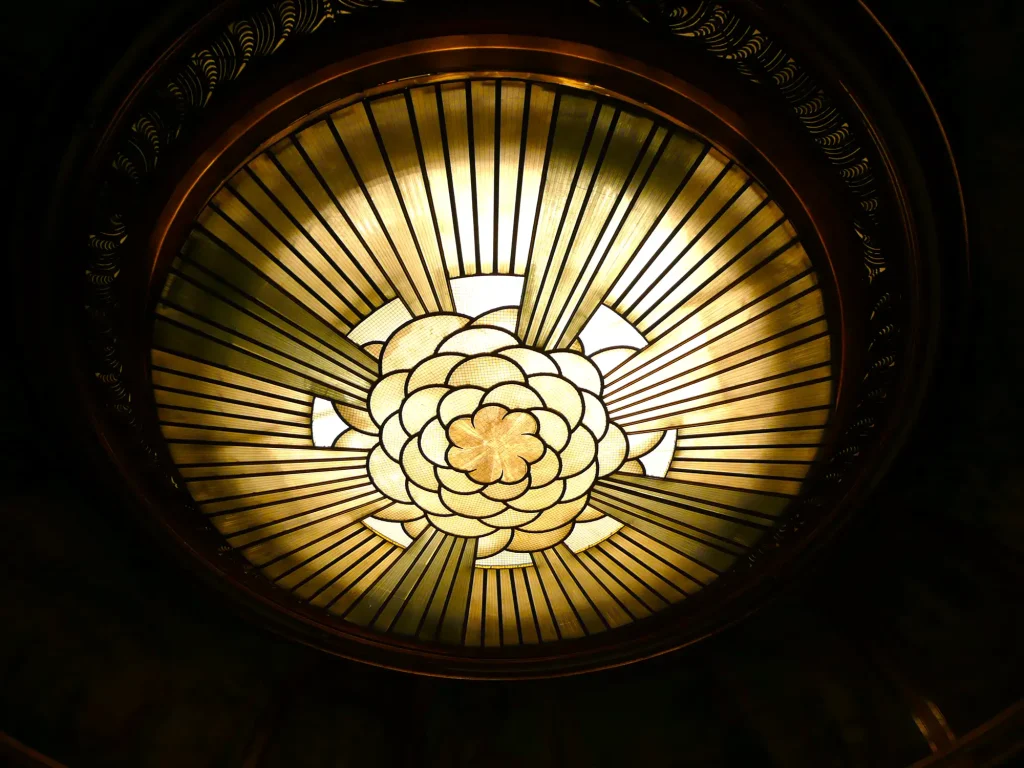
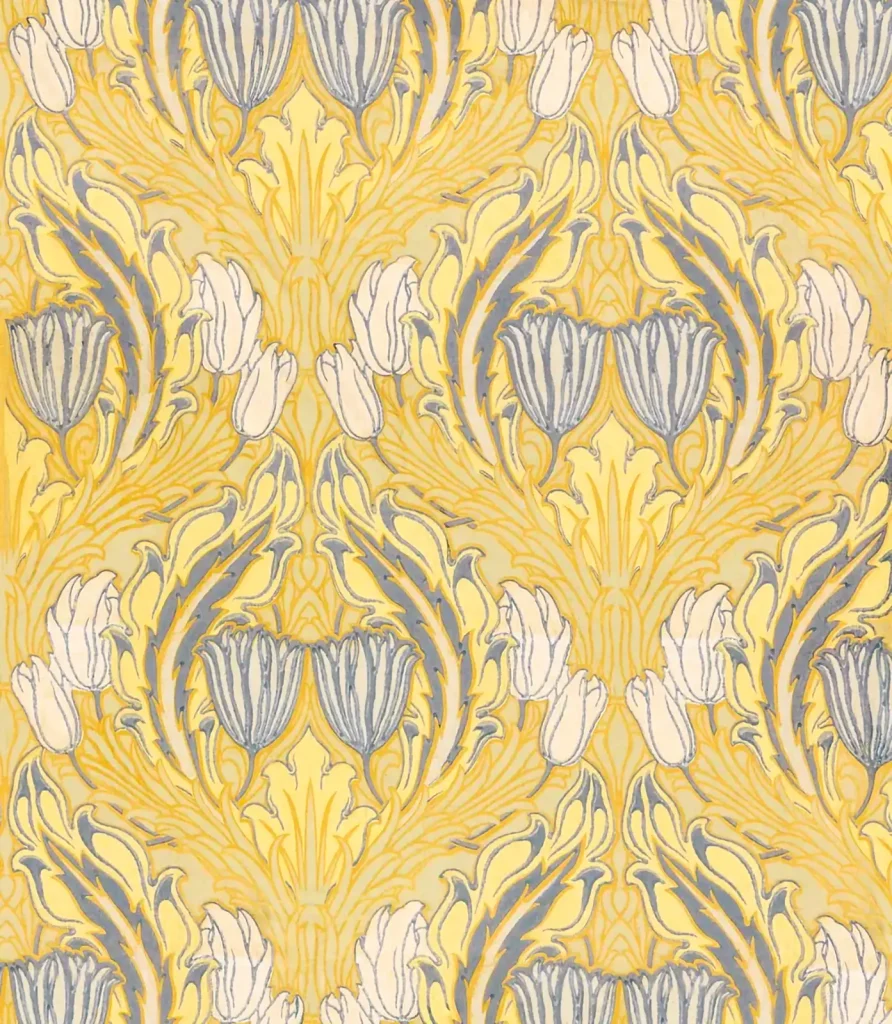
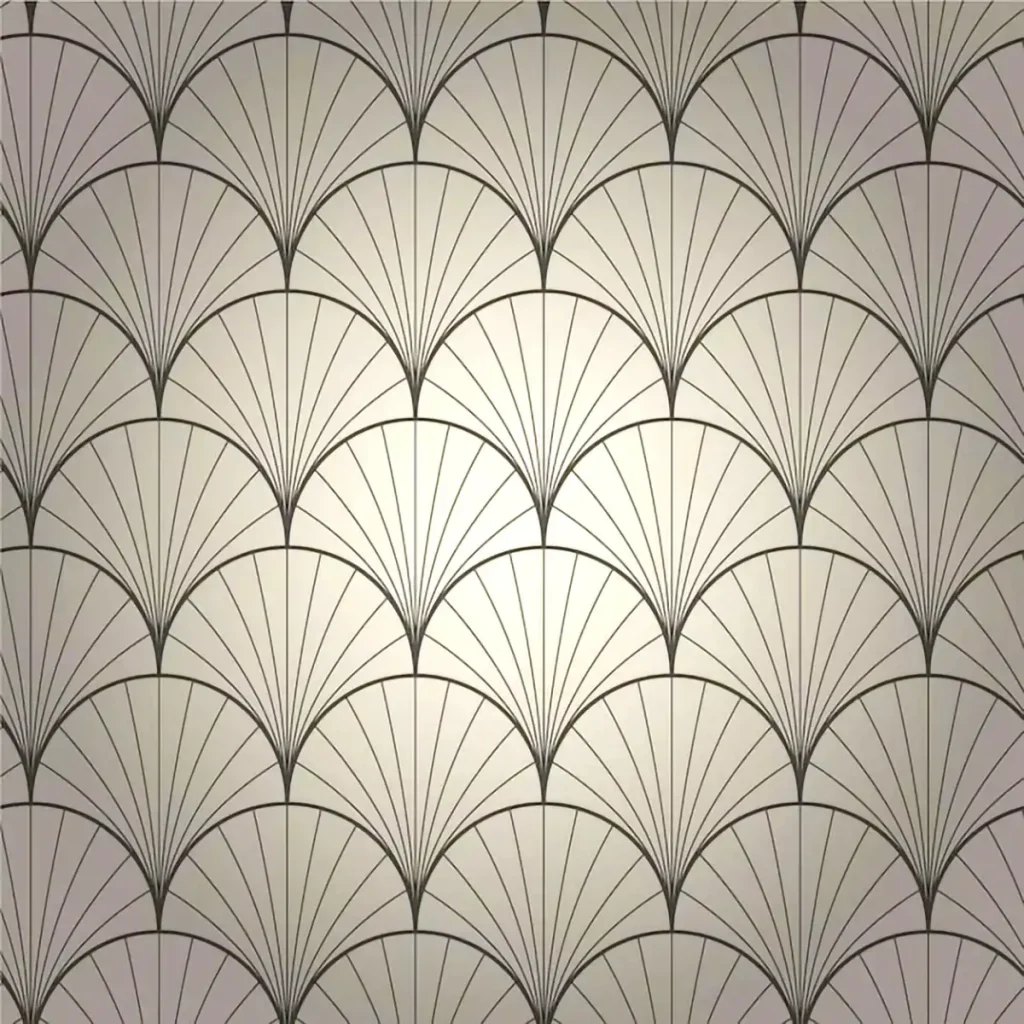
Art Deco wallpaper’s patterns feature sharp lines and shapes like triangles, zigzags, and sunbursts. These designs create a sense of luxury, modernity, and grandeur on any wall they cover.
Patterns often repeat in neat vertical lines or circular forms, capturing that classic Art Deco look.
Decorating with this kind of wallpaper can transform a room into an elegant space from the past. Geometric motifs dance across these wallpapers in rich colors and metallic accents.
They aim to make any interior feel grander and more sophisticated without needing actual jewels or gold. Owners love how these timeless designs blend with contemporary furnishings for a deco interior design that’s both fresh and nostalgic.

The Use of Mirrors, Crystal and Acrylic in Art Deco Design
Mirrors in Art Deco design are not just for checking your reflection. They make spaces look bigger and brighter, too. Designers love using them to add a touch of glamour. Think shiny, sleek surfaces that catch the light and dazzle the eye.
Crystal and acrylic bring their own magic to Art Deco pieces. They sparkle like diamonds, giving off an air of luxury. These materials are tough but look delicate and beautiful.
Together with mirrors, they create a world where every detail shines with elegance.

Art Deco Furniture and Its Preference for Rare Woods
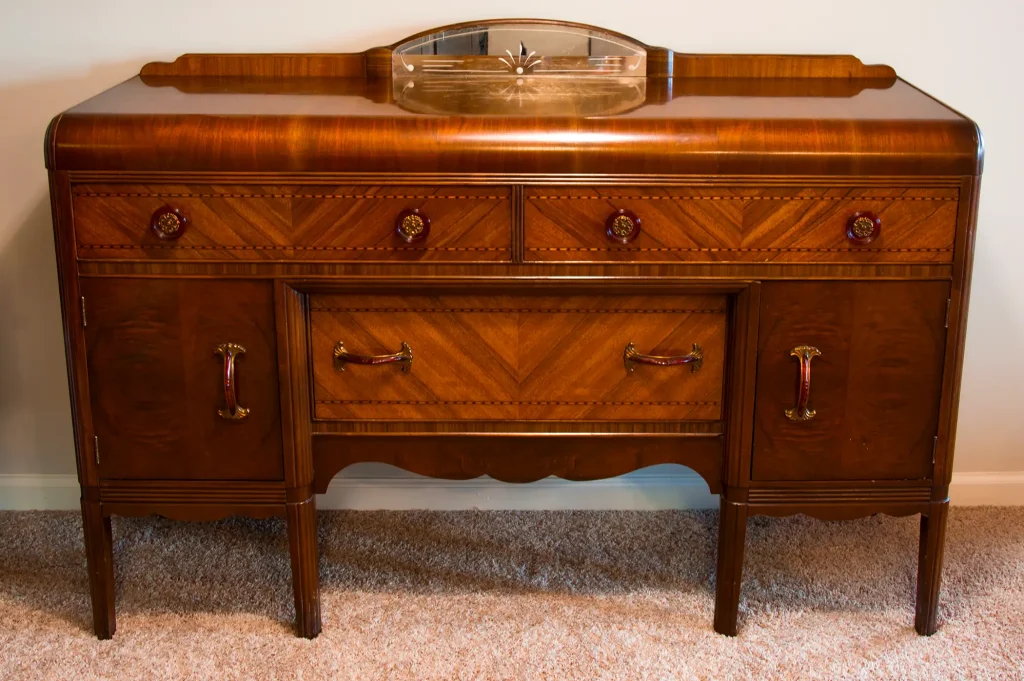
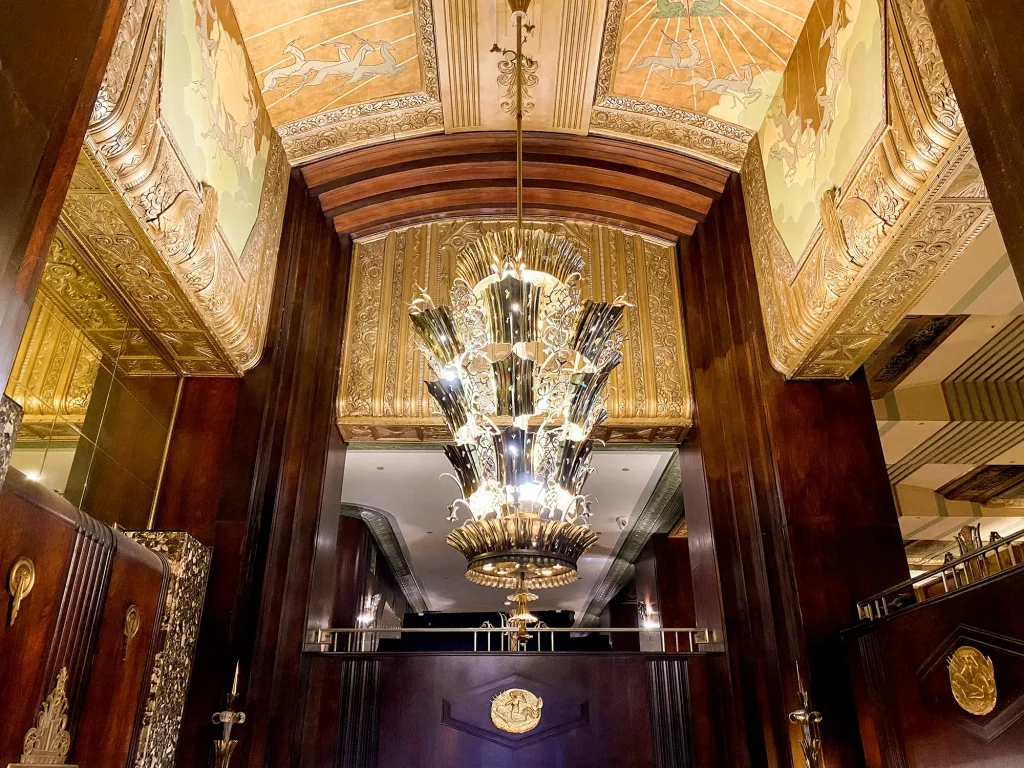
Art Deco furniture brought luxury to the forefront, with designers choosing woods that were as exquisite as they were scarce. Ebony, walnut, and mahogany graced living rooms and offices in sleek, polished forms.
These rare materials weren’t just for show; they signified top-tier craftsmanship and attention to detail. Furniture makers sculpted them into streamlined pieces that shone with high-gloss finishes.
Each piece of Art Deco furniture stood out as a symbol of wealth and modern taste.
Artisans took pride in working these rich woods into geometric patterns and smooth curves. This fusion created statement items that still capture our admiration today. The luster of inlaid ivory against dark wood or the shimmer from a lacquered surface are hallmarks of an era when rarity defined elegance.
From opulent sideboards to ornate cabinets, each object was a work of art designed not just to fill spaces but also to exhibit mastery over luxurious resources.
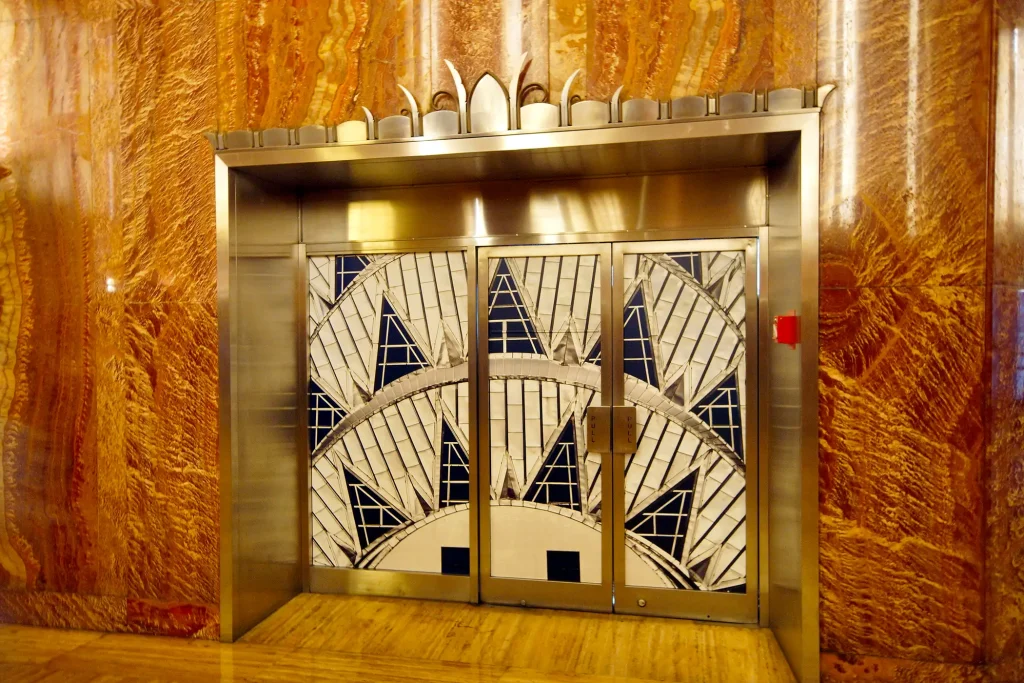
The Experimentation with Shapes and Materials in Art Deco Design
Just as rare woods brought a touch of opulence to Art Deco furniture, the broader movement played with form and substance in daring ways. Designers stepped outside traditional boundaries to explore new materials.
They mixed metals, glass, and even early plastics to create novel textures and effects. The bold use of these materials matched the equally striking geometric shapes popular in the period.
Luxurious items featured precious metals and exotic stones, while mass-produced goods made style affordable through innovative uses of aluminum, stainless steel, and Bakelite. This blend made Art Deco stand out as modernism became fashion.
It was all about sleek lines, mirrored surfaces, and lavish ornamentation that spoke volumes about elegance during the Roaring Twenties.
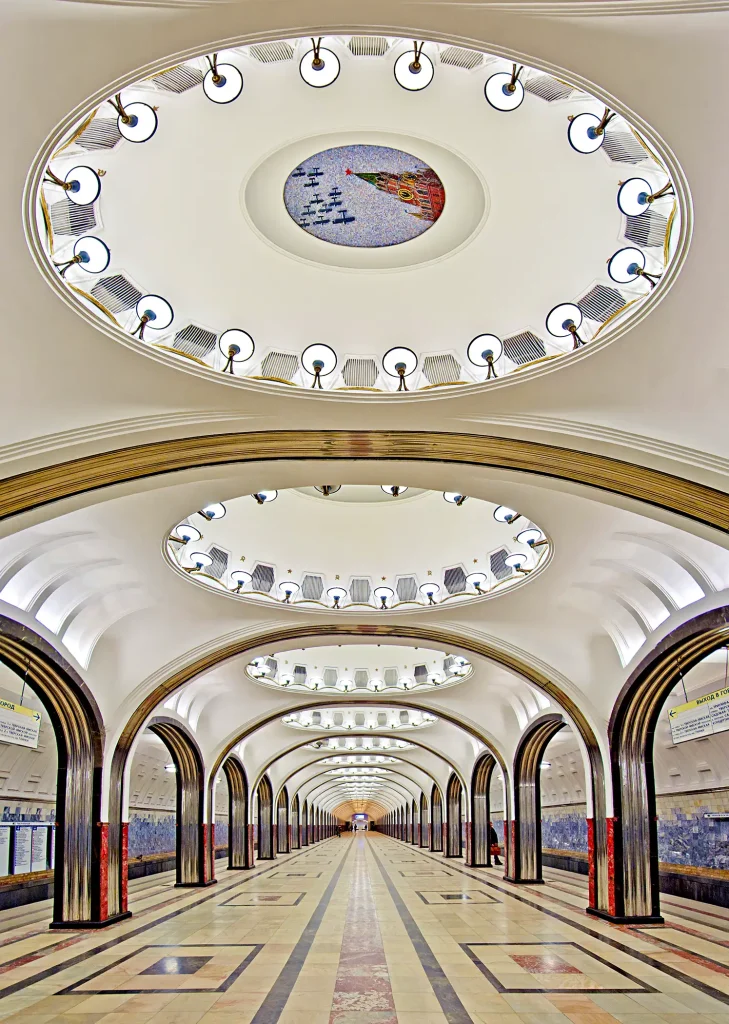
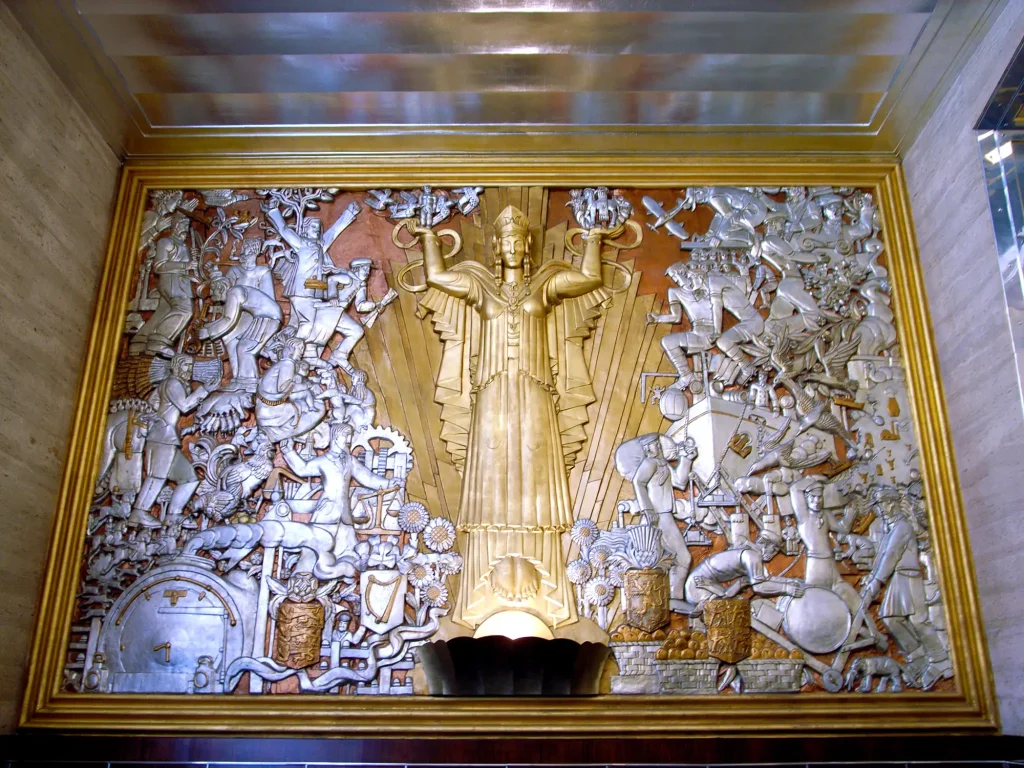
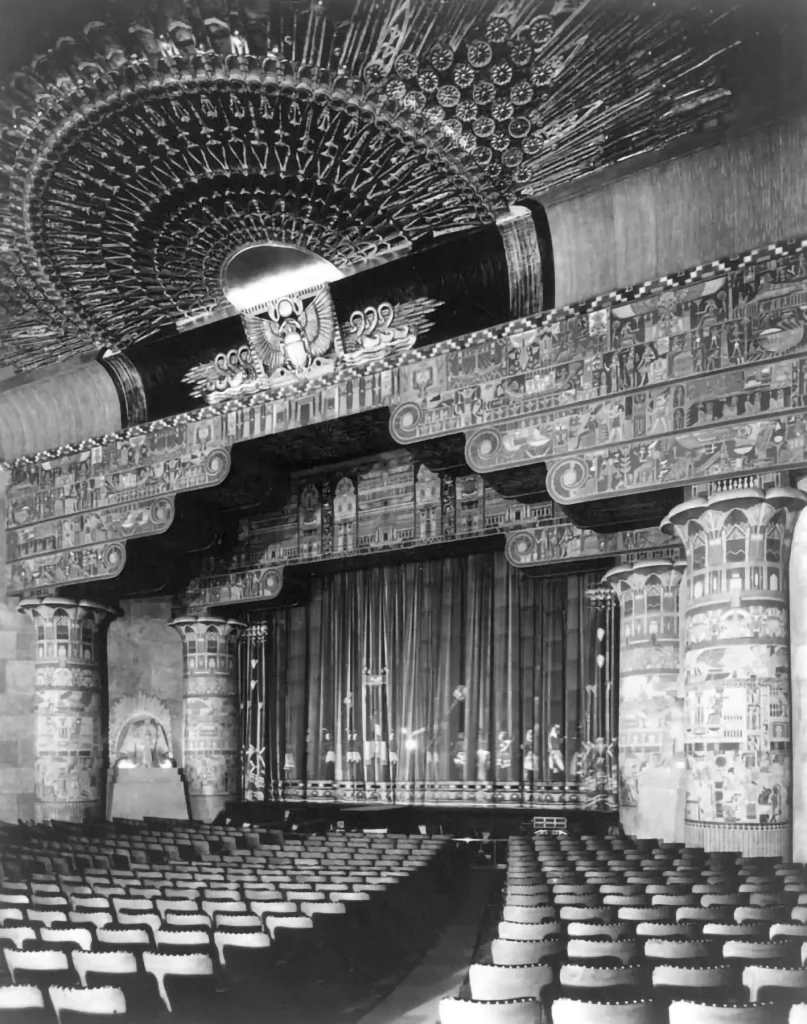
The Preservation and Revival of Art Deco
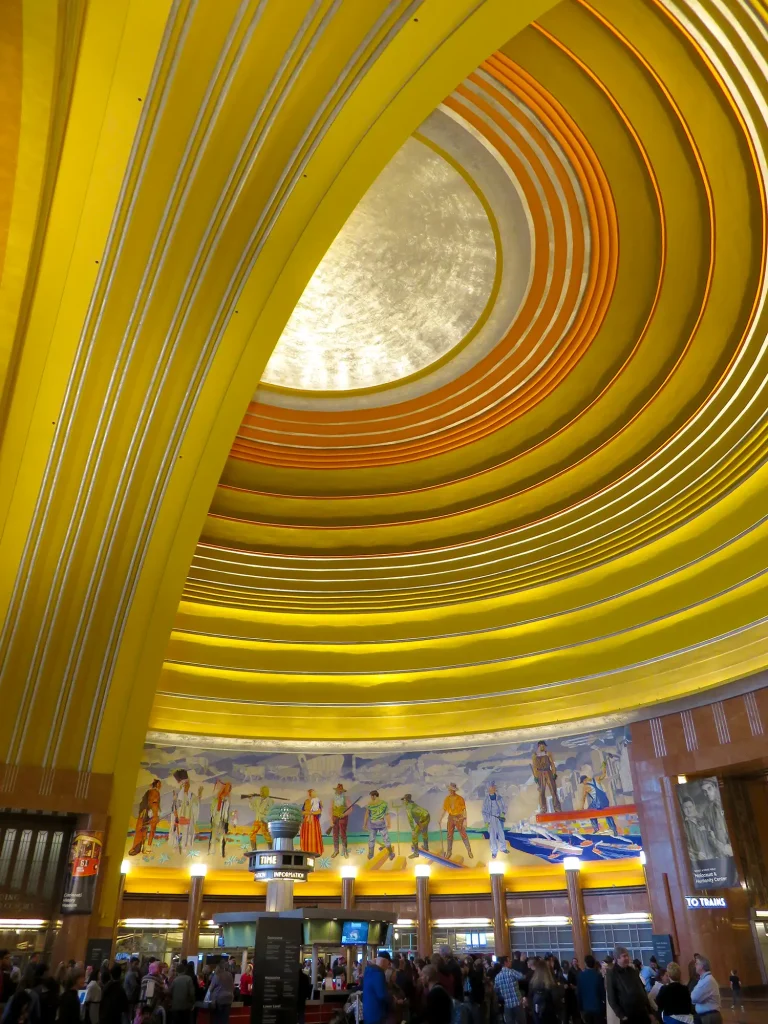
Art Deco returned to the spotlight as people started to appreciate its unique blend of function and style. Places like Miami Beach restored old Art Deco buildings, breathing new life into them.
These vibrant areas now stand out with iconic pastel colors and neon lights.
Designers today mix Art Deco elements in modern work. They draw inspiration from the sleek lines and high-end materials that were once all the rage in the 1920s and ’30s. Furniture designers craft pieces that echo this historic era while adding a fresh twist to contemporary spaces.
The passion for Art Deco shows no sign of fading, with restoration projects and new creations keeping it alive for future generations to enjoy.
Conclusion
Art Deco’s magic lies in its captivating vision of style and progress. This movement transformed everything from skyscrapers to teapots with its signature look. Bold lines and lavish details bring a touch of luxury to everyday life.
Designers today still draw inspiration from Art Deco’s timeless beauty. We hope delving into that era’s spirit will spark your creativity and innovation!

FAQs
1. What makes Art Deco stand out in design?
Art Deco grabs your attention with bold lines and geometric shapes. It mixes modern architecture with fancy details from the art nouveau style, creating a fresh look called art Deco-inspired.
2. Who were some key artists and architects of the Art Deco era?
Big names like Le Corbusier, Hector Guimard, and Auguste Perret reshaped buildings with their modernist touch. Meanwhile, André Mare and Louis Süe crafted interiors that shouted “Art Déco” at events like Salon d’Automne.
3. Can you find examples of Art Deco in paintings?
Definitely! Artists like Fernand Léger mingled cubism into their work to make cubic masterpieces. Joseph Csaky also joined this trend at the Section d’Or exhibit alongside others, showcasing similar styles. Paintings by Tamara de Lempicka are still appreciated today.
4. Were there any major events that showcased Art Deco designs?
Absolutely—the Paris International Exposition lit up the world stage for art moderne in 1925! There, folks saw stunning jewelry, chic fashion by designers like Erté, and even entire areas decked out in late Art Deco glamour.
5. Where can I see famous Art Deco buildings today?
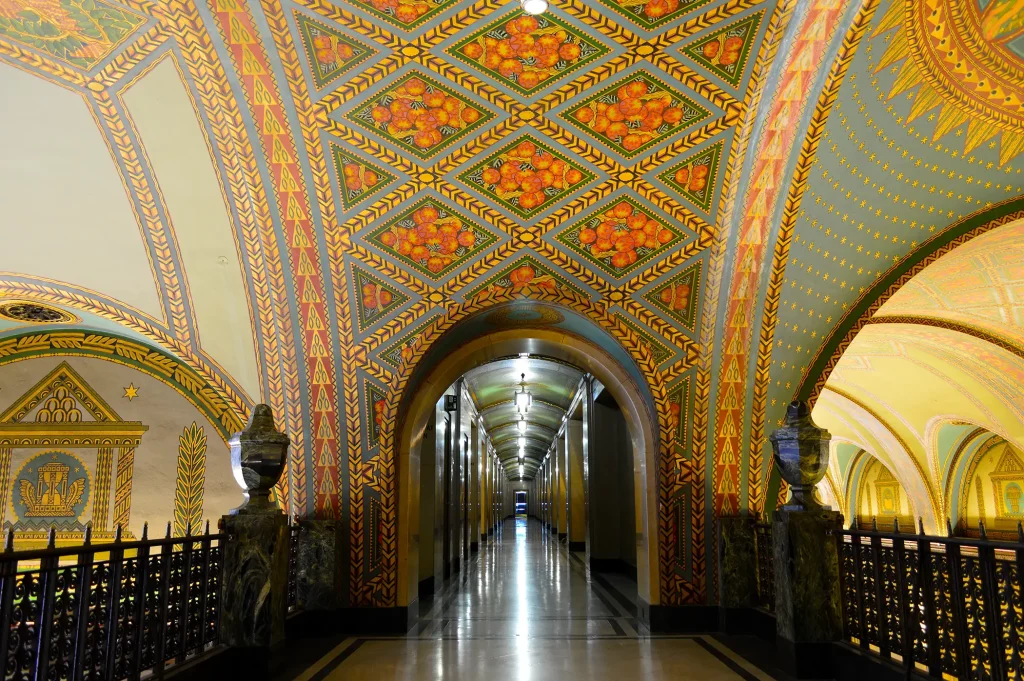
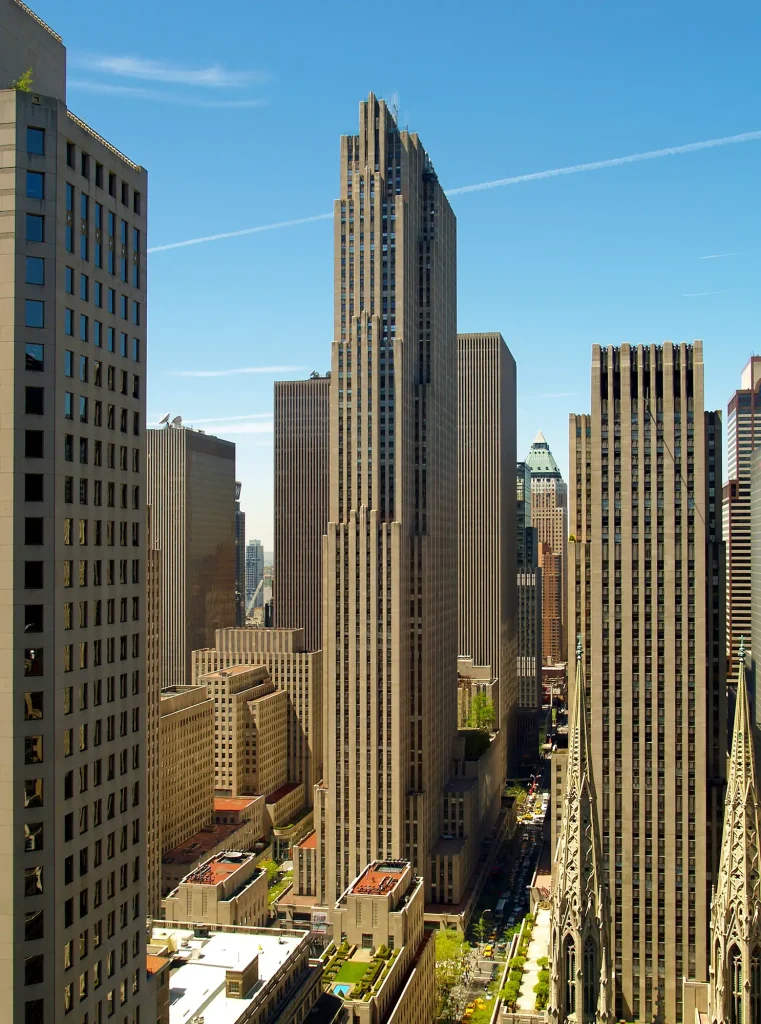
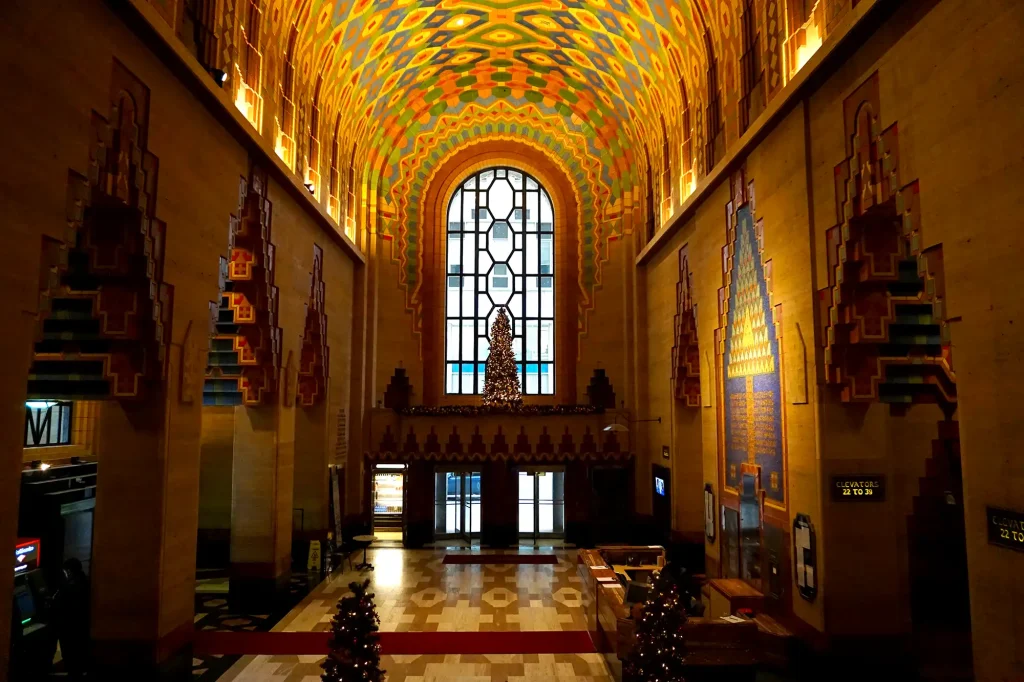
There are loads of them! The Guardian Building sparkles with its style paquebot features – think ocean liner elegance on land – while skyscrapers like the RCA Building tower over cities with their sleek form.
6. How does Art Deco influence today’s design and architecture?
Interior designers go gaga for the latest art deco trends because it’s timeless yet snazzy; they blend classic elements from pieces like ‘Les Demoiselles d’Avignon’ into swanky new spaces perfect for today’s taste!