
Dancing Colors: The Mesmerizing World of Abstract Art
Abstract art has been a staple in artistic expression since the 19th century when European painters endeavored to capture emotions without showing formally recognizable objects.
In this article, we’ll explore the fascinating evolution of abstract art and its impact on how we see and appreciate colors. Discover why contemporary abstract artists are as daringly creative as ever—brushstrokes, vibrant hues, and dynamic forms unite to create artwork that moves us emotionally and captures our imagination.
Let’s delve into the captivating realm of those dancing colors with posterity’s most iconic works.
Key Takeaways
- Abstract art is an expressionistic form of painting and sculpture, focused on the use of colors and shapes to create compositions that do not directly depict observable objects.
- A variety of movements, such as Impressionism, Expressionism, Cubism, Symbolism, and Avant-Garde, shaped abstract art into something mesmerizing.
- Abstract artists can evoke powerful emotional responses through their compositions by using geometric shapes in different sizes, colors, and textures combined with color theory, suggesting new perspectives on our environment.
- Abstract art encourages viewers to understand artwork conceptually rather than literally; this distance from objective references allows us to appreciate it on a deeper level.
What is Abstract Art?
Abstract art is an expressionistic form of painting and sculpture that focuses on the use of colors and shapes to create compositions that do not directly depict observable objects.
Definition
Abstract art is a form of visual art that does not represent things from the visible world but instead creates images based on personal emotions and ideas. This type of art relies on visual elements such as shape, form, color, and line to create compositions independent of real-world representation.
Through these elements, artists can express themselves using their unique vision, often resulting in innovative concepts. Abstract art allows for more personal interpretations because it does not require its viewers to accurately recognize objects or figures commonly seen in traditional paintings or drawings.
It invites them to look beyond conventional forms found in nature to explore emotion-evoking imagery created by the artist’s distinctive interpretation of colors and shapes.
History
Abstract art is a form of nonrepresentational art that developed in Europe during the late 19th century, with pioneers such as Konstantin Korovin and Wassily Kandinsky influencing its emergence.
Abstract art fully emerged in the early 20th century, mainly due to a decline in appreciation for Realism, which had been popular until then. Unlike representational or figurative works of art, abstract artists adopted compositions characterized by shapes and colors free from typical subjects or objects.
Artists use the visual language of shape, form, color, and line to create compositions independent from existing visual references.
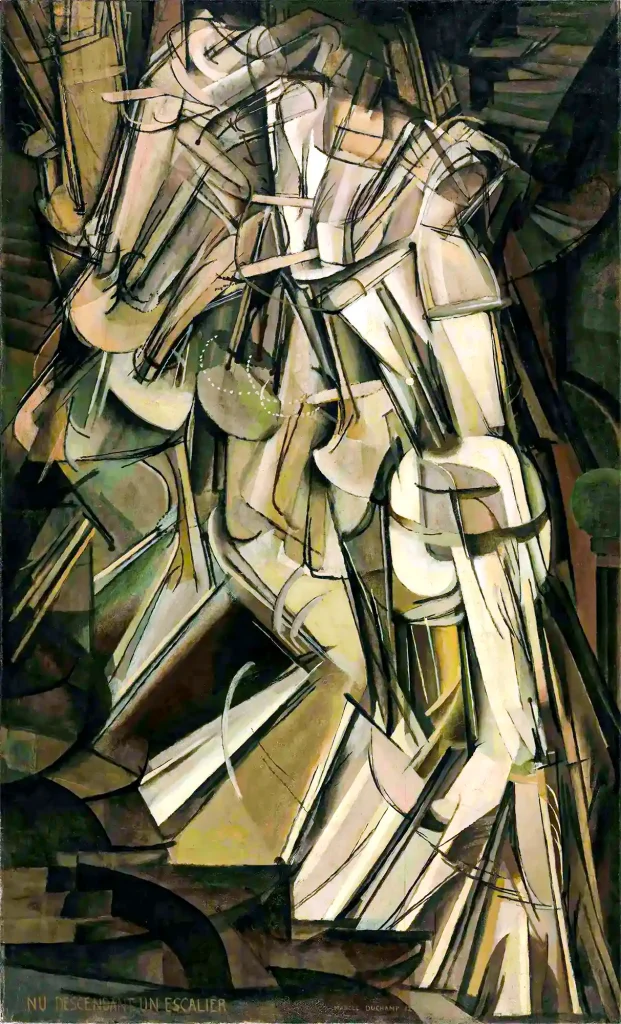
The history of abstract art has also seen strong ties between expressionistic music and painting. Marcel Duchamp was among those who combined both disciplines, creating montages full of energy and explosive forms inspired by sounds within this musical movement.
Analysis
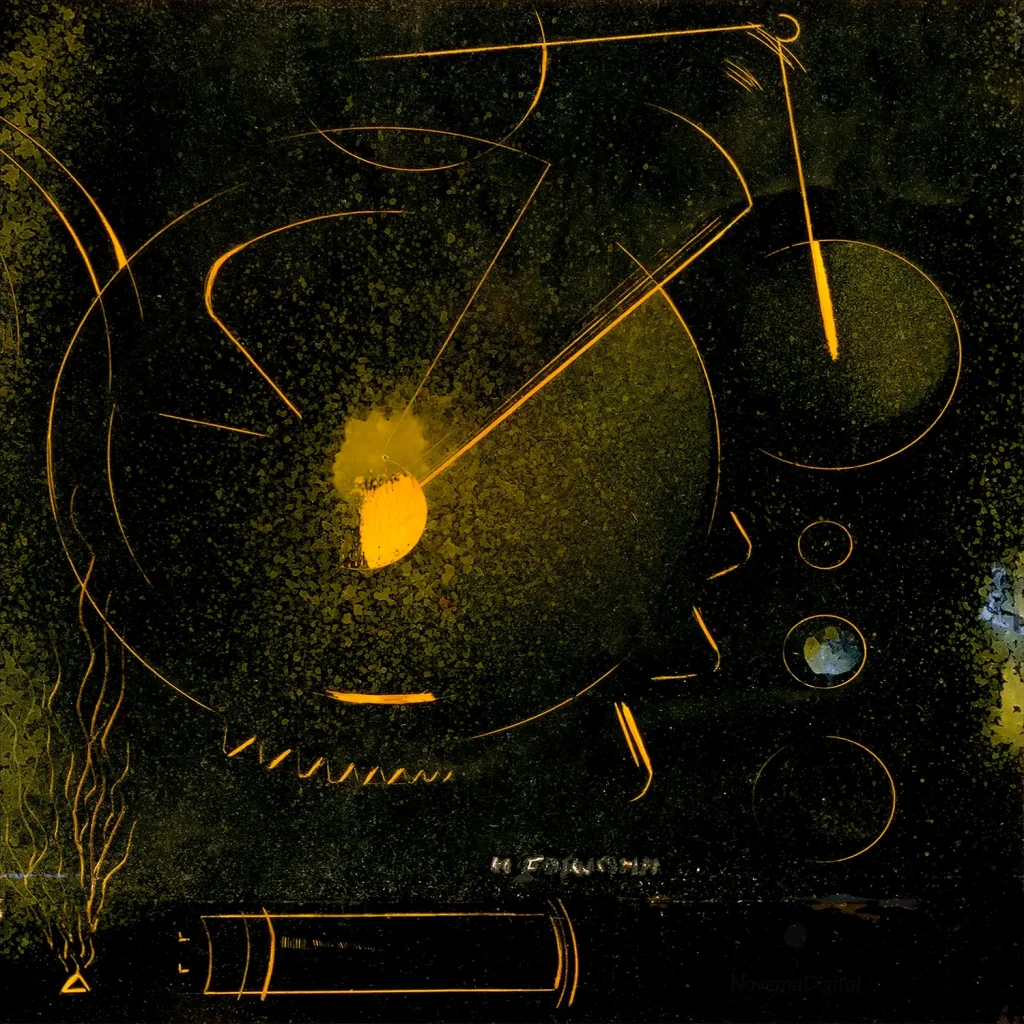
According to the definition, abstract art is a form of expression that utilizes color, shape, and marks to present emotions and ideas. It does not depict any specific object or anything from the visible world but instead draws upon feelings to convey particular experiences and emotions.
This concept has been largely influenced by primitive art, specifically tribal artifacts from various indigenous cultures around the world.
Abstract art involves artists exploring their ability to see very different things, allowing them to transition between representation and non-representation while playing with shapes, colors, textures, and other design elements.
The Evolution of Abstract Art
From its European roots in the 19th century to the rise of abstract expressionism in the mid-20th century, the art form’s evolution has been long and storied.
19th century in Europe
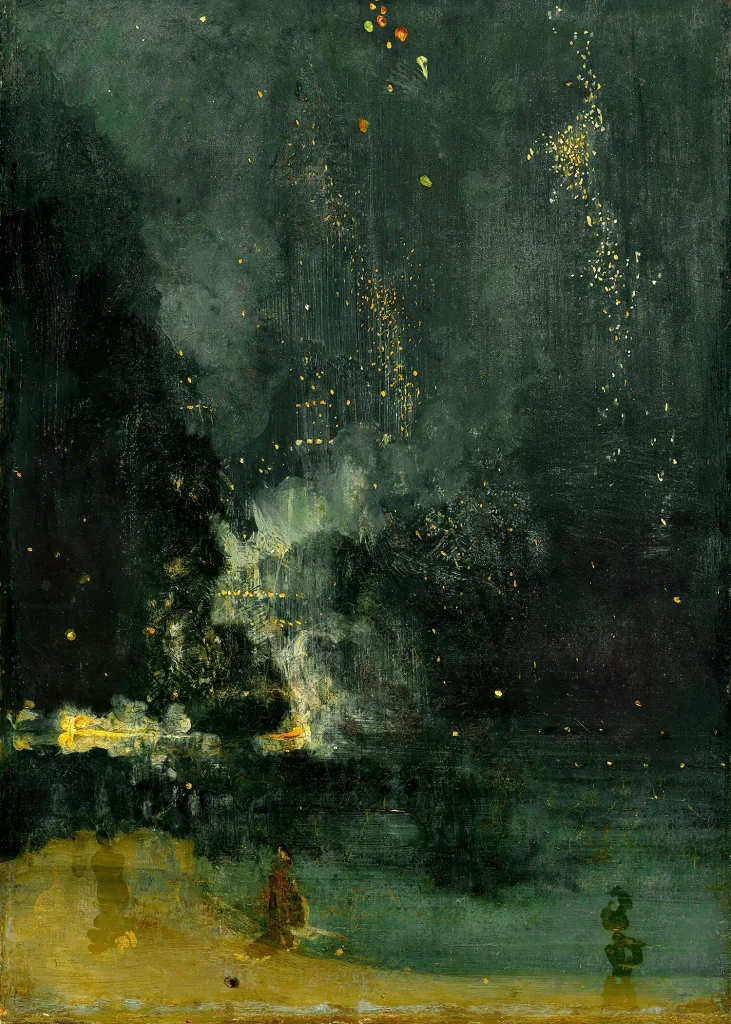
During the 19th century in Europe, many of the world’s most beloved abstract art movements arose, such as Impressionism, Expressionism, Cubism, Symbolism, and Avantgarde. This period was a significant turning point for modern fine art.
For the first time, dance became a popular subject in art. This genre symbolized modern life and paved the way for advances in abstraction that followed. Furthermore, Realistic painting styles began to fall out of favor with rising avant-garde movements like Modernism and Postimpressionism, lightly touching upon aspects of abstraction before they would become their own distinct style.
As these various schools gained recognition during the decades leading up to World War I, abstract artists were finally accepted by their peers and patrons, which enabled them to fully explore nonrepresentational painting techniques free from criticism. This later jumpstarted Abstract art proper at the start of the 20th century.
Early 20th century
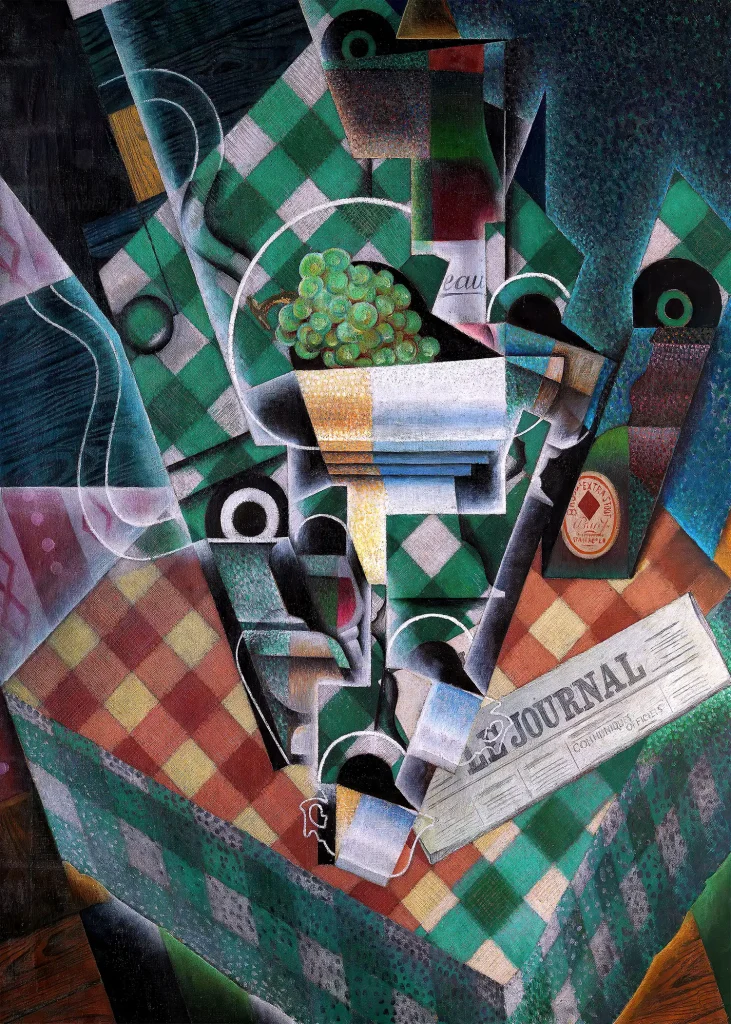
The early 20th century marked the emergence of Abstract art. Before this, the widespread appreciation for realism fell, and a new way of creating art emerged. Among these influences were Eastern European avant-garde movements such as Cubism, Futurism, Surrealism, Expressionism, Dadaism, Constructivism, and Geometric Abstraction, which began to take shape during this era.
Artists started exploring boundaries beyond what could be represented in conventional forms through nonobjective or abstract imagery. This revolutionized the perception of reality by denying tangible elements and using optical illusions to convey a message creatively.
It ultimately gave birth to an exciting form known as “Abstract Art,” where interpretation became open-ended, leaving people able to see different stories within its structures and colors while allowing them the freedom to express their emotions more openly without any physical limitations imposed by objective references previously recognized before it evolved further into painting mediums embraced today in our contemporary world!
Late 20th century
In the late 20th century, various movements and influences blended to shape abstract art into something mesmerizing. It was during this time that nonrepresentational art movements such as Orphism flourished, focusing on pure abstraction with brightly colored forms in paintings set off by large areas of uninterrupted black or neutral tones.
Modern avant-garde cubism merged with surrealistic dreamscapes and experimental color field painting to create an array of emotive yet abstract expressions. Conceptual art tackled ideas over aesthetics, while minimalism took its own approach toward the concept of form versus space.
The overall result generated remarkable visuals full of emotion for viewers worldwide to appreciate and respond to through their own interpretations. This gave way to postmodernist works at the turn of the 21st century, which continue today’s artistic influence well beyond the boundaries once explored.
21st century
The 21st-century abstract art world has grown and evolved from the movements of modernist pioneers like Jackson Pollock, Wassily Kandinsky, Pablo Picasso, and Mark Rothko. In a contemporary context, abstract art plays a major role in expressing creativity through visual elements such as shapes, colors, and textures, creating an open-ended emotional response that can provide more freedom of expression than objective references.
Examples include geometric abstraction, in which artists explore composition using minimal lines or formations to create disrupted geometric patterns, and color theory, which deconstructs the dichotomy of light/dark relationships to suggest new perspectives on our environment.
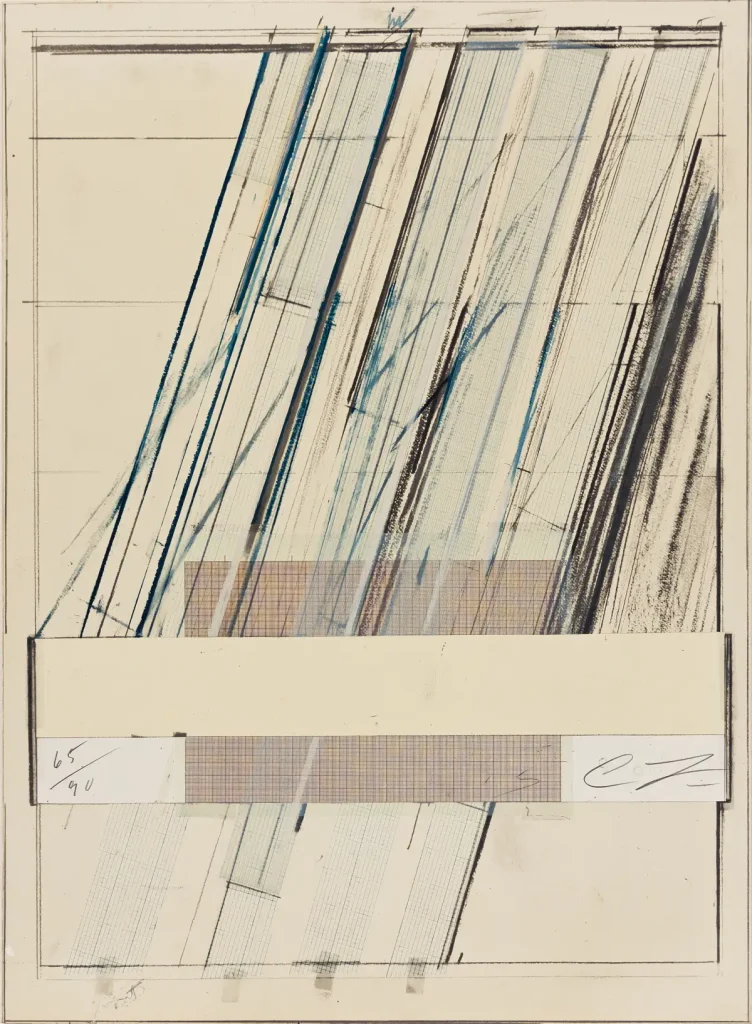
One key figure who helped shape this evolution in abstract art was Cy Twombly, whose work focused heavily on themes related to mythology and personal emotion. Today’s generation is creating global movements through online platforms, enabling them to connect with their audiences quicker than ever, leading to increased awareness about the value found within abstract artworks across all mediums.
What Makes Abstract Art So Mesmerizing?
By embracing bold colors, dramatic textures, and the liberation from objective references, abstract art captures our attention with its refined vibrancy.
Use of Shapes, Colors, and Textures
Abstract art is nonrepresentational or expressive artwork that utilizes shapes, colors, and textures to create mesmerizing works of art. By using different combinations of geometric shapes—such as squares, circles, and triangles—of varying sizes and colors within an artwork piece, abstract artists can create visual rhythms that captivate viewers with their beauty.
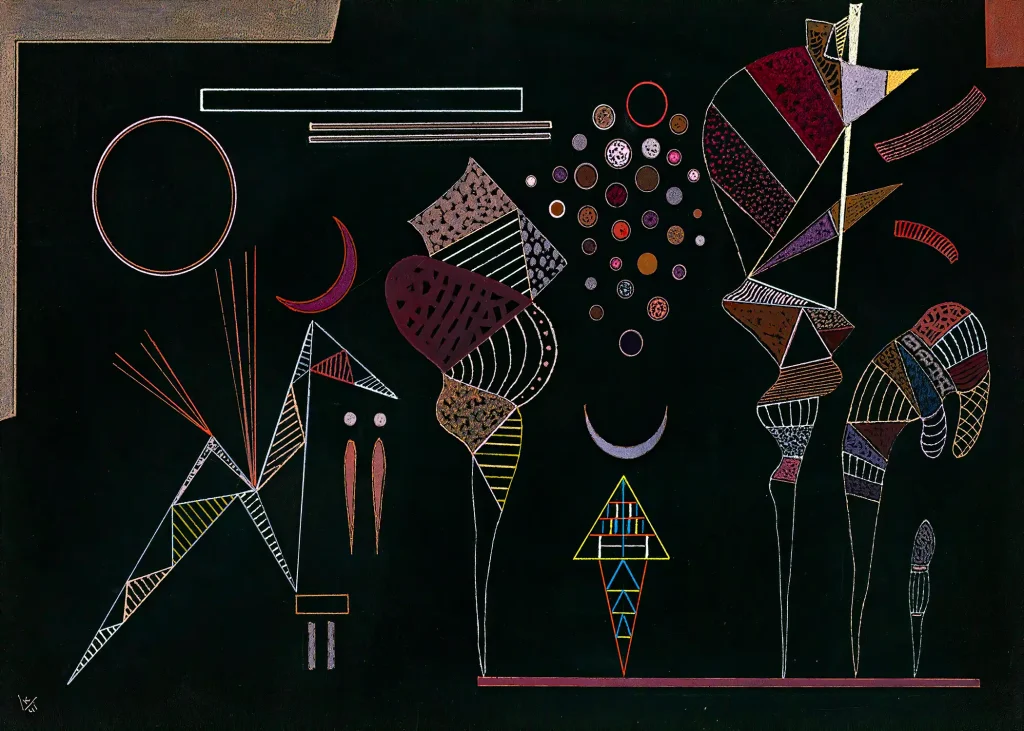
Additionally, color was often used symbolically in abstraction—for example, Wassily Kandinsky believed certain shades inspired particular emotions when seen together.
Using rich textural elements to achieve color harmony throughout the canvas contributes to the unique aesthetic quality found in abstract artworks like Mark Rothko’s Untitled from 1954, which features soft tonalities with yellow-orange hues balancing one another beautifully on a flat surface.
Emotional and Personal Response
Abstract art is unique in its ability to evoke varied emotional and personal responses from viewers. It takes subjects we are used to seeing in real life, such as faces, figures, or landscapes, and deconstructs them into shapes and colors that add an entirely new layer of meaning to the artwork.
The use of color also works to captivate viewers; the subtleties of certain hues can evoke a range of emotions without having any direct reference point. Abstract artists can use symbols, lines, circles, and angles in an unexpected way through their composition; it’s no wonder they manage to create pieces that can be incredibly evocative even if they cannot depict anything concrete.
This allows individuals to forgo the ‘real world’ references within their interpretation and form a personal connection with whatever feelings come up when viewing one of these captivating works.
Distancing from Objective References
Abstract art encourages viewers to see things more conceptually than literally, even when it contains recognizable shapes and recognizable figures. This distancing from objective references allows the perceiver to appreciate the artwork on a deeper level, as they may find themselves feeling closer to the emotional resonance of specific colors, lines, patterns or ideology.
When abstraction disconnects an artwork from its literal reference, it opens a psychological distance that can be incredibly mesmerizing and captivating.
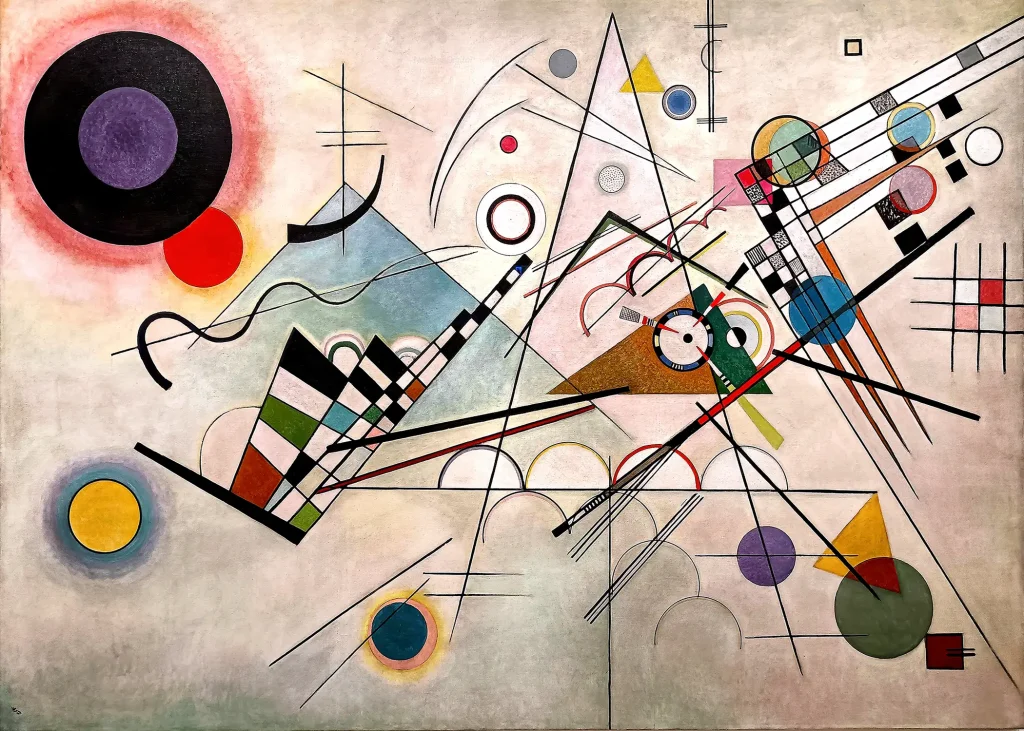
A great example is Wassily Kandinsky’s famous painting ‘Composition 8’, which he once described as picturing “a silver bell ringing in deep azure air.” In this painting, universal symbols such as circles represent bells, while sharp angles represent jagged mountains. However, their abstract nature is still apparent enough that no literal scene could fully explain what these elements mean in combination.
Famous Abstract Artists and Their Work
Let’s explore some of the most admired names in abstract art, such as Jackson Pollock, Wassily Kandinsky, Mark Rothko, and Pablo Picasso, to gain an understanding of their distinct stances on color and composition.
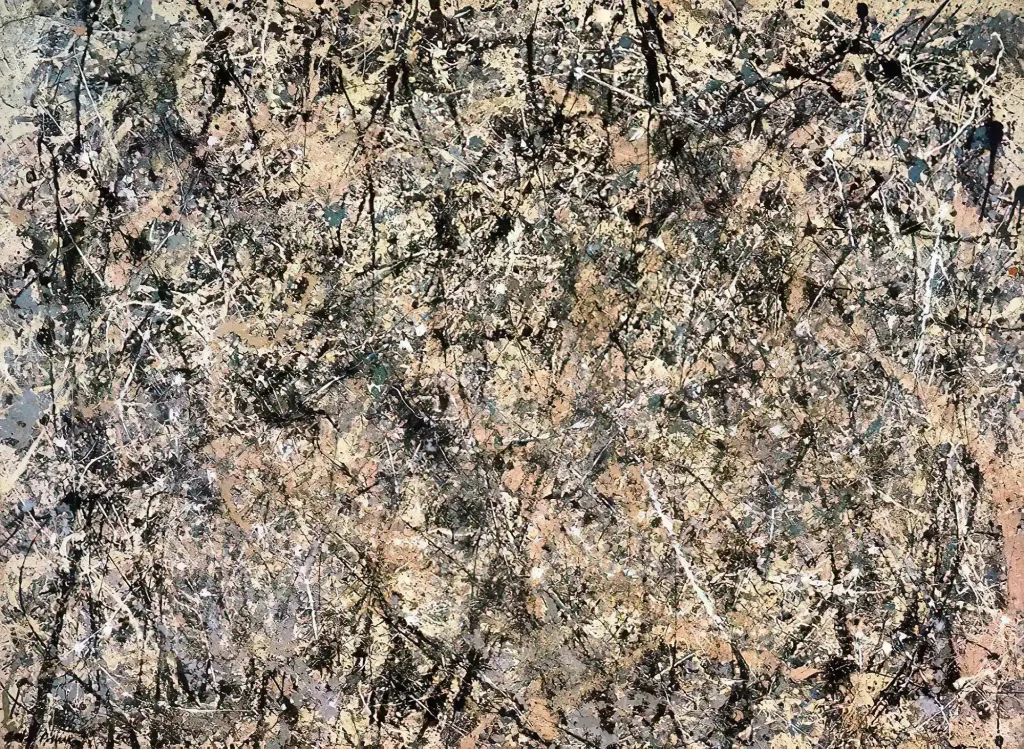
Jackson Pollock
A pioneering artist who became a major figure in the American Abstract Expressionism movement, Pollock’s iconic works are known for their abstract depictions of energetic, dynamic movement and vivid colors combined with an innovative painterly technique.
His drip paintings capture the emotional intensity of their subjects. Alluring landscapes created from splashes of pigment across canvas appear as if the paint was thrown at the surface vigorously while dancing to music.
This unique style allowed him to connect art with motion, allowing viewers to experience living emotions before them, transcending physical confines. Not only did Pollock help spur modernist developments by introducing abstraction into the American art scene, but he sparked artistic innovation and continues to live on through his timeless legacy today in contemporary art movements.
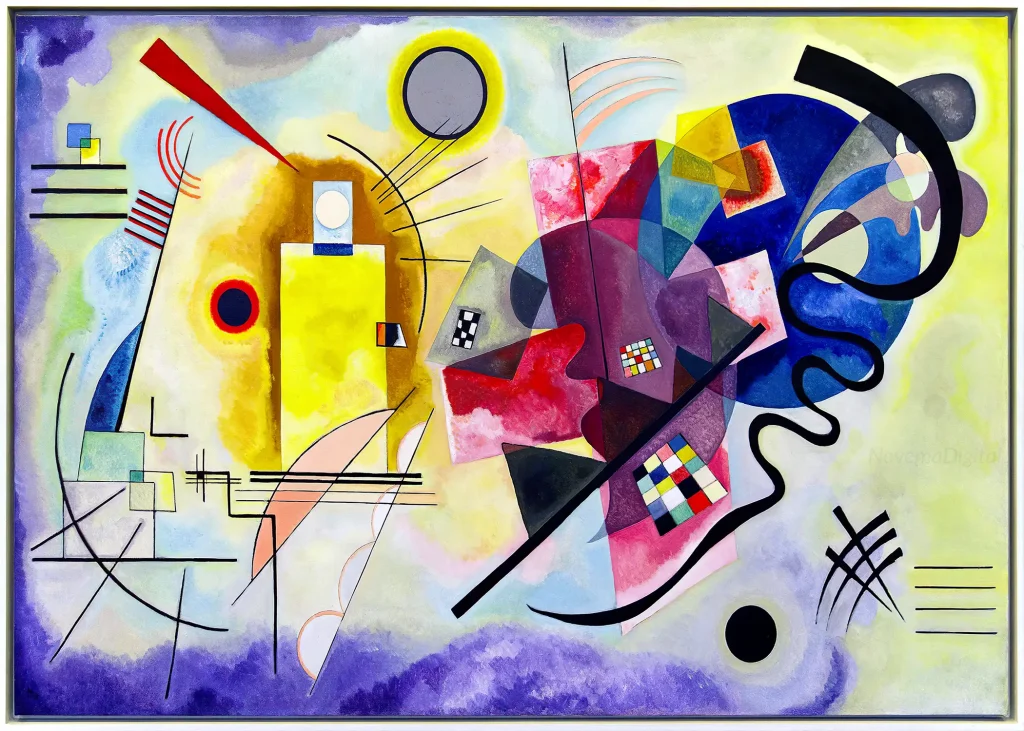
Wassily Kandinsky
Considered one of the founders of abstract art and credited with painting the first purely abstract works. His goal was to express feelings and music through colors and shapes; Kandinsky believed that colors have the power to evoke specific emotions and sounds.
His paintings are vibrant and colorful. He used forms, shapes, textures, and lines—including circles, which represent spirituality—as an expressionist source for emotional presence in his work.
Furthermore, Kandinsky sought to convey spirituality and human emotion through abstract forms and colors by distancing himself from objective references found in traditional artwork.
He achieved this by deviating from current practices of painting realistic scenes toward a more symbolic representation while accomplishing something entirely new within the fine art world yet still closely related to other disciplines, such as literature or music composition.
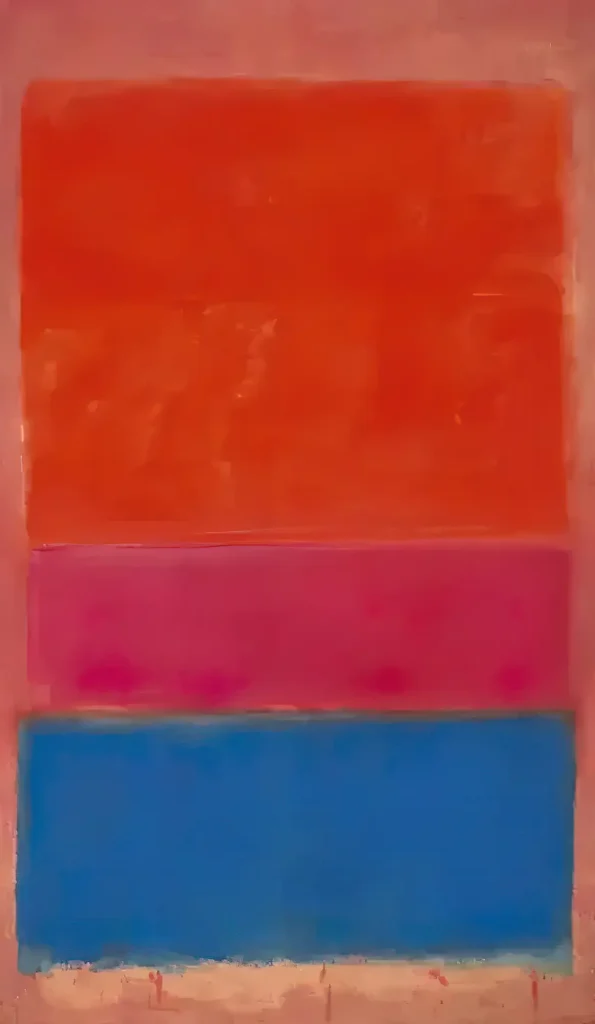
Mark Rothko
A renowned figure in the world of abstract art, he began his artistic career by mostly painting figural pieces but eventually created an entirely new style focusing on color and emotion-based compositions that now fall under ‘Abstract Expressionism.’
His works often feature soft rectangular forms hovering in saturated colors, which are thought to symbolize tragedy, ecstasy, and the sublime. Known for his rigorous attention to formal elements and deep interest in spirituality and philosophy, Mark Rothko’s artwork still reaches out across time, evoking powerful emotional responses from viewers around the world.
Through his mesmerizing use of shape, texture, and color, along with his unique balance between abstraction and representation, Rothko has inspired generations of emerging artists since the mid-20th century, leaving an indelible impression on the entire abstract modern art movement today.
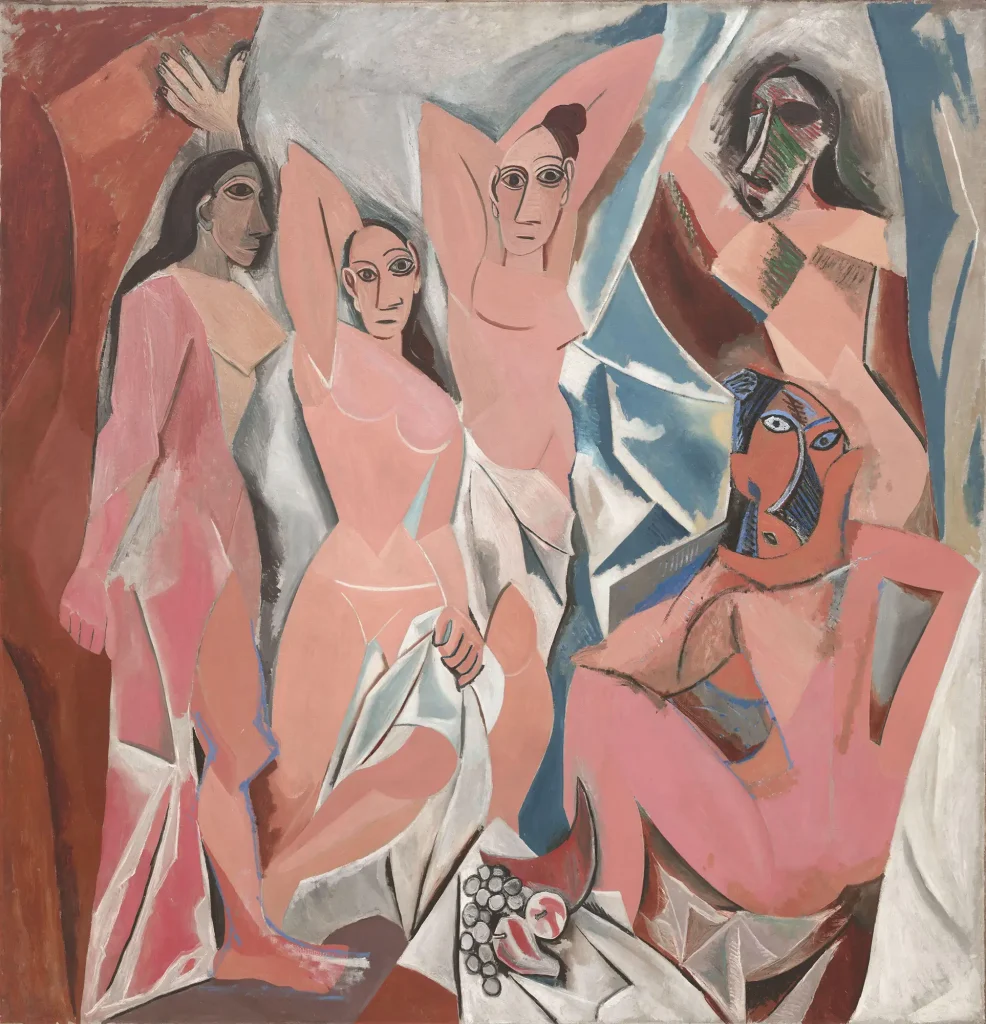
Pablo Picasso
Pablo Picasso is considered one of history’s greatest and most influential artists. A Spanish painter born in Málaga, Spain, in 1881, he revolutionized the art world with his modernist works, which used a range of styles, from cubism to abstract expressionism.
From his masterpiece ‘Les Demoiselles d’Avignon,’ a painting showcasing Picasso’s distinctive use of ‘primitivism,’ to his signature puzzle-like pieces like Guernica, which depicted human suffering during times of turmoil and war – Picasso truly changed the way people perceived art and created profound subject matter using simple yet powerful brush strokes.
His legacy as an innovator continues to inspire many contemporary artists, who admire him for blurring the borders between realistic representation and abstraction through bold colors, shapes, and textures.
The Impact of Social Media on the World of Abstract Art
Social media has enabled unprecedented access and exposure for abstract artists worldwide, allowing them to connect with art lovers from all corners of the globe.
Increased Exposure and Accessibility
Social media has helped to increase exposure and accessibility for abstract art by providing an online platform for artists to promote their work and engage with a larger audience.
Social media platforms such as Instagram, Twitter, and Facebook have enabled emerging artists to create virtual galleries of their artwork that can be seen by people all over the world.
This increased reach means more opportunities for collaboration among art lovers and professionals. Additionally, many museums and cultural centers have been able to use social media to host online exhibitions of works from digital collections they may not have usually had access to before social media existed.
Connecting Artists and Art Lovers
Social media has dramatically revolutionized the art world over recent decades, providing unprecedented access and opportunities for abstract artists to showcase their work and for art lovers to discover and support new talent.
Thanks to platforms such as Instagram, Facebook, YouTube, Twitter, Tumbler, etc., individuals worldwide are able to connect with one another, creating an ever-growing interactive social network of abstract artists.
With widened exposure and accessibility, many talented yet unknown creators have been lifted onto a platform where more people can see them than ever before, opening up endless possibilities for reputations and pocketbooks.
Why Everyone Should Appreciate and Care About Abstract Art
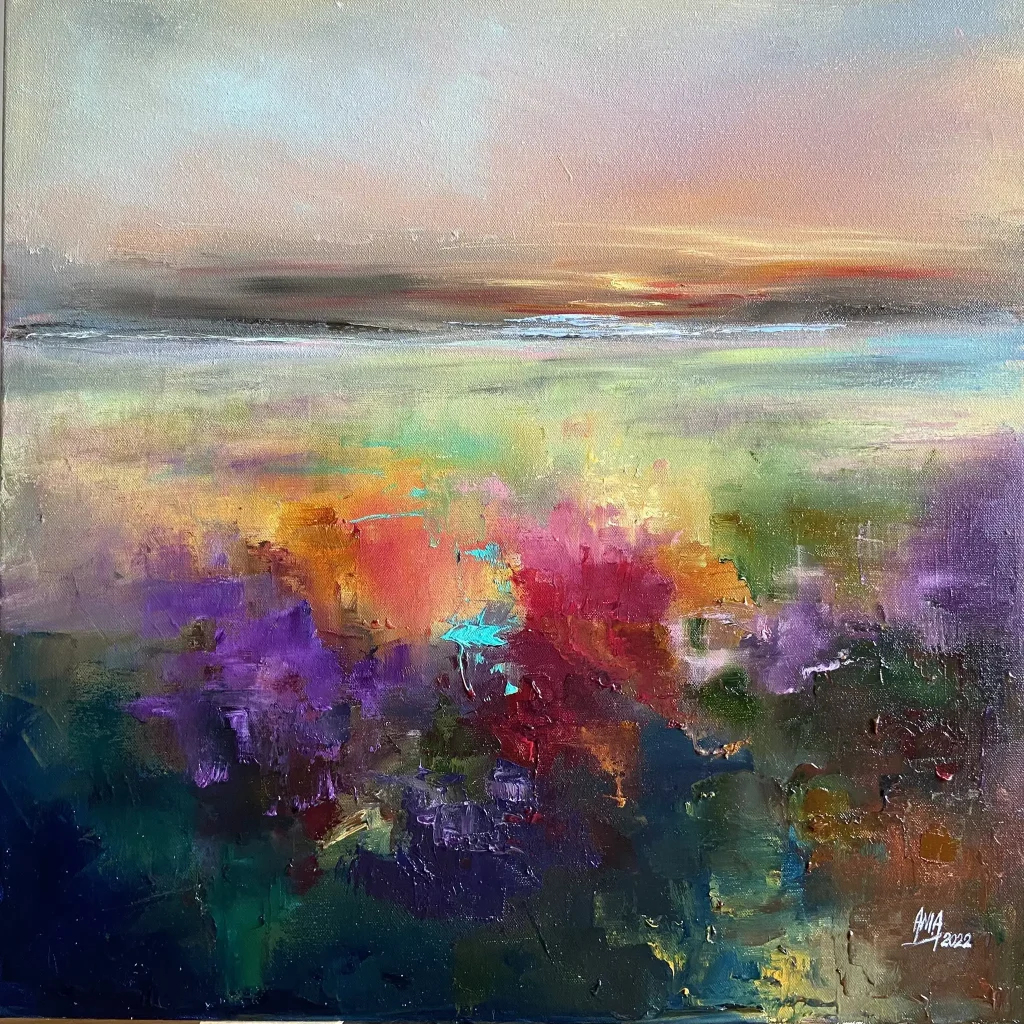
From its potential to spark creative thought and imagination to its ability to promote self-expression through vibrant colors and shapes, abstract art helps us explore the world beyond reality, allowing us to share an appreciation of beauty.
Encourages Freedom of Expression
Abstract art provides artists with a unique medium to express their emotions and ideas in ways often undiscovered by figurative art. By breaking away from only depicting reality, abstract art allows creative freedom by using colors, shapes, and forms to communicate complex messages effectively.
This form of visual communication uses symbolism to represent emotional expression, which can include everything from joy and harmony to anger and sadness.
Abstract expressionism refers to an American modernist movement in the 1940s-50s popularized by iconic figures such as Jackson Pollock and Mark Rothko. Their works resonated deeply with audiences at the time for their evocative implications of universal themes and profound human emotion.
Pablo Picasso’s cubism similarly paved the way for these types of artistic techniques to be used widely today – even beyond visual arts – and become more accessible throughout social media platforms that act as conduits between creators and appreciators alike.
Appeals to Our Emotions and Imagination
Abstract art has the extraordinary power to evoke emotions within its viewers. Unlike classical artworks, which are based on recognizable objects and figures, abstract artwork requires more interpretation and uses creative elements like shapes, colors, forms, and textures to tell a story.
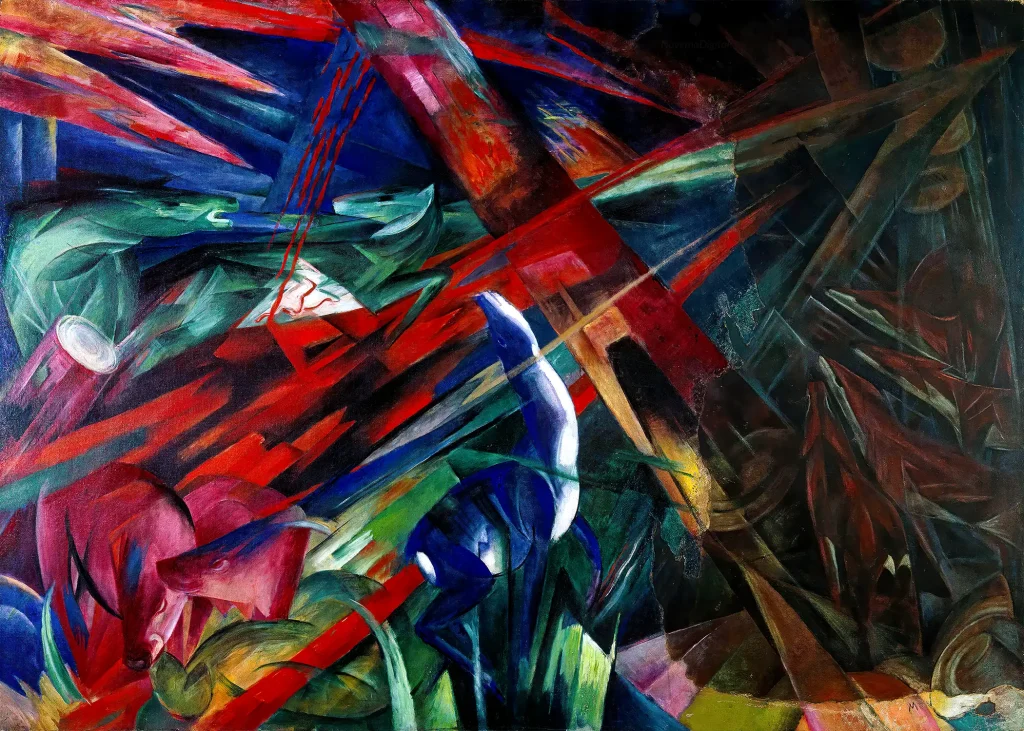
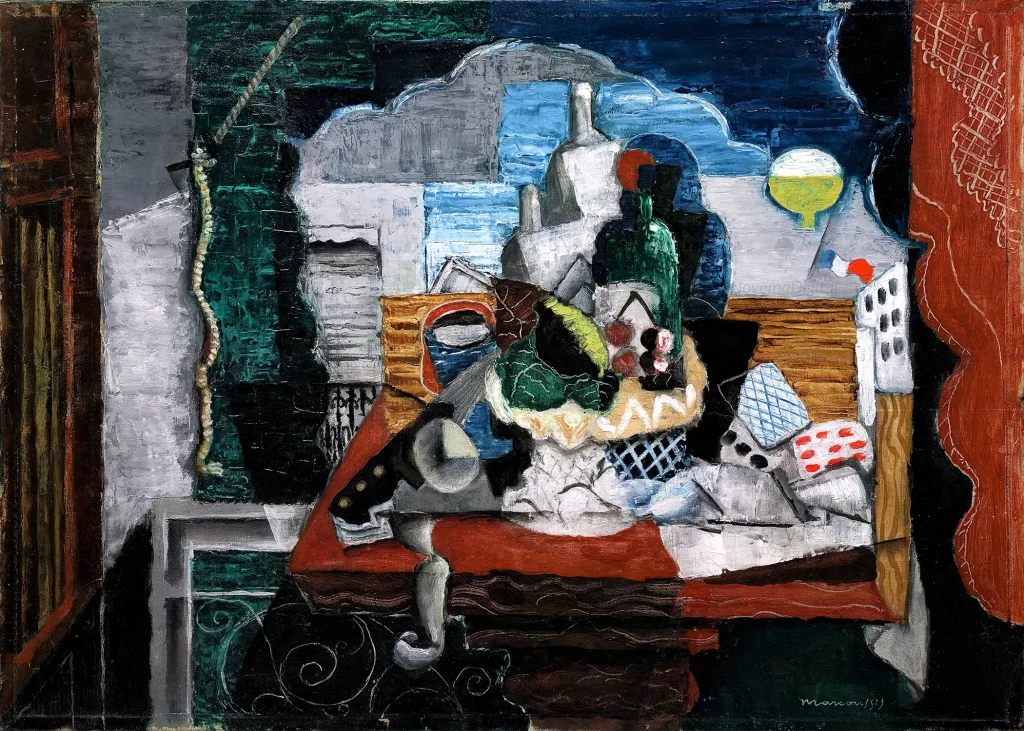
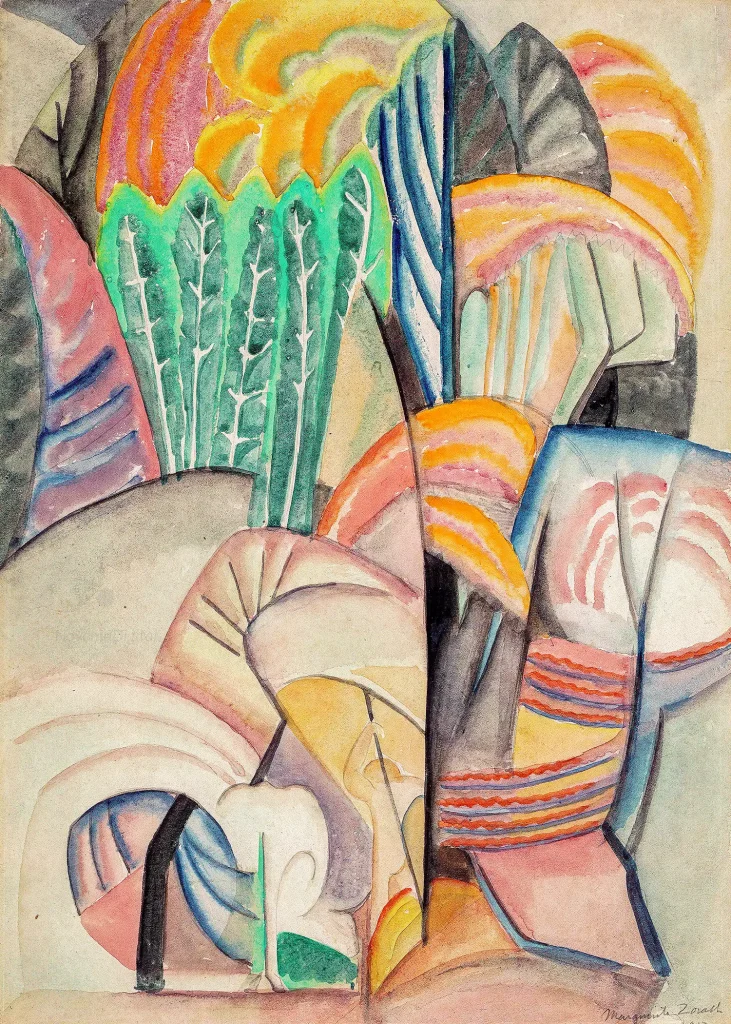
The use of these elements allows each viewer to form their own unique interpretations and draw emotional connections with the artwork. For example, iconic works like those mirrored by Louis Marcoussis or Franz Marc invite audiences to explore an unpredictable world of vivid lines or colorful transformations that will always pull at our emotions in some way.
Abstract artists play with light and dark contrasts as well as movement-enhancing effects to create pieces that grab our attention – challenging us to pause for a moment longer in order to shift through all the sensations flooding us from their work’s aesthetics.
Adds a Touch of Creativity to Any Space
Abstract art is the perfect way to add a touch of creativity and visual intrigue to any living space, allowing individuals to express themselves through vibrant colors, unique shapes, and bold textures.
This unique form of artistic expression can captivate audiences with its ability to stimulate emotion and imagination. Abstract art encourages freedom of thought and interpretation, which can create a stimulating atmosphere by adding an element of mystery, curiosity, or even passion to a room.
It also appeals aesthetically, adding layers of dimension that draw in viewers and invite them into an evolutionary journey full of exploration and creative concepts.
Conclusion
Abstract art provides an outlet for creative expression, inspires new ideas and perspectives, fosters connections between artists and viewers, stimulates the imagination, and, above all, encourages freedom of thought and exploration.
With its endless possibilities of colors, shapes, textures, and interpretations, Abstraction has much to offer the world aesthetically and emotionally.
By embracing this type of artwork, we cultivate a stronger relationship with ourselves. It allows us to explore different points of view, which ultimately enhances our appreciation for beauty in any form.
FAQs
1. What is abstract art?
Abstract art uses color, lines, and shapes to create compositions that don’t represent real objects or scenes from nature.
2. What are the benefits of looking at abstract art?
Abstract art can stimulate creativity and imagination by evoking feelings without any literal subject matter. It can also encourage self-expression by allowing viewers to interpret a piece differently.
3. How can I learn more about abstraction in art?
To learn more about abstraction in art, consider taking an online class or reading books written by acclaimed artists specializing in this genre. These can inspire ideas and insightful perspectives to help you create meaningful abstract pieces.
4. Where should I go to experience abstract artwork?
You may visit galleries, museums, or exhibitions that display many forms of contemporary artwork, including those related to abstraction, such as sculpture installations or light shows created with projection mapping techniques, to gain exposure to a wide range of imaginative possibilities found within the world of modern painting and sculptural practices meant for public viewing pleasure.
5. Why is it important for me to understand abstraction?
It’s important for people to take time to appreciate various artistic expressions because each style offers unique visual elements that engage one’s senses and provide alternative methods for individuals to communicate their inner voice to potential global audiences!