
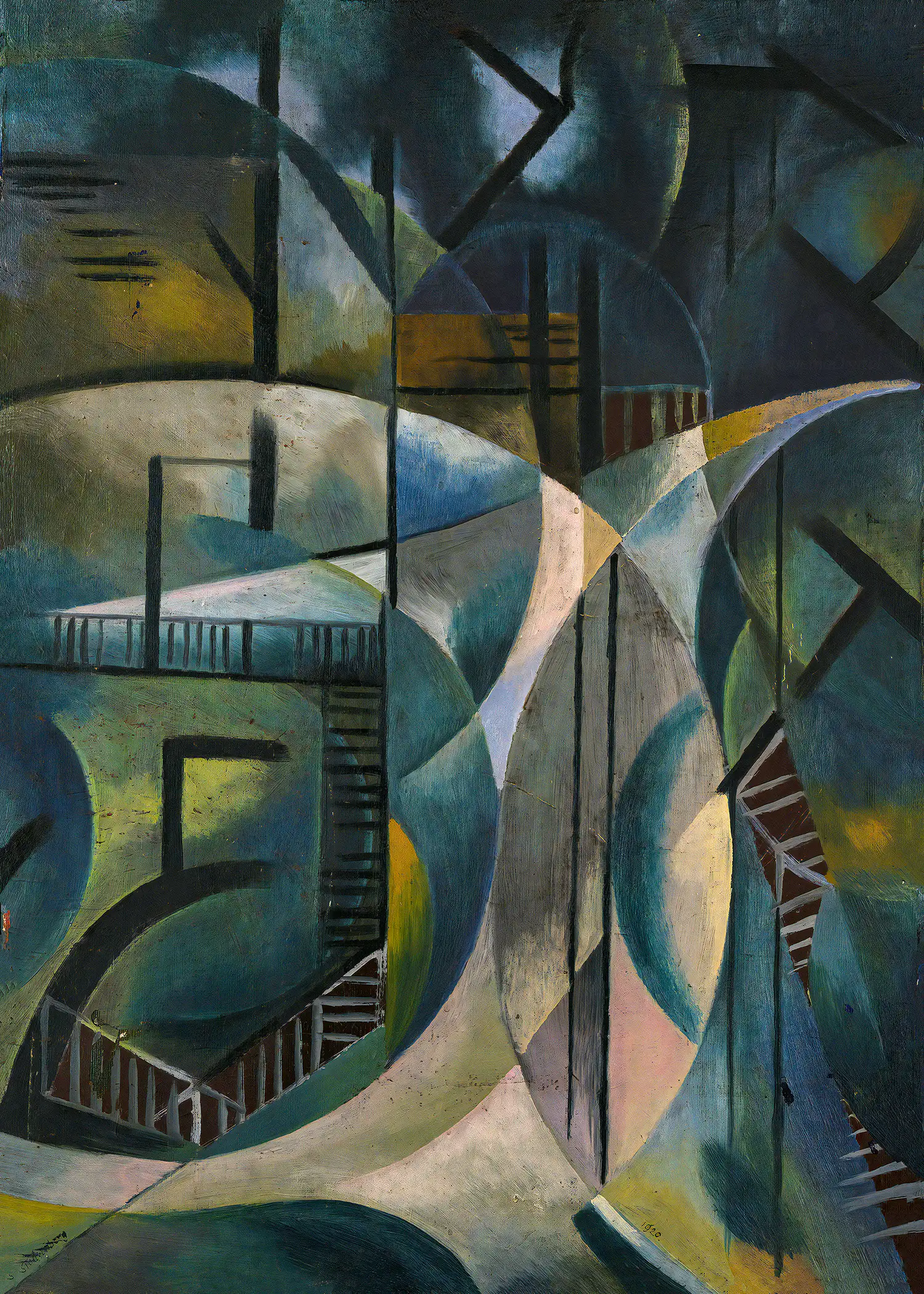
Fritz Stuckenberg – Landscape in the Park (1920)
Original price was: $9.99.$4.99Current price is: $4.99.
Fritz Stuckenberg – Landscape in the Park (1920)
Description
This work of art has been digitally enhanced without erasing signs of ageing for the sake of authenticity. Digital paintings are very popular right now as an affordable and stylish way to decorate and personalize your home and office.
Fritz Stuckenberg – Landscape in the Park (1920)
“Stuckenberg was born Friedrich Bernhard Stuckenberg in Munich, but moved with his family in 1893 to the northern industrial city of Delmenhorst (near Bremen), where his father took over as director of the Hansa-Linoleumwerke. After unfinished studies of architecture and art studies in Weimar and Munich, he spent five formative years (1907–1913) in Paris. From there he made excursions to Pont-Aven as well as to Provence (Cassis, Martigues) where he “cleaned his palette”. He belonged to the circle of artists in the “Café Du Dôme” and exhibited in some of the best salons and galleries in Paris.
Coming back to Germany, he took residence in Berlin, where he was discovered in 1916 by Herwarth Walden and integrated into the Sturm circle. He became friends with Georg Muche, Arnold Topp, Walter Mehring and Mynona. Disillusioned with Walden, he joined in 1919 the Arbeitsrat für Kunst around Walter Gropius and Bruno Taut, later the Novembergruppe. Several “Sturm”-exhibitions, participation in the first Berlin Dadaist exhibition, and inclusion in the third Bauhaus portfolio, mark his rank in the artists’ scene of these years. In the early 1920s, his works were shown in Germany, the USA and the Soviet Union as that of a pioneer of the European avant-garde.
Severe illness and financial problems forced Stuckenberg nevertheless to return to his parents in “gloomy Delmenhorst” (as he writes in a letter to the Flemish dadaist Paul van Ostaijen). Under increasingly difficult conditions, both political and personal, he developed a constructivist and spiritualist late work. All of his pictures were removed from German museums (and some of them destroyed) during the Nazi purges. In the infamous exhibition on “Entartete Kunst” in 1937, his “Straße mit Häusern” (street with houses, 1921) was exhibited as an example of “degenerate art”. During the Second World War he moved to the South of Germany and died there, already almost forgotten. In 1993 he was rediscovered as a part of the modern art avant-garde with a retrospective in Delmenhorst, Berlin and Neuss. A large part of his surviving work is now to be seen in the Städtische Galerie Delmenhorst.”
After purchase you will have access to a PDF document with a link to these files available for download: 5×7”, 8×10”, 9×12”, 11×14”, 16×20″, 18×24″, 24×36″ and A1.
All files are in JPG format and at 300 PPI/DPI resolution. Please note that colours on your screen may be slightly different from the actual print.
This is not a physical item therefore nothing will be shipped to you.
You can download the PDF file at checkout after the payment clears.
Since these are printable downloads, refunds cannot be issued. Should you have any issues or questions please contact us and we will be happy to assist you.
For personal use only. Please do not use our digital art files for commercial use or resale.
© NovemaDigital
Only logged in customers who have purchased this product may leave a review.
Related products
-
Sale!

Edgar Degas – Yellow Dancers (In the Wings) (1876)
Original price was: $9.99.$4.99Current price is: $4.99. -
Sale!
Adrien Moreau – Contemplation (1873)
Original price was: $9.99.$4.99Current price is: $4.99. -
Sale!
Camille Pissaro – Poplars, Éragny (1895)
Original price was: $9.99.$4.99Current price is: $4.99. -
Sale!

Utagawa Hiroshige – The Monkey Bridge in Kai Province (1840s)
Original price was: $9.99.$4.99Current price is: $4.99.

Reviews
There are no reviews yet.