From Pixels to Paper: A Step-by-Step Guide to Printing Digital Wall Art


Do you need help with the digital wall art you purchased to decorate your home? Digital prints from online platforms and websites are an economical way to personalize your space with unique designs. This post will guide you through understanding, preparing, printing, and framing your chosen digital files for the best possible results and the choices that are available to you.
Let’s unravel the convenient world of DIY home decor together!
Key Takeaways
- Digital wall art refers to artwork created digitally and can be downloaded as a file for printing at home or using professional print shops.
- When purchasing digital files, choose the right size and format (such as JPEG or PNG) for optimal print quality.
- Consider factors such as paper type (fine art, matte, coated, semi-matte) and ink type (dye-based for vibrant colours, pigment-based for longevity) when selecting materials for printing digital art.
- Options for printing digital wall art include printing at home (with pros like immediate results and cost savings but cons like limited quality and lifespan), using professional print shops (for high-quality prints with customization options), or utilizing online printing services like Mpix.com, FrameitEasy.com, Walgreens, Walmart, etc.
Understanding Digital Wall Art
Digital wall art refers to artwork that is created digitally and can be downloaded as a file. It allows art enthusiasts to easily access and print high-quality pieces for their home decor. To understand digital wall art better, let’s explore what a digital download is and how to purchase and download it.
What is a digital download?
A digital download is when you buy a file online. It’s not something you can hold in your hand. You might get a PDF, JPG, PNG, SVG, EPS or other kind of file. After buying it, this file becomes yours to keep forever.
It can be viewed and used on your computer or mobile device. You need the right software to open each type of file.
How to purchase and download digital files
Buying and getting digital files is very simple. Here are the steps:
- Go online: Use your computer or phone to hop on the internet. You can find digital wall art from many places. Some of them are RedBubble, Society6, and Shutterstock.
- Pick your art: Look at all the art they have for sale. Pick what you like best for your home decor.
- Purchase: After you pick your art, buy it. You’ll need a credit card or another way to pay online.
- Download: Once you buy it, you can download the file immediately. Most will be JPEG, PNG or PDF files.
Preparing Digital Files for Printing
Most sellers will have already optimized the file for printing; however, here’s what to do in case it hasn’t been done.
To prepare digital files for printing, you must optimize the file format and resolution. Additionally, selecting the appropriate color profile is crucial for accurate color reproduction in your prints.
Optimizing file format and resolution
Let’s talk about getting your digital art ready to print; you want it to look its best. Here are simple steps to get it right:
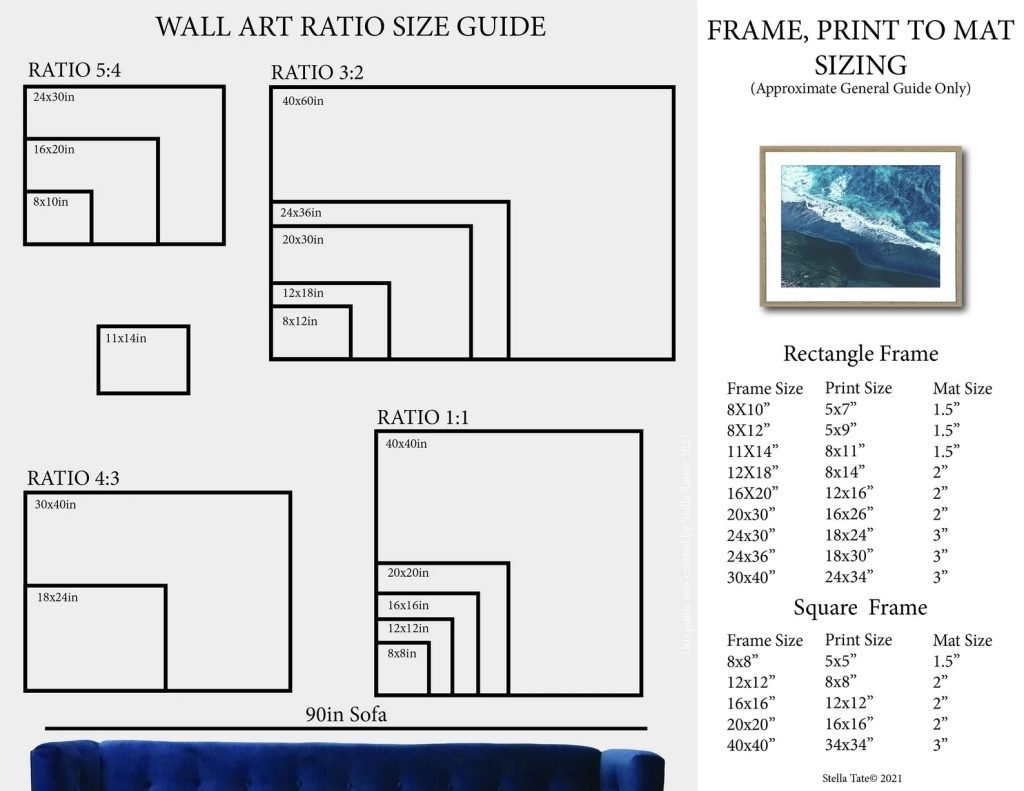
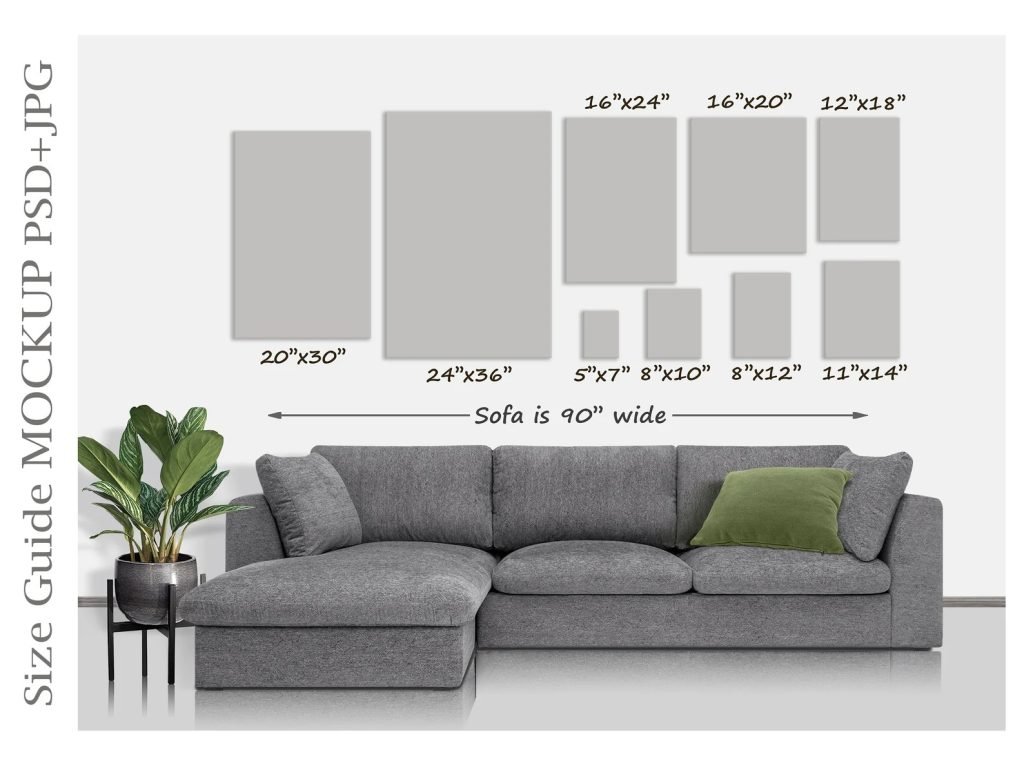
- Start with the right size: Measure the place in which you will place the artwork. It can range from very small (5”x7”) to very big (24”x36”) and can usually be resized easily.
- Check the Resolution: Go for a resolution of 300 DPI. This will ensure it has enough details for a clear, sharp print.
- Please keep all the quality: Save your work as a JPG or TIF file after you change its size. These formats support all the fine details in your art. Use PNG if it has transparency.
- Play with colours if needed: Before printing, you can use editing tools to make your colours brighter or darker.
Selecting the appropriate colour profile
Using the right colour profile is key for great digital art prints. Colour profiles help ensure you get colours that are true to the original art. Most digital art files use an RGB workspace. If your print comes out with the wrong colours, double-check the colour gamut of your printer and artwork file. Choose a wider gamut for more vibrant colours.
Choosing the Right Paper and Ink for Printing Digital Art
When printing digital art, selecting the appropriate paper and ink is important in order to ensure high-quality prints. Consider factors such as different types of printing paper and the benefits of dye-based or pigment-based inks.
Different types of printing paper and other materials
When printing digital art, choosing the right type of paper or material is important. Here are some options:
- Fine art paper is a high-quality paper often used for fine art prints. It has a smooth texture that is great for capturing vibrant colours and details.
- Matte paper: If you prefer a non-reflective finish or are looking to frame your artwork, matte paper is a good choice. It has a smooth texture and provides a more subtle look for your digital art.
- Coated paper: This type has a glossy finish, enhancing colour saturation and sharpness. It’s commonly used for printing photographs or digital art with rich colours.
- Semi-matte paper: This paper falls between matte and glossy finishes, offering a balance of sharpness and reduced glare.
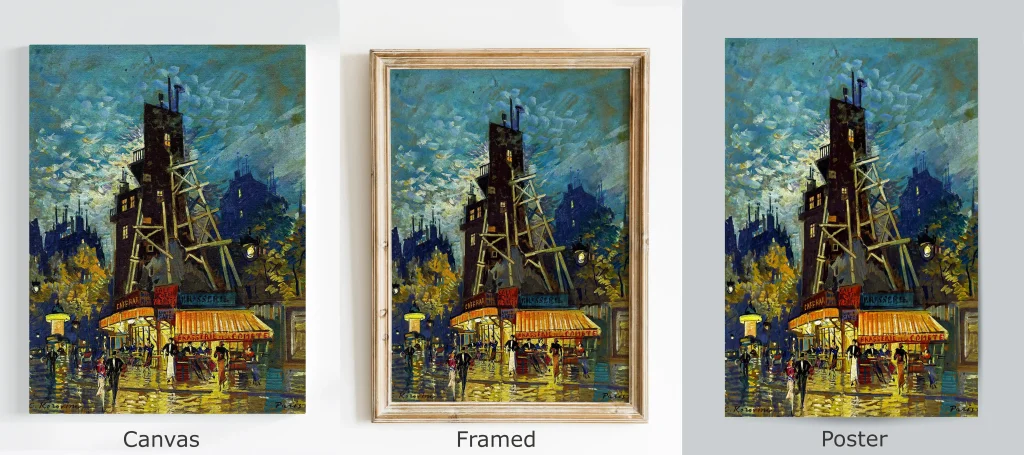
- Canvas: Provides a textured, painterly feel suitable for a wide range of artworks.
- Aluminium Prints: Infuses a contemporary, high gloss look to your digital art.
- Acrylic Prints: Offers a clean, classy, borderless look, great for minimalist designs.
- Wood Prints: A great option for anyone who wishes to incorporate the beauty of nature and traditional style into their living space.
Prodigi has a very reasonably priced sample pack that contains around 17 different types of paper to compare, the pack can be ordered here.
Ink considerations for high-quality prints
When printing digital art, it’s important to consider the type of ink you use for high-quality results. Dye-based inks are recommended for vibrant colours and sharp text, especially when printing on glossy paper. These inks can produce a wide colour gamut and offer excellent image resolution. On the other hand, pigment-based inks are a great choice if you’re looking for long-lasting prints with up to a 150-year lifespan. They provide fade-resistant properties and are ideal for archival purposes. Whichever ink type you choose, pair it with acid-free and archival paper to ensure the longevity of your printed digital art.
Options for Printing Digital Wall Art
You have several options for printing your digital wall art, including printing at home, using professional print shops and utilizing online printing services.
Printing at home: Pros and Cons
Printing your digital wall art at home can be convenient and cost-effective, especially with a high-quality printer and suitable materials. But it also has its fair share of challenges and limitations. Here are some of the pros and cons:
Pros:
1. Immediate results: You control the printing process and can see the results instantly.
2. Cost savings: Printing at home can save money, especially for small quantities.
3. Customization: You can easily make adjustments and reprint if needed.
4. Privacy: Your artwork stays in your possession throughout the process.
Cons:
1. Quality limitations: Even the best home printers may not match the superior quality of professional print services.
2. High costs for large volumes: Ink and paper costs can add up for large quantities or large-format prints
3. Technical challenges: Adjusting resolution, colour, and contrast requires expertise and can be time-consuming.
4. Limited lifespan: Prints made with regular home printer ink, like dye-based inks, can fade within 5 years and are not waterproof.
Check the specifications of your printer and the requirements of your digital artwork before deciding whether to print at home or use a professional service. A professional print shop or online service may be better if you have a larger or more complex project.
Using professional print shops: Benefits and recommendations
If you want high-quality prints of your digital wall art, using a professional print shop is a great option. Here are some benefits and recommendations:
- Professional quality: Print shops have specialized equipment and expertise to produce sharp and vibrant prints that accurately reproduce the colours and details of your digital art.
- Wide range of materials: Print shops offer a variety of printing materials such as fine art paper, canvas, metal, and more. You can choose the material that best enhances the look and feel of your artwork.
- Customization options: Many print shops allow you to customize your prints with different sizes, finishes, and framing options. This will enable you to create a unique display for your digital wall art.
- Convenience: Instead of dealing with the hassle of printing at home or finding the right printer, a print shop handles all the printing process for you. You can upload your digital file and let them care for the rest.
- Professional advice: Print shop staff can provide valuable advice on file preparation, colour adjustments, and choosing the correct printing options for your artwork. They can ensure that your prints turn out exactly how you envision them.
- Frame It Easy: They specialize in printing and framing digital wall art. They offer a wide selection of frame styles and matting options to complement any artwork.
- Prints of Love: An online print service known for its high-quality prints and customer satisfaction. They have an easy-to-use website interface and excellent customer support.
- Local printers: Check out local print shops in your area, as they may offer personalized services tailored to your needs.
Best online printing services: Mpix.com, FrameitEasy.com, Walgreens
If you’re an art lover who enjoys displaying digital wall art, using online printing services is an effortless way to bring those artworks to life. Local retail stores tend to be cheaper but the quality is usually not as good as online or professional printing shops. Here are some of the best online and local printing services.
Online
Local
You can also check out your local print shop and show them your files, they might be able to give you several options and affordable prices.
Finishing Touches: Framing and Displaying Your Digital Wall Art
Once you have printed your digital wall art, the next step is to add those finishing touches to make it truly stand out. One popular option is framing your prints. A frame can enhance the overall appearance of your artwork and protect it from damage. Look for frames that complement the style and colours of your digital art, ensuring a cohesive look.
When choosing a frame, consider material, size, and finish. Common options include wood, metal, or plastic frames with different finishes like black or silver. Measure the dimensions of your print before purchasing a frame to ensure a perfect fit. Another way to display your digital wall art is by using mounting techniques such as canvas stretching or foam board backing. Canvas stretching involves stapling the print onto a wooden frame to become taut and ready to hang on the wall. Foam board backing provides stability and makes it easy to attach hanging hardware.
Here are a few examples of the types of frames you can use:
- Wood Frames: Classic and versatile, suitable for various art styles.
- Metal Frames: Modern and sleek, perfect for contemporary art.
- Acrylic Frames: Offers a clean, borderless look, great for minimalist designs.
- Floater Frames: Creates a floating effect, adding depth to canvas prints.
A few different styles include:
- Gallery Wrap: The image wraps around the edges of the canvas, creating a 3D effect.
- Standard Frame: Provides a border around the artwork, framing it like a traditional painting.
- Shadow Box Frame: Ideal for 3D art or adding depth to your digital piece.
Some places to find frames for your artworks are:
Whether you choose framing or mounting techniques, select acid-free and archival materials. These materials help prevent yellowing or fading over time, ensuring your newly printed artwork stays vibrant for years.
Remember: You can also get creative with displaying your digital wall art!
Consider arranging multiple prints in an eye-catching gallery wall formation for maximum visual impact. Experiment with different layouts until you find one that best showcases your favourite pieces.
Overall, considering these finishing touches will elevate the presentation of your digital wall art and allow you to enjoy its beauty every day in any space you choose.
Conclusion
Printing digital wall art is a transformative process that allows you to enjoy your favourite pieces in a tangible, meaningful way. With the proper knowledge and resources, you can turn your digital creations into stunning works of art that will enhance any space. The amount of customization available enables you to create something unique that reflects your personality and living space.
Remember to consider the style and aesthetic of your art when choosing the medium and frame, and don’t hesitate to explore different options to find the perfect match. Whether you choose an online printing service or a local print shop, the key is to find a provider that understands and values the essence of your art. Happy decorating!
FAQ
- What type of files do I download for digital wall art?
The file types for downloading digital files include PDF, PNG and JPG for easy printing on photo or document prints.
- Where can I print my digital wall art?
You can print your downloaded files from at home using a printer or online services that offer different sizes of canvas, metal, and fine art paper prints.
- Can I create custom products with my printed artwork?
Yes! Digital arts can be used to personalize a range of items from print-on-demand websites like Printify, Printful, Gelato and Prodigi – clothes, pillows, stickers, magnets, mugs, etc.
- Is there specific software or tools recommended when preparing digital artwork for print?
Sketchbook Pro for Mac or Photoshop are popular amongst digital artists. Krita is a professional-quality free drawing software that is well worth checking out if you are on a budget.
- Which paper is best suited for printing Digital Wall Art?
Choose acid-free paper such as fine cotton, enhanced or bamboo paper since they result in high-quality scans without yellowing over time.