Information on Digital Art: Exploring a New Frontier in Creativity
In the realm of artistic expression, the emergence of digital art has revolutionized the way artists create and audiences experience visual works. This dynamic medium, born from the marriage of technology and creativity, encompasses various styles, techniques, and tools. In this article, we will delve into the world of digital art, covering its origins, diverse forms, prominent artists, and its impact on the art world.
Origins of Digital Art
The roots of digital art can be traced back to the mid-20th century when pioneering artists and computer scientists began experimenting with early computer systems. One notable example is Ben Laposky, who created some of the earliest known computer-generated artworks in the 1950s using an analog computer. However, it wasn’t until the 1980s that the advent of personal computers and graphic software truly democratized digital art creation.
The Role of a Digital Artist
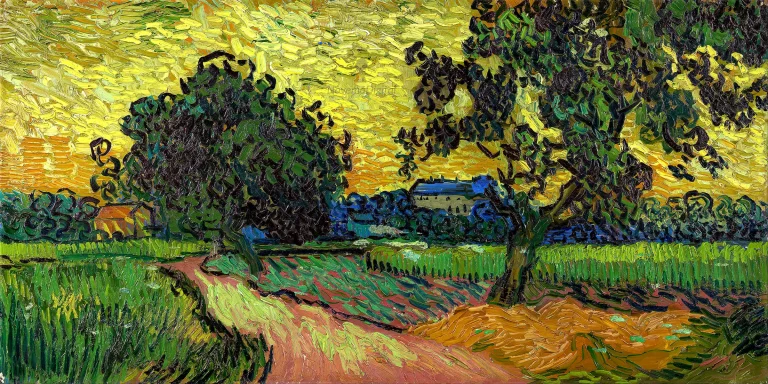
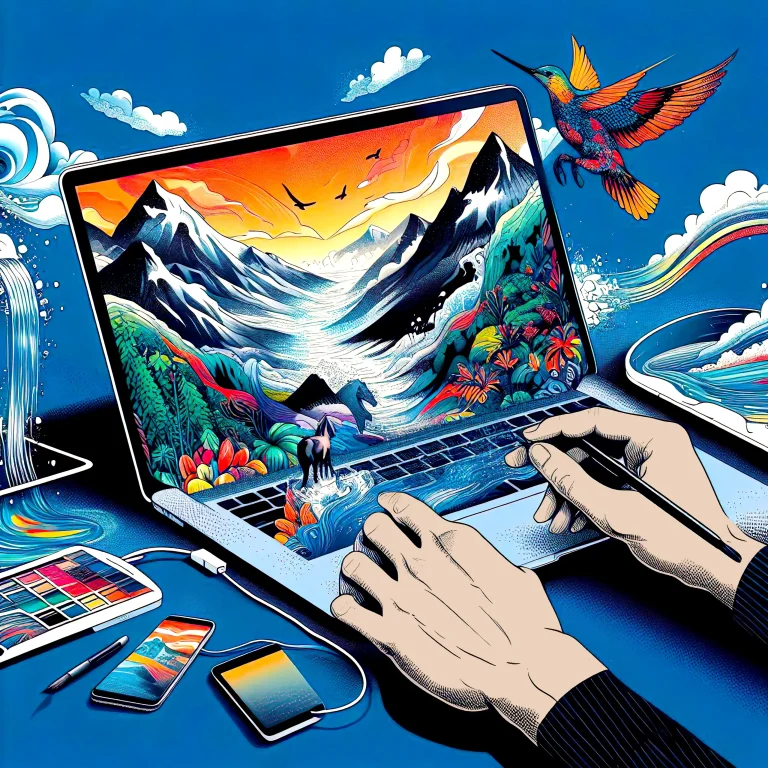
Digital artists make art. They use computers and special graphic software tools. This lets them do new things in their artwork, like using layers or adding cool effects you can’t get with physical paint. Digital painters can also easily fix mistakes and try many ideas without wasting materials.
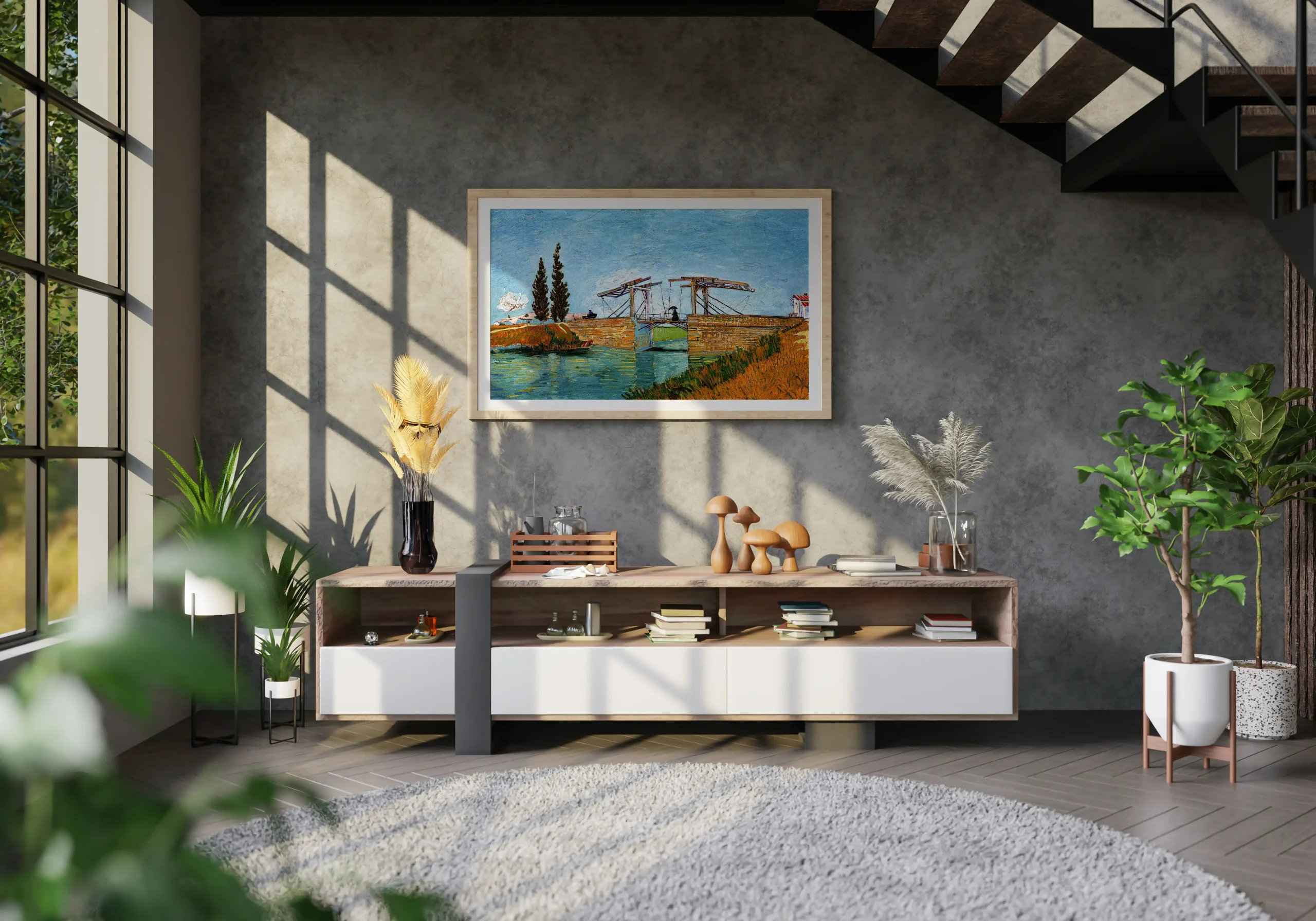
They also help people decorate their homes modernly by creating printable digital paintings. These artists offer files that you can download right from your own home. You can then print these artworks yourself! This makes it easy to pick a size, frame style, and more, making the artwork truly yours.
The Impact of AI on Art and Artists
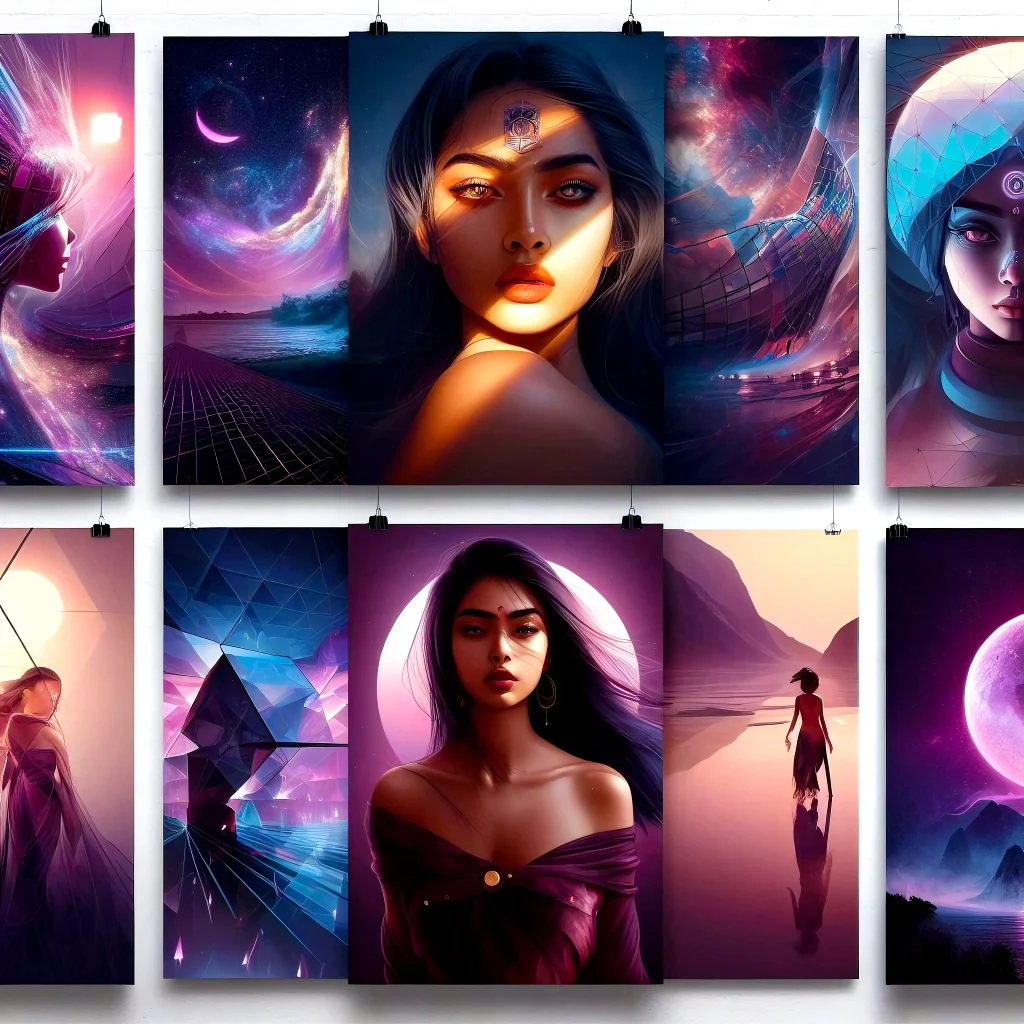
AI changes how artists make art and can help them create new types of digital artwork, enabling them to explore more ideas and styles.
Some programs can learn an artist’s style and create new pieces in that style. But this does not mean artists will lose their jobs to machines; instead, they work together to make unique art!
The process is simple but exciting. With some prompts and a click or two, the computer creates art using information it learned from other works of art. This opens new ways for artists to express themselves. This wave of change goes beyond making cool pictures on a screen, though. AI has also made printing digital prints faster and easier than ever before.
So, we see that the role of AI in art and artists’ lives is significant and still growing daily! As technology improves, who knows what amazing things we’ll see next in our world.
How to Get Started with Digital Painting
To start with digital painting, you’ll need essential hardware and software such as a computer or tablet and programs like Photoshop or Sketchbook Pro for Mac. Once you have the tools, learn the basics of digital painting and start building your portfolio to showcase your work.
Essential Hardware and Software
You’ll need some essential hardware and software to get started with digital painting. First, you’ll need a computer or laptop with enough processing power to handle the demands of digital art. It’s also helpful to have a graphics tablet or pen display that allows you to draw directly onto the screen for more precise control. As for software, many options are available depending on your preferences and budget. Popular choices include Adobe Photoshop, Sketchbook Pro for Mac, and various software plug-ins like Perfect Resize or Blow Up that help enhance image quality.
These programs allow you to easily create, edit, and manipulate digital artwork.
Learning the Basics
Learning the basics of digital art is like embarking on a captivating journey into a realm of boundless creativity. At its core, it involves mastering the fundamental tools and techniques that enable artists to craft their visions using digital mediums. Understanding concepts such as layers, brushes, and blending modes lays the foundation for creating intricate and layered compositions. Familiarity with software platforms like Adobe Photoshop, Corel Painter, or Procreate is essential, as they serve as the virtual canvas where imagination takes shape.
Grasping the nuances of color theory and perspective opens a world of possibilities, allowing artists to convey emotions and depth accurately. As one delves into this realm, they uncover the art of digital sketching, painting, and manipulation, honing their skills to bring ideas to life with a click of the mouse or a stroke of the stylus. With practice and dedication, the world of digital art becomes a playground for innovation, where each creation is a testament to the artist’s evolving mastery of this dynamic medium.
Diverse Forms of Digital Art
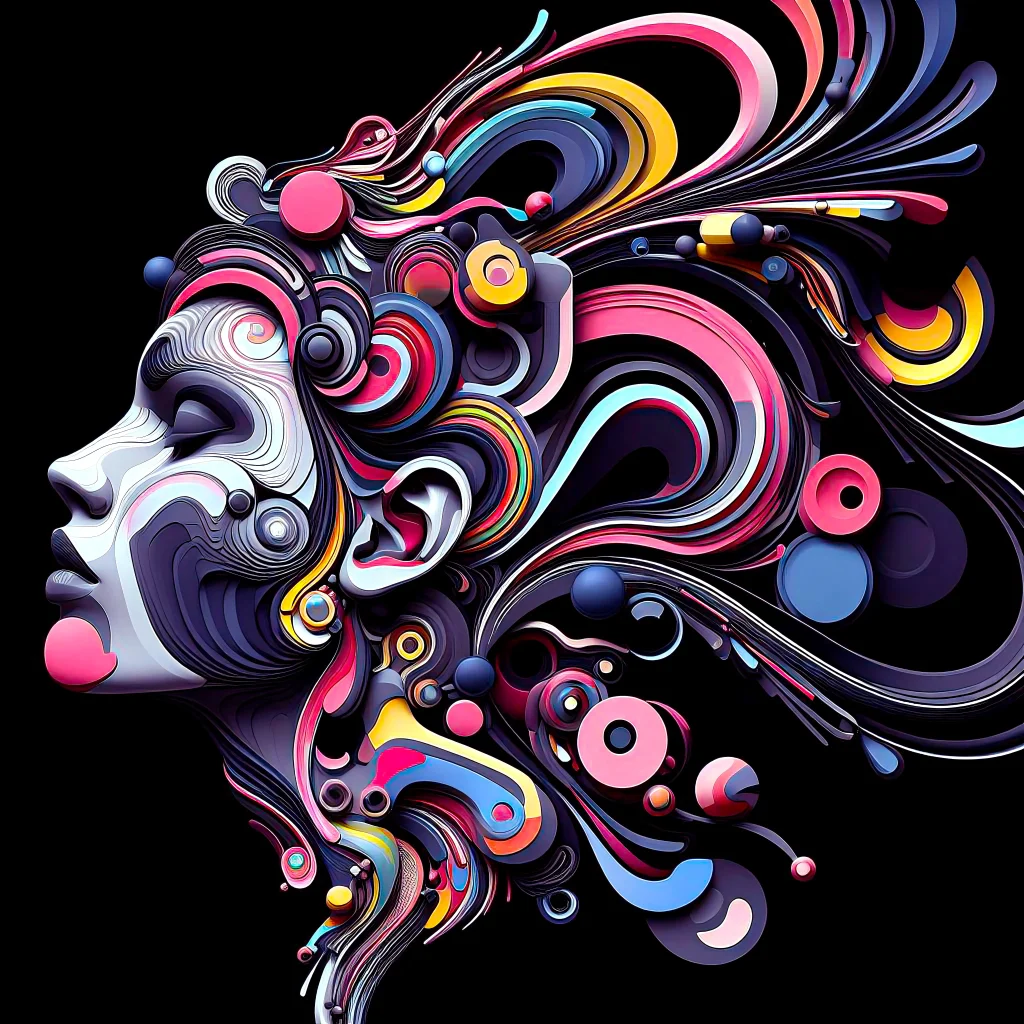
Digital art encompasses a wide array of styles and forms, each with its unique characteristics and techniques. Some of the most prominent forms include:
1. Pixel Art
• Pixel art involves creating images pixel-by-pixel, often with limited color palettes. It gained popularity in early video games and has since become a beloved form of digital expression.
2. Digital Painting
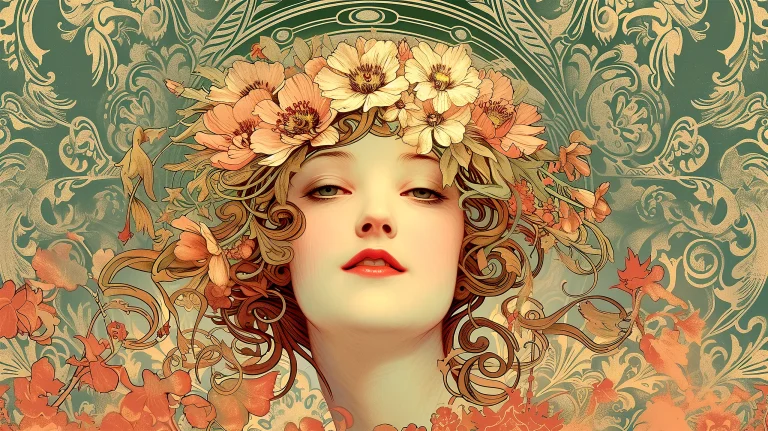
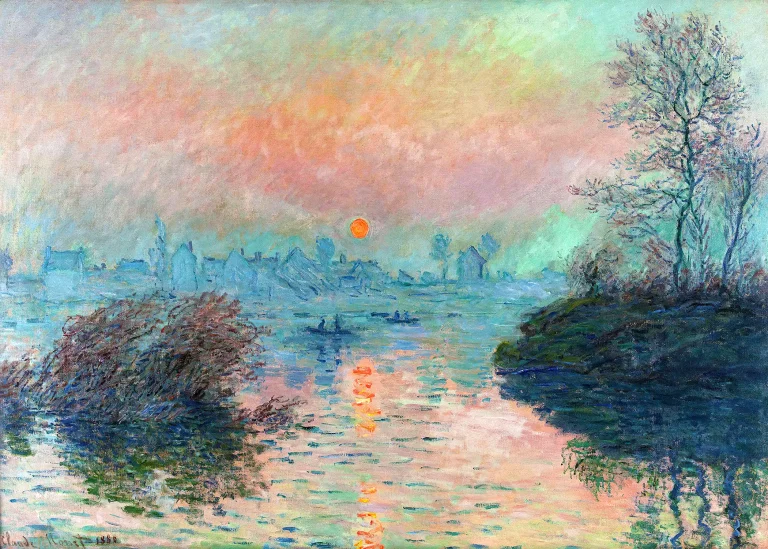
• This form mirrors traditional painting techniques but uses digital tools like graphic tablets and specialized software. Artists can mimic the look of various conventional mediums like oil, watercolor, and acrylic.
3. Vector Art
• Vector graphics use mathematical equations to define shapes and lines, allowing for infinitely scalable images without losing quality. This is commonly used in logos, illustrations, and graphic design.
4. 3D Modeling and Rendering
• Artists create three-dimensional objects and scenes using specialized software. This form of digital art is integral to industries like animation, video games, architecture, and visual effects.
5. Generative Art
• Generative art involves creating algorithms or systems that produce images autonomously. The artist sets the parameters, and the computer generates the artwork based on those instructions.
Prominent Digital Artists
Several artists have made significant contributions to the digital art movement, pushing boundaries and redefining the artistic landscape. Some notable figures include:
1. Manfred Mohr
- Known for his pioneering work in algorithmic art, Mohr’s creations are generated through mathematical procedures, producing intricate geometric compositions.
2. Yoko Honda
- Honda’s vibrant and nostalgic digital illustrations often draw inspiration from 80s and 90s pop culture, creating a unique blend of retro-futuristic aesthetics.
3. Beeple (Mike Winkelmann)
- Beeple gained international recognition for his digital art, particularly for his series of everyday digital creations, which he has been consistently producing for over a decade.
4. Casey Reas and Ben Fry (Processing Foundation)
- These artists developed the open-source software platform Processing, which enables artists to create generative art and interactive installations through coding.
5. David Holz
· Founder of Midjourney, a software now used by 16+ million people and can produce stunning AI-generated art from just a few text prompts.
The Future of Digital Art: NFTs
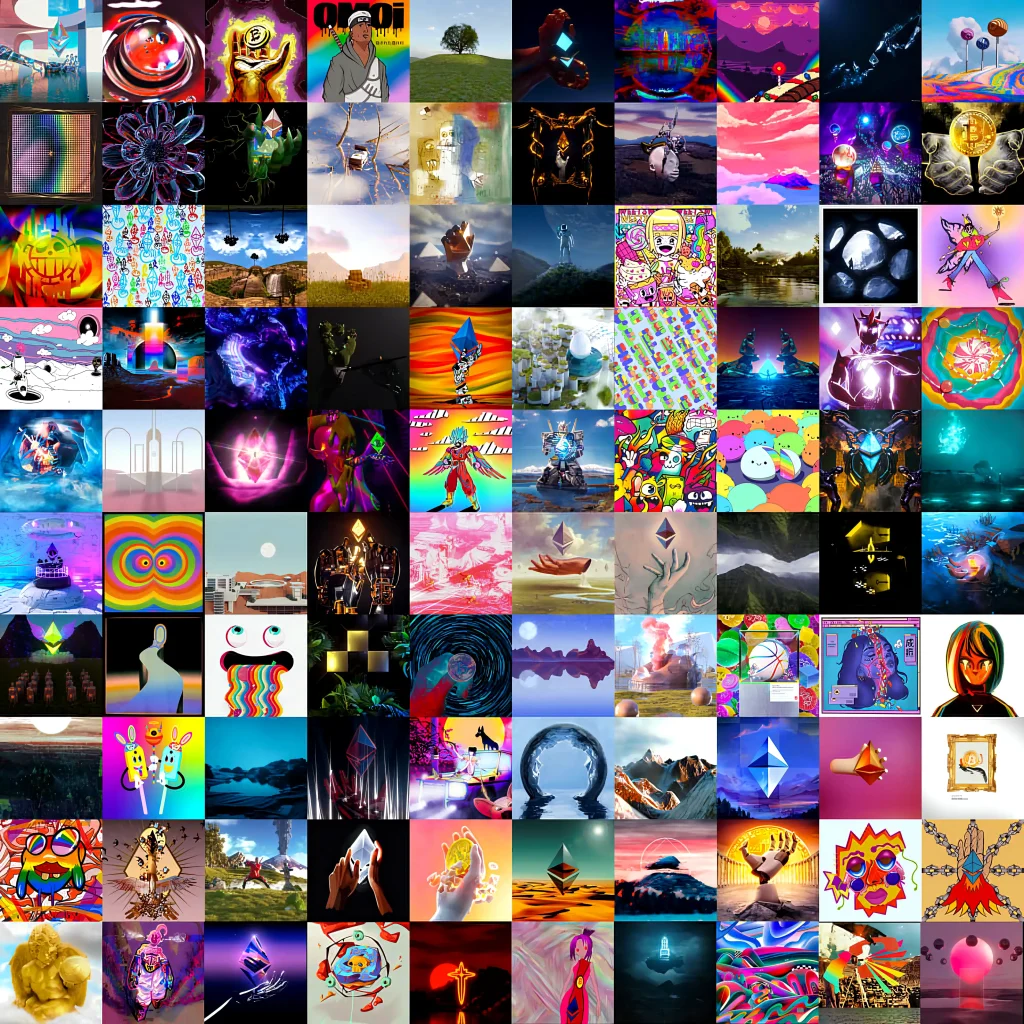
In the future, digital art is poised to make a significant impact with the rise of NFTs (non-fungible tokens), which allow artists to sell their unique digital creations and provide proof of ownership on blockchain platforms.
What are NFTs?
NFTs, or non-fungible tokens, are unique digital assets representing ownership or proof of authenticity for a specific piece of digital content, such as artwork. They have gained popularity in the art world because they allow artists to sell their digital creations directly to collectors without going through traditional intermediaries.
NFTs use blockchain technology to ensure secure and transparent records of ownership and transaction history. What makes NFTs unique is their scarcity and uniqueness, which adds value and makes them attractive to collectors.
This has created new opportunities for artists to monetize their digital creations and reach a global audience.
How to Sell Digital Art as NFTs
Selling your digital art as NFTs is an excellent way to showcase your talent and earn money. Here are some steps to get started:
- Create your digital artwork: Use software like Photoshop or Sketchbook Pro for Mac to create high-quality digital art files.
- Choose a platform: Research NFT marketplaces like OpenSea, Rarible, or SuperRare, where you can list and sell your digital art.
- Set up a wallet: Create a cryptocurrency wallet compatible with your chosen marketplace. This will allow you to receive payments in cryptocurrency for your NFT sales.
- Mint your artwork: Minting means creating a unique token for your artwork on the blockchain. This process verifies its authenticity and ownership.
- List your NFT for sale: Upload the minted artwork to the marketplace and set a price. You can also choose whether to sell it at an auction or at a fixed price.
- Promote your NFT: Share your listing on social media platforms or online art communities to attract potential buyers.
Monitor and manage sales: Keep track of any offers or sales made on the marketplace. Once sold, transfer the ownership rights of the digital art to the buyer.
Conclusion: Impact on the Art World
Digital art has not only expanded the possibilities for artistic expression but has also democratized access to the creation and appreciation of art. Online platforms and marketplaces have emerged, providing a space for digital artists to showcase and sell their work. Additionally, virtual galleries and exhibitions have opened new avenues for artists to reach global audiences.
In conclusion, digital art represents a dynamic and evolving form of creative expression that continues to shape the art world in profound ways. With its diverse forms, influential artists, and technological advancements, the future of digital art promises even more innovation and artistic exploration. As technology continues to advance, so too will the boundless potential of digital art.