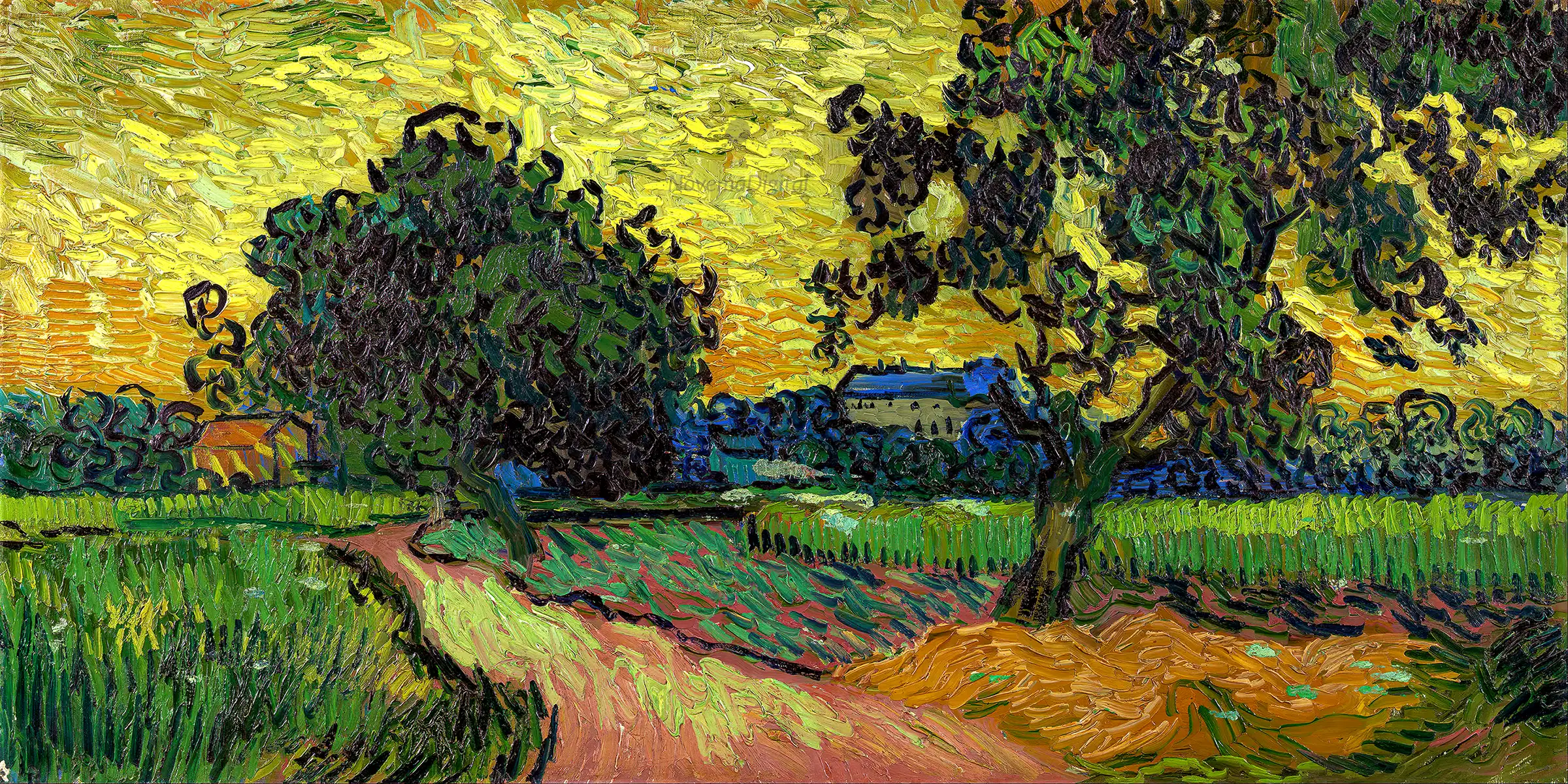
Painter Spotlight: Vincent Van Gogh
Many people today search for inspiration in the lives and works of great artists from the past. Understanding the struggles and triumphs of these creative minds often provides insight and motivation for our own journeys.
Vincent van Gogh, a name synonymous with intense emotion, vibrant color, and groundbreaking artistry, never saw the fruits of his labor during his lifetime—selling only one painting.
This fact alone is both heartbreaking and incredibly inspiring. It highlights how true passion doesn’t always follow immediate recognition but can lead to a lasting legacy long after we’re gone.
This article delves into Van Gogh’s life—from his early years to becoming one of history’s most celebrated artists—to show how determination amidst adversities can pave the way for extraordinary achievements.
Key Takeaways
- Vincent Van Gogh, born on March 30, 1853, in Zundert, a small village in Brabant, was a Dutch artist famous for vibrant works and emotional depth. Despite facing mental illness throughout his life, he never stopped painting and created around 900 paintings in just over a decade.
- Van Gogh started his career as an art dealer before becoming a full-time artist. He is well known for experimenting with bold colors and dramatic expressions after moving to Paris. His time there introduced him to new styles that hugely influenced his art.
- Although he only sold one painting during his lifetime, Vincent’s work received widespread recognition after his death on July 29th, 1890. The establishment of the Van Gogh Museum in Amsterdam has played a crucial role in celebrating his legacy by housing more than 850 of his paintings.
- His artistic phases included the Dutch period, focusing on rural life scenes; the Paris period, where he embraced Impressionism and Post-Impressionism; and the Arles period, marked by productivity and creativity using bright yellows to convey warmth.
- Vincent’s unique style influences modern artists today through the use of vibrant colors and expressive brushwork, which sparked movements like Expressionism and Fauvism. His approach challenges artists to push boundaries in showing beauty, emotionality, and individuality.
Who was Vincent Van Gogh?
Vincent Van Gogh was a renowned Dutch artist known for his vibrant works and emotional depth. His art became famous for its bold colors, dramatic expressions, and innovative techniques.
Despite facing mental illness throughout his life, Van Gogh’s passion for painting never waned. He created around 900 paintings in just a decade—showcasing his prolific talent and dedication.
Van Gogh’s journey began in the small town of Gogh, where he was born into a family with deep religious roots. His brother Theo played a crucial role in Vincent’s career by providing unwavering support and belief in his vision.
Tragically, Van Gogh struggled to find acceptance during his lifetime, but today, he stands as an iconic figure in the world of modern art. Let’s delve into the early years that shaped this tormented genius.
Early Life of Vincent Van Gogh
Vincent Van Gogh was born into a world far from the vibrant swirls of paint he would one day make famous. His early years, steeped in the quiet fields of the Netherlands, laid the groundwork for a journey into art that would redefine creativity itself.
Birth and childhood
Vincent van Gogh entered the world on March 30, 1853, in Zundert, a small village in Brabant. He was the first of six children born to a Protestant pastor and his wife, who came from a prosperous family background.
Raised in an upper-middle-class setting—his father serving as a minister—they lived a life marked by religious devotion and societal expectations. From an early age, Vincent showed signs of deep thoughtfulness and sensitivity.
His artistic talents began to emerge as he developed a profound connection with nature and the landscapes around him. These early years were instrumental; they laid the foundation for his unique approach to art that would captivate the world.
The household’s strictness and austerity did not dampen Van Gogh’s creativity but instead fueled his introspective nature. Growing up in the southern Netherlands imbued him with values and perspectives that profoundly influenced his work later on.
The contrasts between light and shadow, themes of struggle, and resilience found within nature—these elements resonated with Vincent even as a child. His upbringing also instilled an appreciation for hard work and perseverance—an ethos he carried throughout his tumultuous journey into artistry.
Early interests and influences
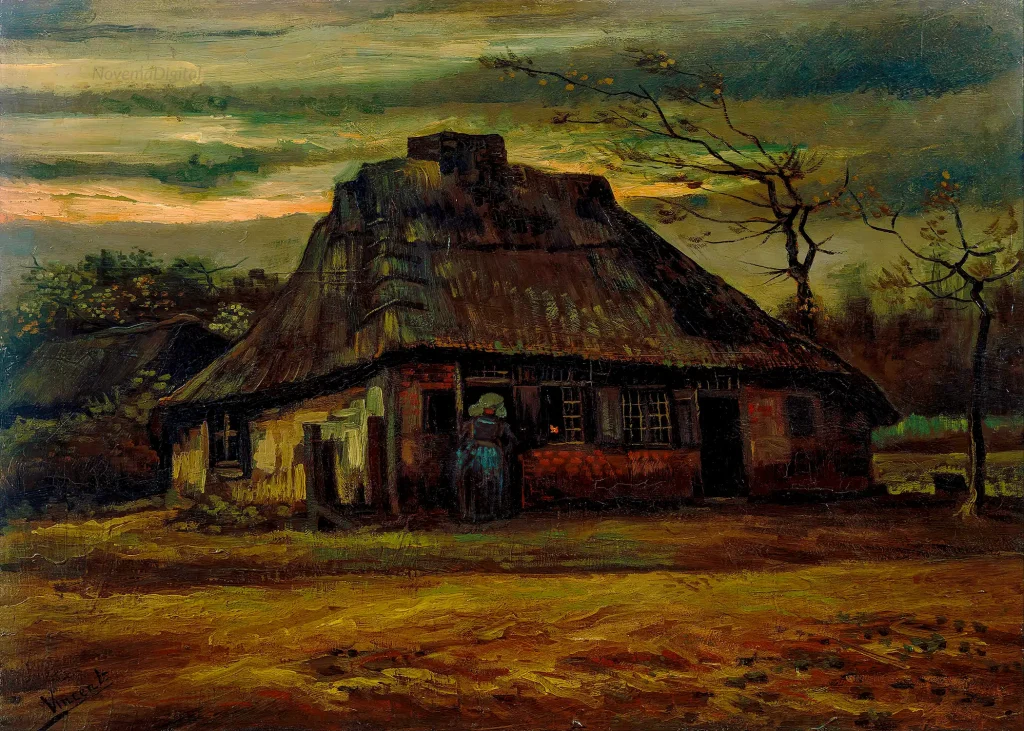
Van Gogh grew up admiring the Barbizon artists. Jean-François Millet, known for his depictions of rural life, particularly influenced him. He loved Dutch genre painting and sought to mirror the realism in Millet’s works and those of similar artists.
This admiration shaped his early visions as an artist, focusing on capturing the essence and struggles of peasant life.
His interest didn’t stop at just observation. Van Gogh actively pursued these themes in his early sketches and paintings. The realist philosophy of portraying life as it is became a cornerstone of his work, setting the stage for his journey into artistry.
His move towards becoming an artist was fueled by these early passions and influences, marking a transition from observer to creator.
Van Gogh’s Journey to Becoming an Artist
Van Gogh started his art career not by holding a paintbrush but by working behind the scenes as an art dealer. His passion for art kindled there, eventually guiding him towards creating his own masterpieces.
Initial jobs and roles
Vincent first entered the professional world at Goupil & Cie., an art dealership. His role involved selling artworks to customers, which introduced him to the commercial side of art.
This job helped shape his understanding of what people liked and how art was marketed.
After seven years with Goupil & Cie., Vincent decided to leave. He felt a strong pull towards creating rather than selling art. This decision marked the beginning of his transition from being an art dealer to becoming a full-time artist, setting the stage for his bold and expressive works.
Transition to art
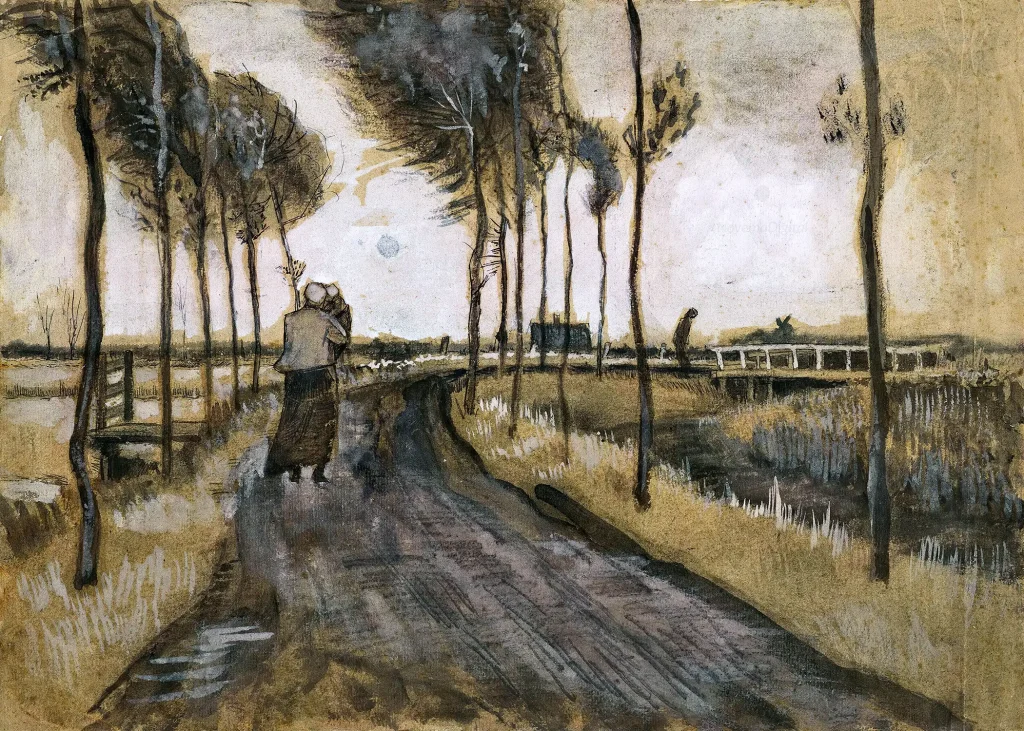
Leaving various jobs, Van Gogh finally embraced his true passion for art. He began by zealously copying prints and studying drawing manuals. This self-taught period was crucial as it laid the foundation for his artistic development. His next step was pivotal; he started to express the inner spirituality of man and nature through his work. This approach marked a significant shift in what he painted and how he saw the world.
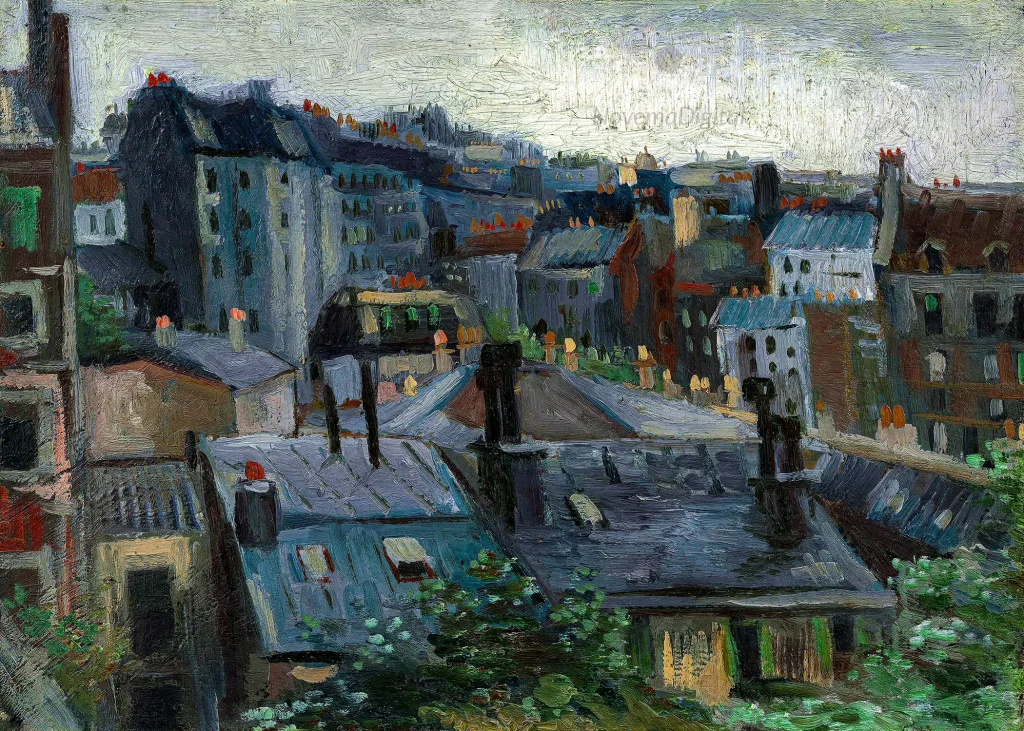
His move to Paris introduced him to new ideas that challenged his views on painting. Interactions with artists like Paul Gauguin and exposure to different art movements fueled a significant transformation in his style.
The city’s vibrant scenes and innovative artistic community influenced him profoundly, leading to a unique fusion of style and content in his creations.
First steps as an artist
Vincent Van Gogh decided to pursue his art seriously after failing in three different careers by 1878. His journey into the world of painting began under the guidance of his cousin by marriage, Anton Mauve, a recognized artist from The Hague.
This mentorship was crucial; it marked the transition from an uncertain path to one filled with purpose and passion for Vincent. He dove into learning techniques that would later define his work, investing time to improve his drawing skills as he felt they were not up to mark.
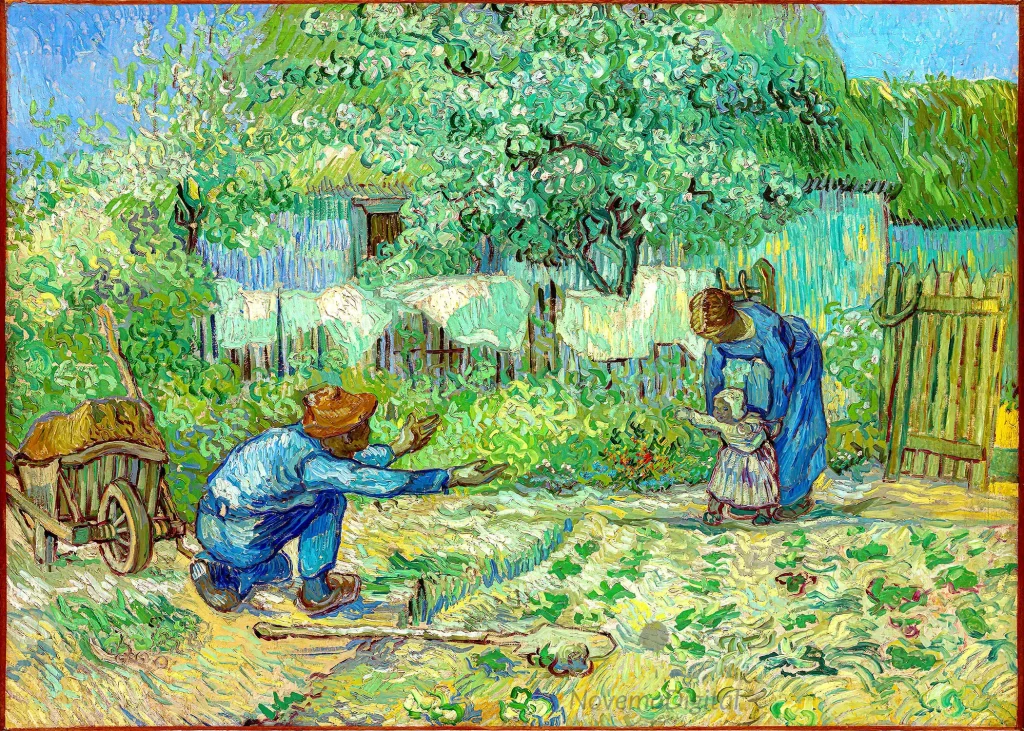
His commitment led him to complete “First Steps, after Millet” in 1890—a Post-Impressionist piece showcasing twenty-one versions of this artwork alone. This persistent dedication was evidence of Van Gogh’s desire to refine his craft continually.
Each brushstroke carried the weight of his ambitions, signaling the beginning of a legacy that would transcend time and influence generations long past his era.
Key Artistic Phases and Works
Vincent Van Gogh journeyed through various creative periods, painting everything from the dark hues of Dutch life to the bright, swirling skies of Arles—each masterpiece holding a story that continues to captivate art lovers.
Dutch period
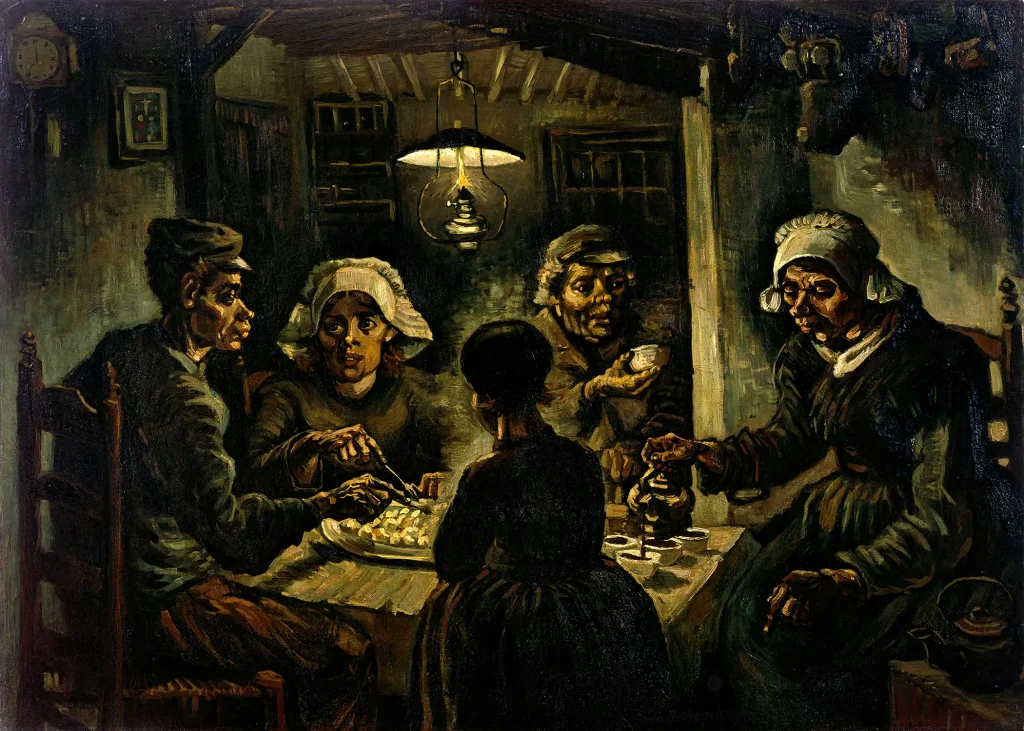
During the Dutch period, Van Gogh found inspiration in the countryside of his homeland. This era showcased his early works, heavily influenced by rural life and labor scenes. He produced pieces like “The Potato Eaters,” capturing the raw and somber lives of peasants.
The stark realism and use of earthy tones echoed the traditions of Dutch Golden Age painting.
His work from this time reflects a deep connection with ordinary people and their struggles. Through paintings such as “Peasant Character Studies,” he explored themes related to hard work and hardship.
His technique began to evolve, laying the groundwork for his later, more colorful styles.
Paris period
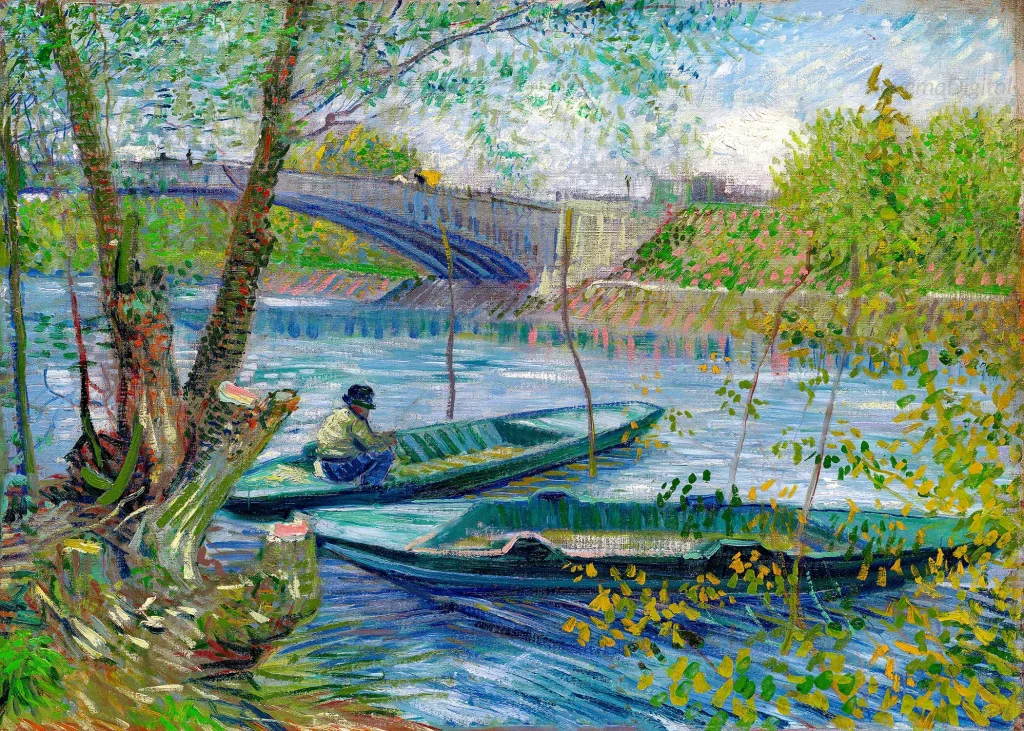
Vincent Van Gogh’s two-year stay in Paris marked a pivotal change. His art took on a modern flair, weaving him into the fabric of French avant-garde circles. Through interactions with artists like Camille Pissarro and Georges Seurat, he soaked up the influences of Impressionism and Post-Impressionism.
This exposure led him to experiment with lighter palettes and new brushwork techniques, reshaping his approach to painting.
His time in Paris introduced him to key members of the artistic community, including Henri de Toulouse-Lautrec and Paul Signac. Their work encouraged him to embrace color more fully, moving away from the darker tones that dominated his early pieces.
These experiences in Paris were crucial for developing his signature style that defined his later works, filled with vibrant landscapes and emotional depth.
Arles period
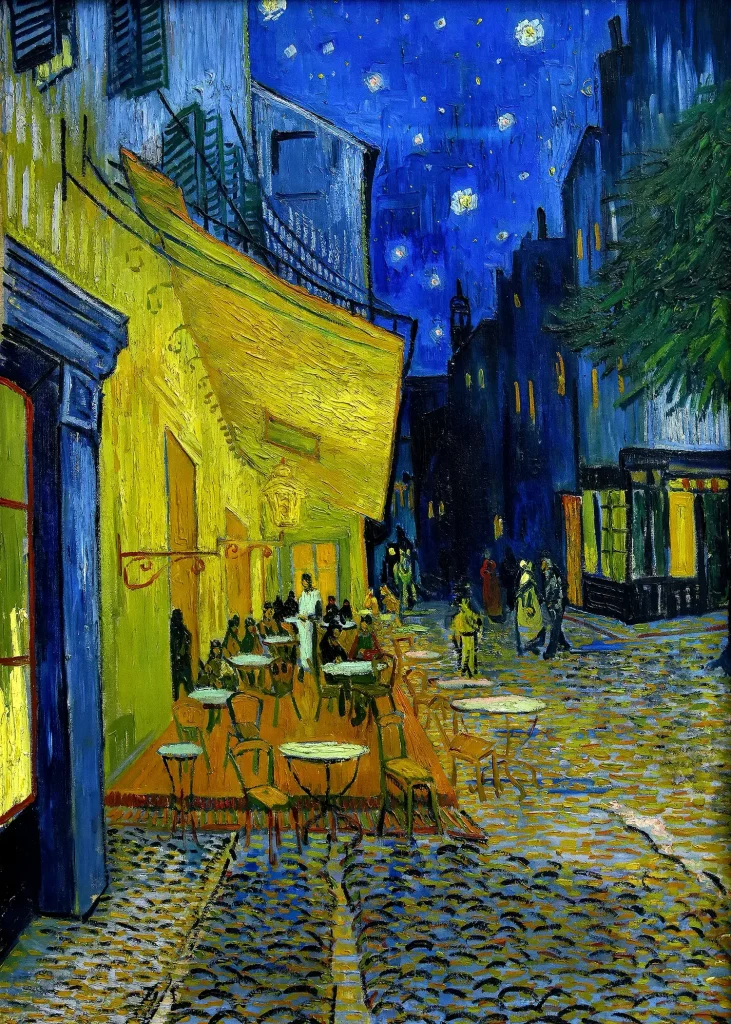
During his Arles period, Vincent van Gogh tapped into an incredible burst of creativity. He filled canvas after canvas with vibrant scenes from the area, making prolific use of yellow to bring warmth and light into his work.
This time was marked by a significant evolution in his artistic style and technique, as he painted with a sense of urgency that brought many of his best-known works to life.
Living in the Yellow House and working alongside Paul Gauguin for a while, Van Gogh’s productivity soared. He created numerous paintings and drawings that captured the essence of Arles, experimenting with colors and brushwork in ways he never had before.
This period stands out as the most creative phase of his career, highlighting both his passion for art and the impressive development of his unique style.
Major series: Self-portraits, Landscapes, Flowers and Blossoms
Vincent van Gogh created masterpieces that touched the hearts of many. He painted 36 self-portraits, captivating landscapes, vibrant flowers, and blossoms in his brief yet prolific career.
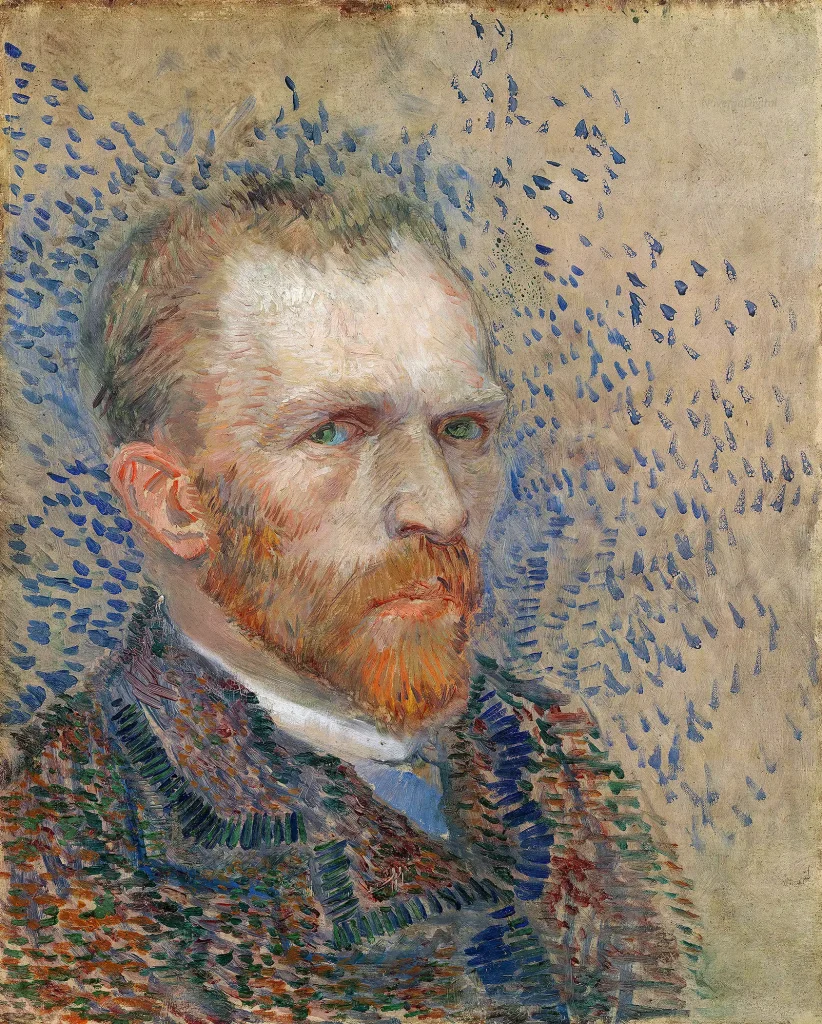
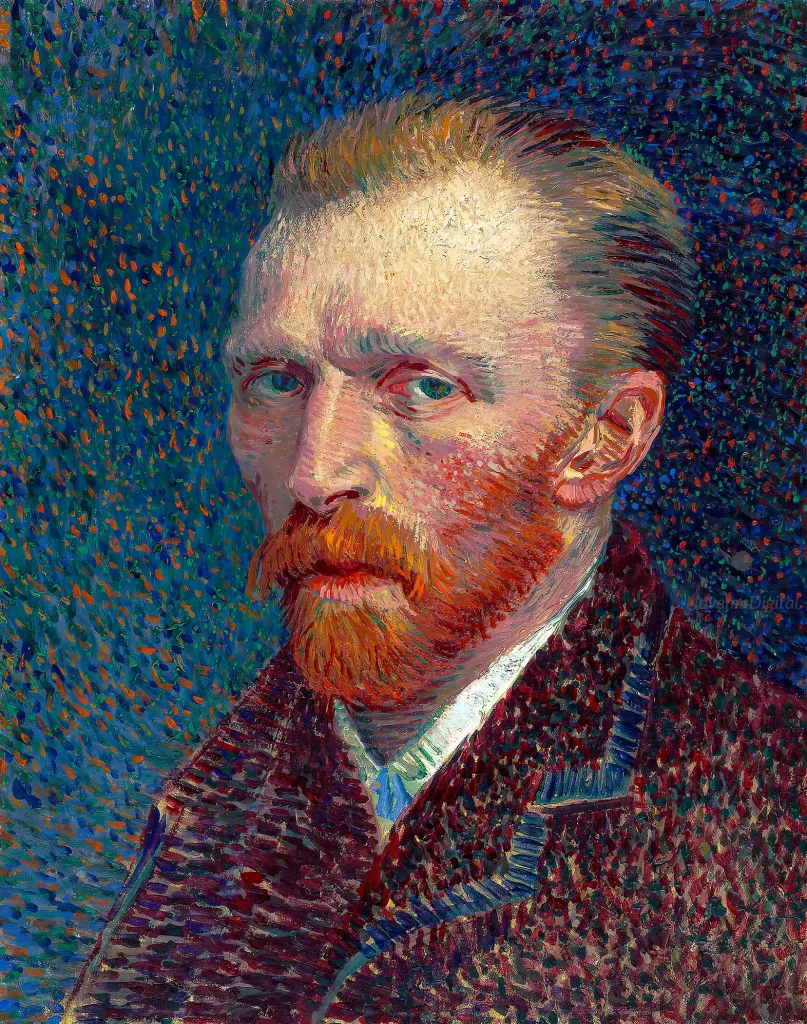
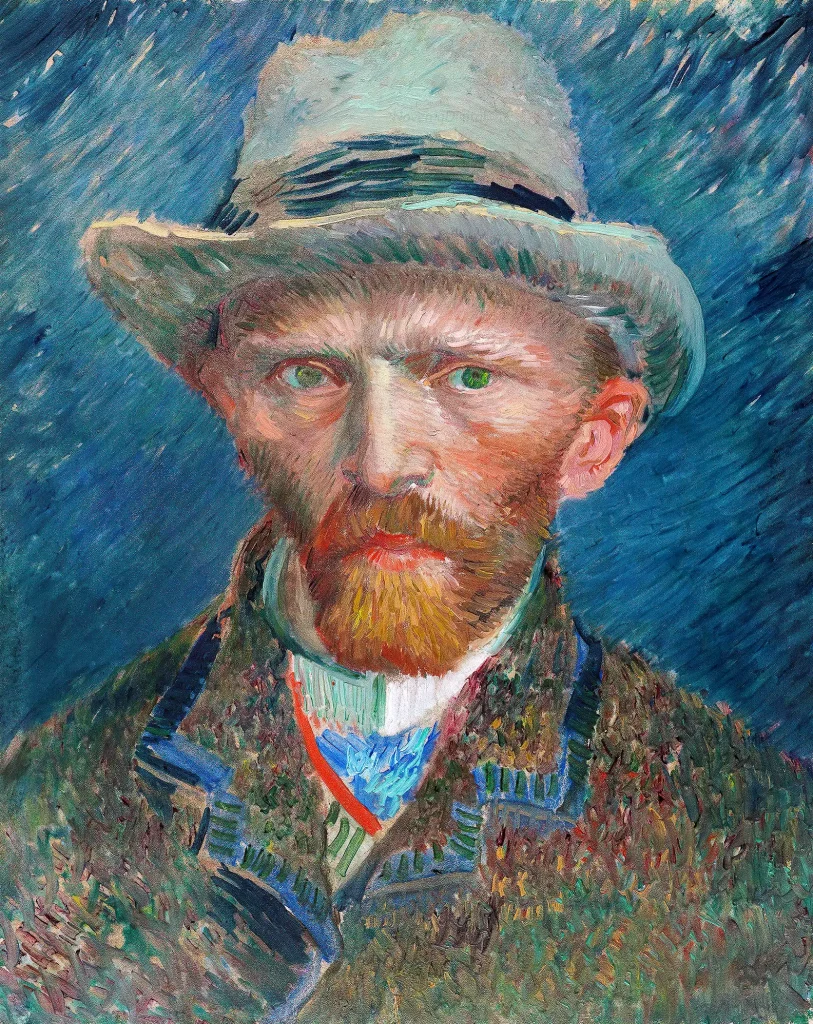
- Self-Portraits: Van Gogh’s journey into self-discovery led him to paint 36 self-portraits in a decade. Each piece, painted in a different style, offers a glimpse into his soul, revealing deep emotions and a quest for identity. The majority were completed in Paris from 1886 – 1888, showcasing the evolution of his style from somber tones to vibrant hues.
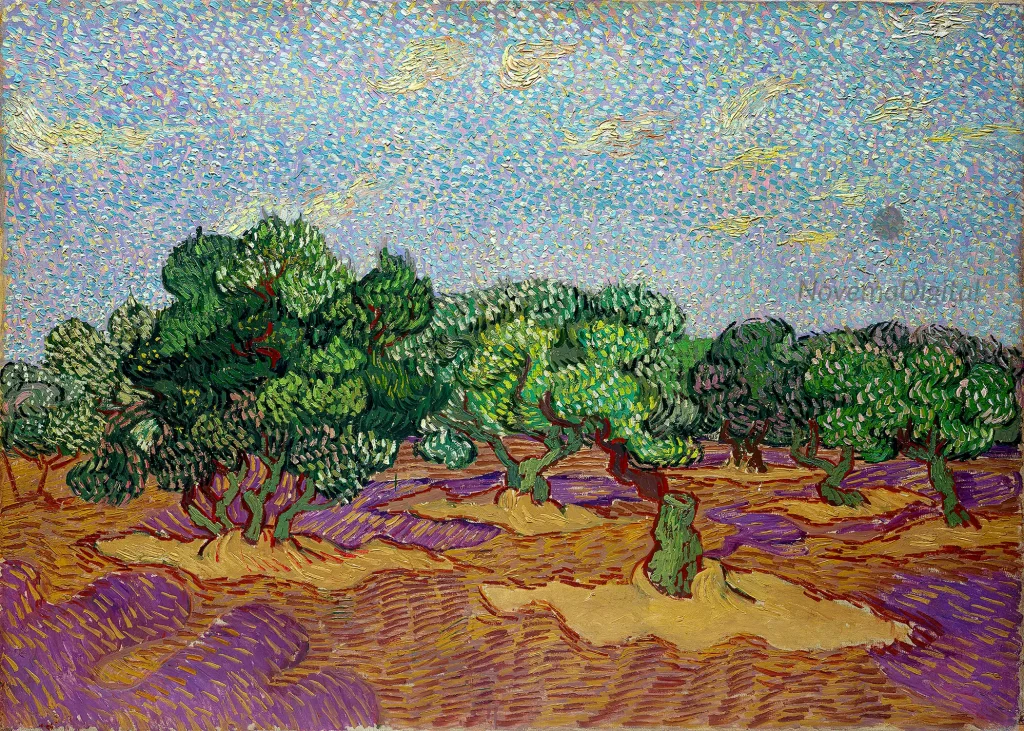
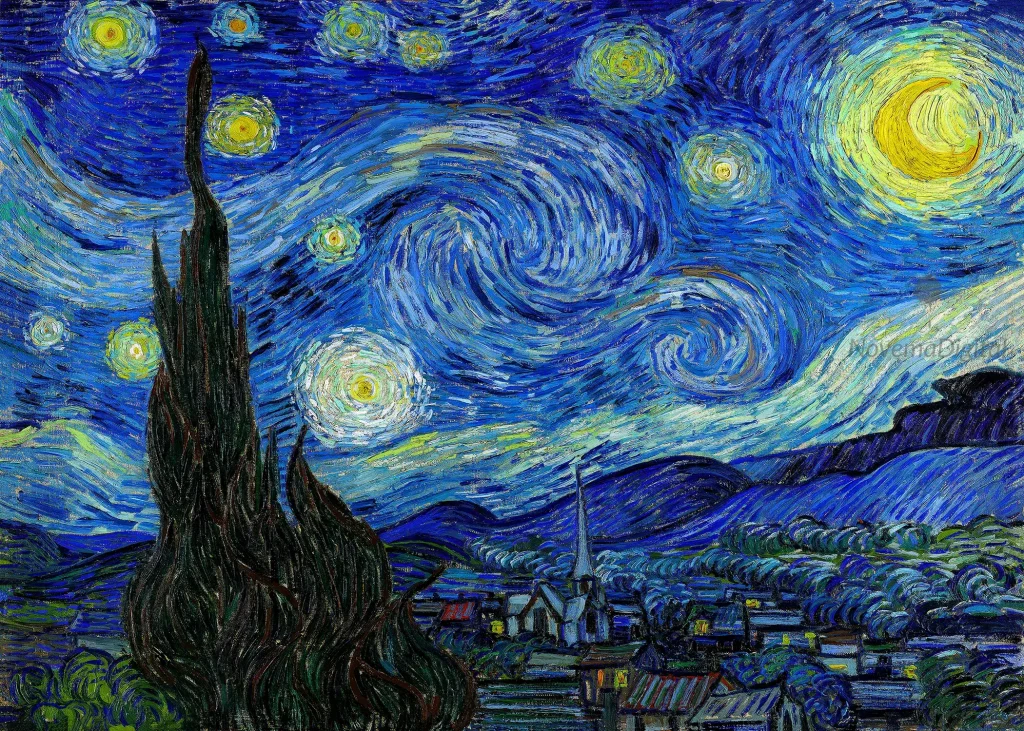
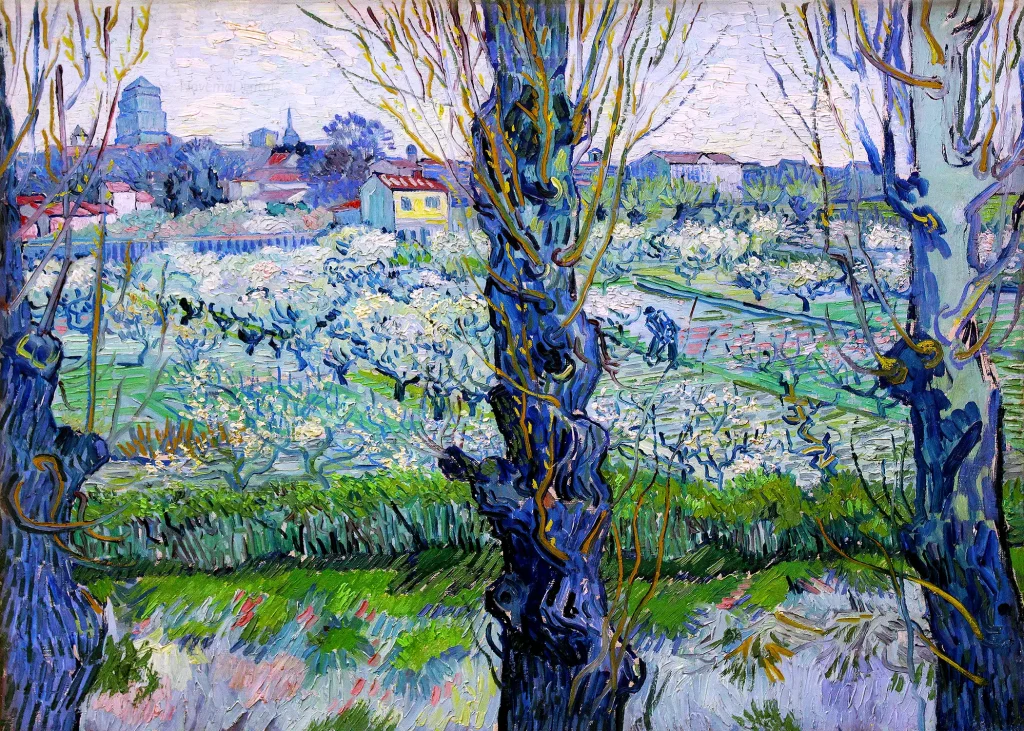
- Landscapes: He found solace in nature, translating serene and tumultuous landscapes onto canvas with fervent strokes.”Starry Night” and “Wheatfield with Crows” stand as testaments to van Gogh’s genius, portraying swirling skies and golden fields with emotional depth and dynamic movement.His works from Saint – Rémy and Arles capture the essence of rural life, filled with olive groves, wheat fields, and starry nights.
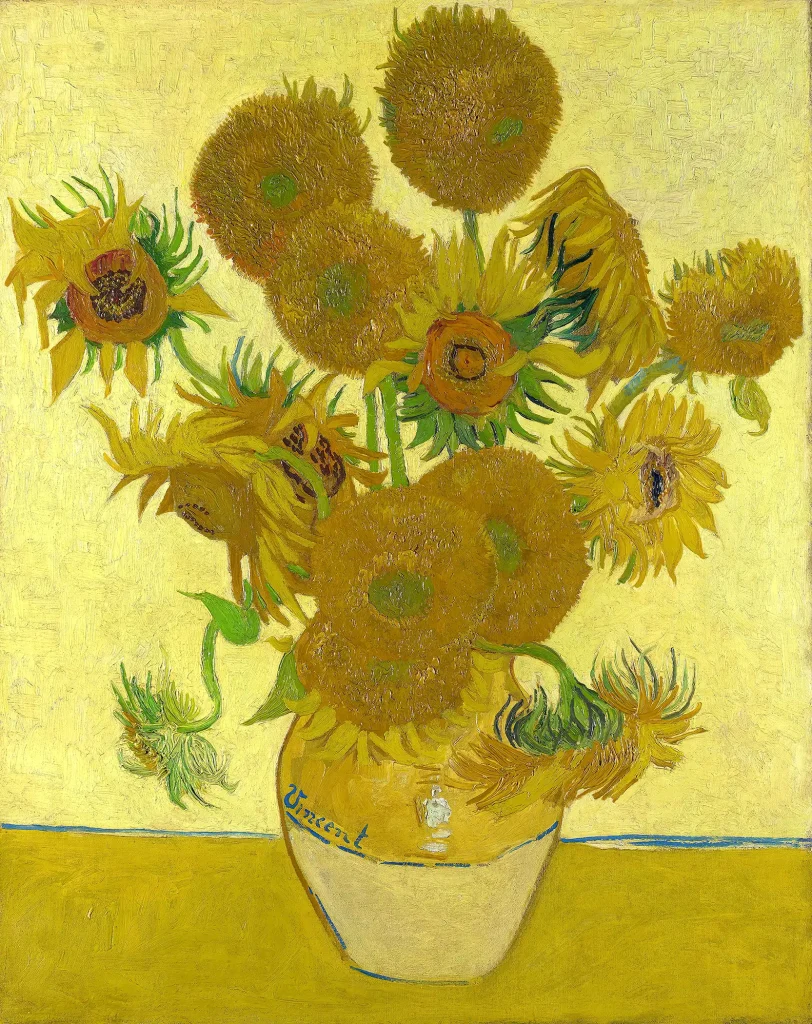
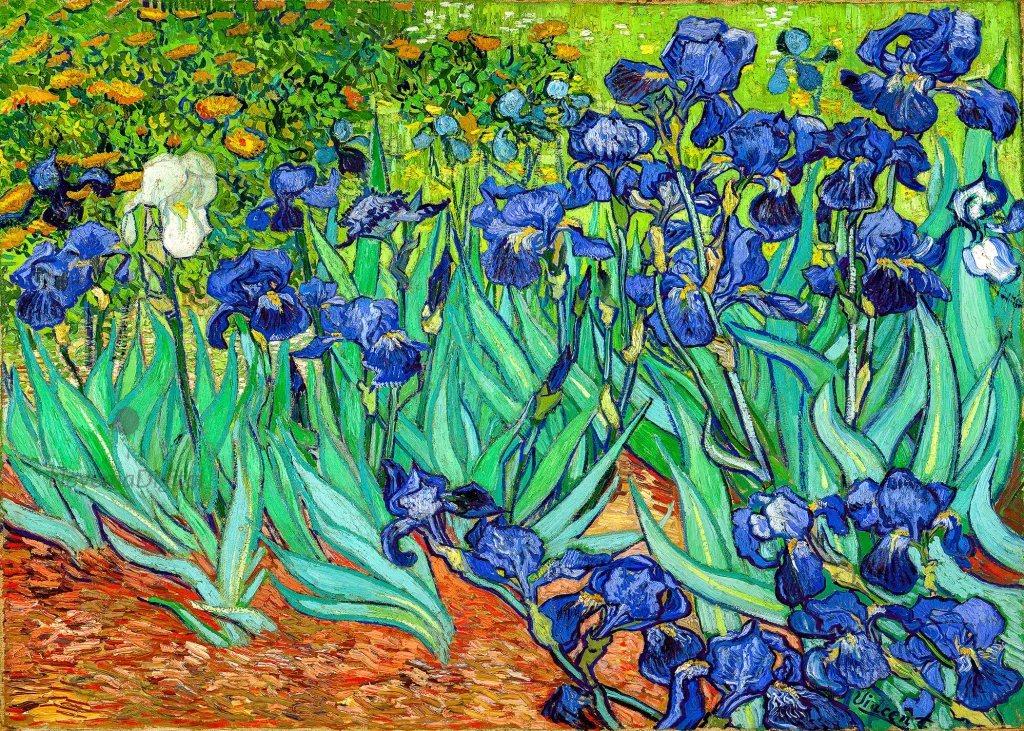
- Flowers and Blossoms: Van Gogh’s fascination with flowers brought us some of his most beloved works. “Sunflowers” embody joy with their bright yellow petals radiating warmth.Almond blossoms against clear skies signify hope and renewal—a gift for his nephew.His numerous paintings of irises and roses reflect his mastery of color and a profound appreciation for beauty’s fleeting nature.
Van Gogh’s Unique Artistic Style and Technique
Vincent Van Gogh revolutionized painting with his bold use of color and dynamic brushwork. His techniques gave birth to a new era in art, capturing emotions and the spirit of the times like never before.
Post-impressionism and symbolism
Post-impressionism marked a bold departure from the fine brushwork and light colors of Impressionism. Artists like Vincent van Gogh, Paul Cézanne, and Paul Gauguin led this movement.
Their work sought to convey deeper emotional resonance, using vivid colors and dynamic brushstrokes. This shift allowed for more personal expression and laid the groundwork for modern art.
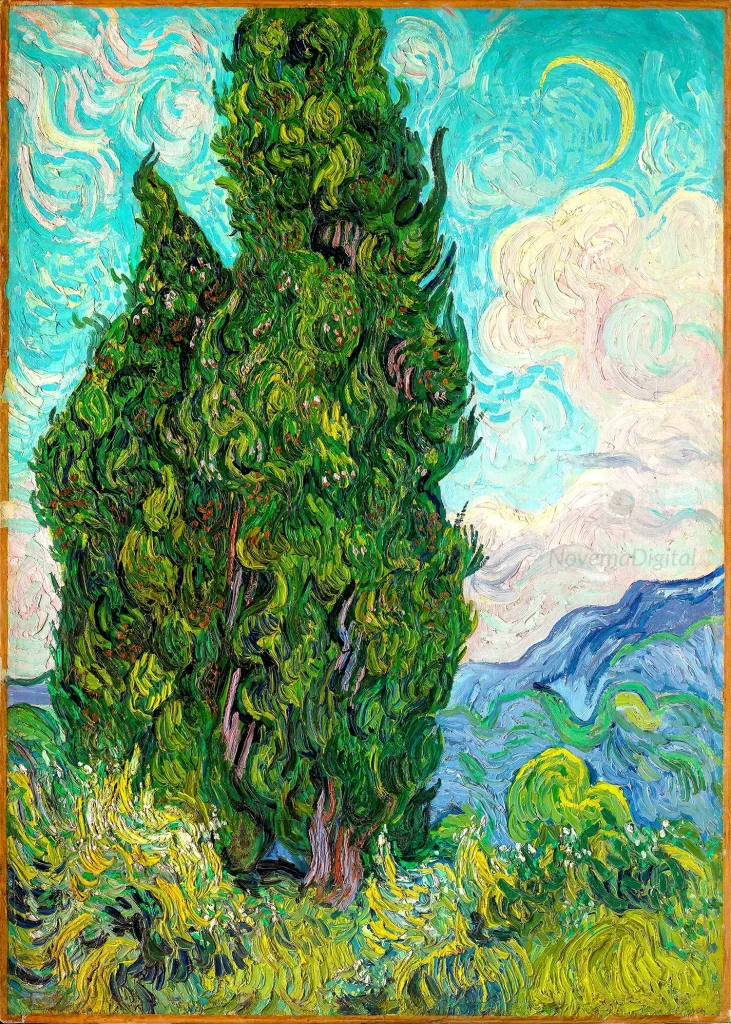
Symbolism also played a crucial role in Van Gogh’s work. He chose subjects that carried special meanings—a starry night representing eternity or cypresses symbolizing death and life.
Through symbolism, he communicated feelings of hope, despair, love, and loneliness. His use of color intensified these themes—bright yellows for warmth or deep blues for melancholy—making each painting an intimate glimpse into his world.
Use of color and brushwork
Building on his post-impressionist roots, Van Gogh developed a striking use of color and brushwork that set his art apart. He chose vivid colors, moving away from the dark and earthy tones like olive and sienna that marked his earlier work.
His palette brightened with symbolic colors to express deep emotions in scenes from nature to night skies over Arles. Each painting pulses with energy due to his impulsive application of paint.
Van Gogh’s technique involved choppy brushstrokes and wavy lines, adding a dynamic quality to static subjects. This approach allowed him to infuse landscapes, self-portraits, and still life with intense feelings and movement.
His unique style reflects an inner world through expressive lines and bold use of color—hallmarks that have inspired countless artists across generations.
Van Gogh’s Struggles and Challenges
Van Gogh fought hard with his mind, often feeling lost and misunderstood. Even with towering talent, acceptance eluded him, casting long shadows over his colorful journey.
Relationship with mental illness
Vincent Van Gogh’s life was deeply intertwined with his battle against mental illness. Experts often suggest he had bipolar disorder, a condition marked by dramatic mood swings. His struggles didn’t end there.
He may have also faced schizophrenia, among other illnesses such as depression and anxiety. These challenges made it hard for him to navigate uncertainty about his future, contributing to feelings of loneliness.
Throughout his time in Arles, Vincent experienced severe episodes that suggest an interictal dysphoric disorder characterized by a wide range of affective symptoms. The list of possible conditions he might have suffered includes syphilis and turpentine poisoning—highlighting the complexity of diagnosing his mental health issues posthumously.
Despite these obstacles, Vincent continued to create art that would influence generations, showcasing resilience in the face of profound personal turmoil.
Struggles with self-image and acceptance
Van Gogh’s relationship with mental illness deeply impacted his view of himself and how he thought others perceived him. He battled an unstable self-image and a paralyzing fear of being left alone.
These struggles are evident in many works, including stark, emotion-filled self-portraits and vivid, sometimes solemn, still life containing personal items. Each brushstroke tells a story of a man searching for acceptance from the world and himself.
His art became a mirror to Van Gogh’s soul—a way to cope with his internal conflicts. Despite achieving little recognition during his lifetime, he poured his emotions into his paintings, hoping for understanding and connection.
This hope fueled his creative process but also deepened his sense of isolation when validation did not come as expected. Through colors and textures, Van Gogh communicated feelings that words could not capture—his silent plea for acceptance illuminated by each canvas he left behind.
Van Gogh’s Death and Legacy
Vincent Van Gogh passed away under tragic circumstances, leaving a world forever changed by his vision and creativity. His legacy lives on through masterpieces that continue to inspire and captivate audiences around the globe.
Circumstances of his death
Van Gogh died in his room at the Auberge Ravoux on 29 July 1890. After being wounded, he managed to return to his room. Unfortunately, his wounds were not treated properly, leading to complications.
His death came just two days later amid much mystery and debate over the specific circumstances surrounding it. The widely accepted narrative is that he succumbed to a gunshot wound.
The story of Van Gogh’s final days contributes significantly to discussions about the nature of his struggles and challenges as an artist grappling with personal demons. Questions linger about whether the fatal shot was self-inflicted or the result of an accident, adding layers of intrigue and speculation around one of art’s most influential figures.
Posthumous recognition and influence
Vincent van Gogh’s art became widely recognized after his death, capturing the public’s imagination as a symbol of the misunderstood genius. Despite selling only one painting in his lifetime, his profound impact on art emerged mainly due to the establishment of the Van Gogh Museum in 1973.
His story is marked by struggles with mental health and isolation, yet these elements have only heightened interest and appreciation for his work.
The founding of the Van Gogh Museum played a crucial role in elevating Vincent’s fame. It gave people worldwide access to his colorful landscapes, starry nights, and vivid self-portraits.
In the final two years of his life, avant-garde artists in Paris and Brussels began celebrating his contributions to post-impressionism and symbolism. Today, Van Gogh is not just remembered for “The Starry Night” or “Sunflowers” but as an artist who reshaped modern art despite facing personal turmoil.
Establishment of the Van Gogh Museum
The Van Gogh Museum opened its doors in Amsterdam as a tribute to Vincent van Gogh’s immense talent and troubled life. It serves as a home for over 850 of his paintings, nearly 1,300 works on paper, and various personal effects.
At the heart of this collection were the pieces originally owned by Theo van Gogh, Vincent’s dedicated brother who supported him throughout his career. This establishment honors van Gogh’s legacy and offers insight into the mind of one of history’s most influential artists.
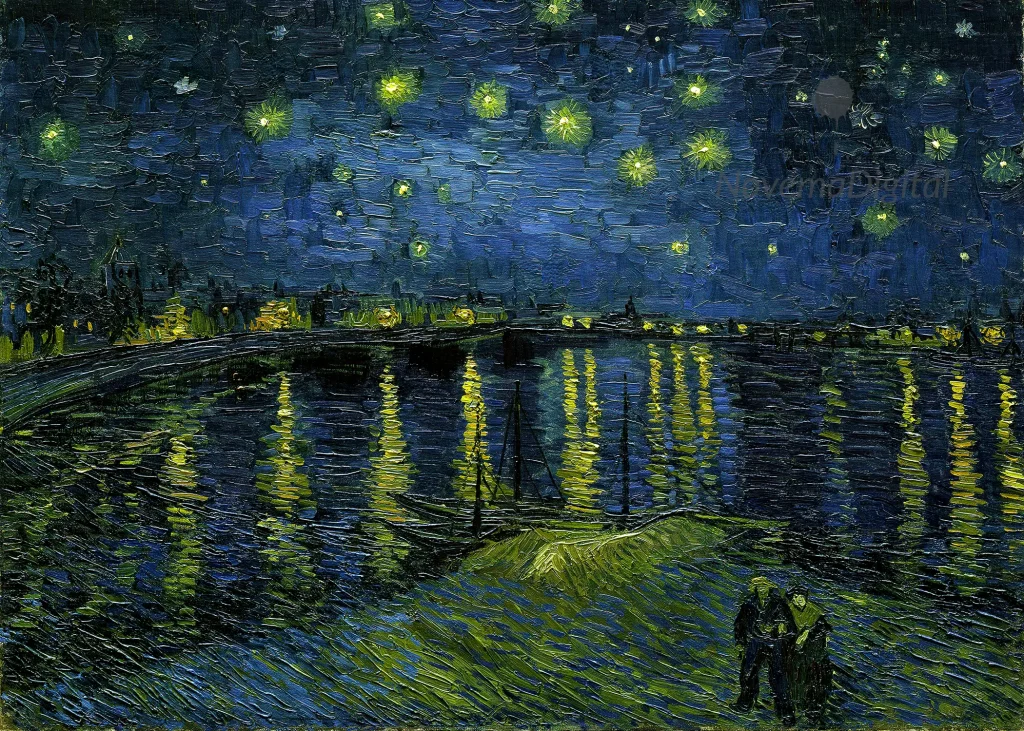
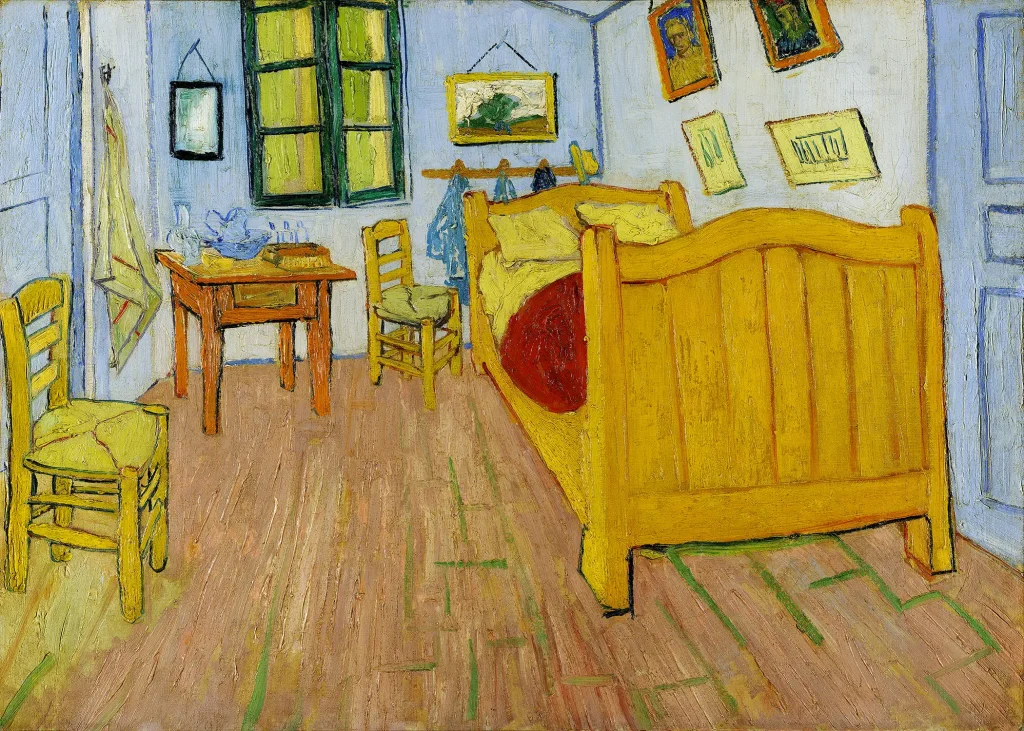
Designed to preserve and showcase Van Gogh’s artistry for generations, the museum draws visitors from all corners of the globe. They come to marvel at masterpieces such as “Starry Night Over the Rhone” and “The Bedroom,” immersing themselves in the vibrant colors and emotional depth characteristic of Van Gogh’s work.
Through this institution, enthusiasts and scholars gain access to an unparalleled archive highlighting not just Vincent’s genius but also his humanity.
Impact of Van Gogh’s Work on Art and Culture
Van Gogh’s passionate brushwork and vivid use of color have inspired generations, reshaping both the world of art and our broader cultural landscape.
Influence on 20th-century art
Vincent Van Gogh’s bold use of color and dramatic brushwork deeply influenced many art movements, including Expressionism and Fauvism. His approach to painting changed the way artists thought about color and emotion in their work.
Expressionists drew inspiration from his technique to convey deeper feelings, while the Fauves admired his vibrant palette.
His impact extended beyond these styles, touching early abstraction as well. Artists across different movements found value in Van Gogh’s methods—using them to explore new ways of seeing beauty, persona, and individuality in art.
This exploration led to significant advancements in modern painting during the 20th century.
Continuing inspiration for modern audiences
Building on his profound impact on 20th-century art, Van Gogh remains a beacon of inspiration for modern audiences. His works continue to offer fresh perspectives on beauty, persona, and individuality.
These themes resonate with today’s viewers who seek authenticity and depth in artistic expression. The myth surrounding van Gogh exemplifies the blurred lines between an artist’s life and their creations, drawing people closer to his story.
Van Gogh’s legacy continues to spark creativity and passion among artists and art lovers. His unique approach to color, light, and brushwork encourages exploration beyond traditional boundaries.
People from all walks of life find solace and inspiration in his paintings that capture the human condition with raw emotionality. This enduring connection ensures that Van Gogh’s influence will persist as new generations discover the power of his artistry.
Conclusion
Vincent Van Gogh, a name synonymous with artistic genius, struggled during his lifetime but left an indelible mark on the art world. Despite selling only one painting while he was alive, his body of work—nearly 900 paintings in a decade—speaks volumes about his passion and dedication.
His journey from failed art dealer to post-impressionist master shows that change is possible at any age. Van Gogh’s use of vibrant colors and emotional depth continues to captivate audiences globally, proving time cannot fade true talent.
For those inspired by Van Gogh’s story or intrigued by his style, plenty of resources delve deeper into his life and works. Let Vincent’s story be a reminder: It’s never too late to chase your dreams, no matter the obstacles.
FAQs
1. Who was Vincent Willem van Gogh?
Vincent van Gogh was a Dutch painter known for his expressive use of color and dramatic brushwork. His work laid the foundations for modern art, influencing German Expressionists and many others.
2. What are some famous works by Van Gogh?
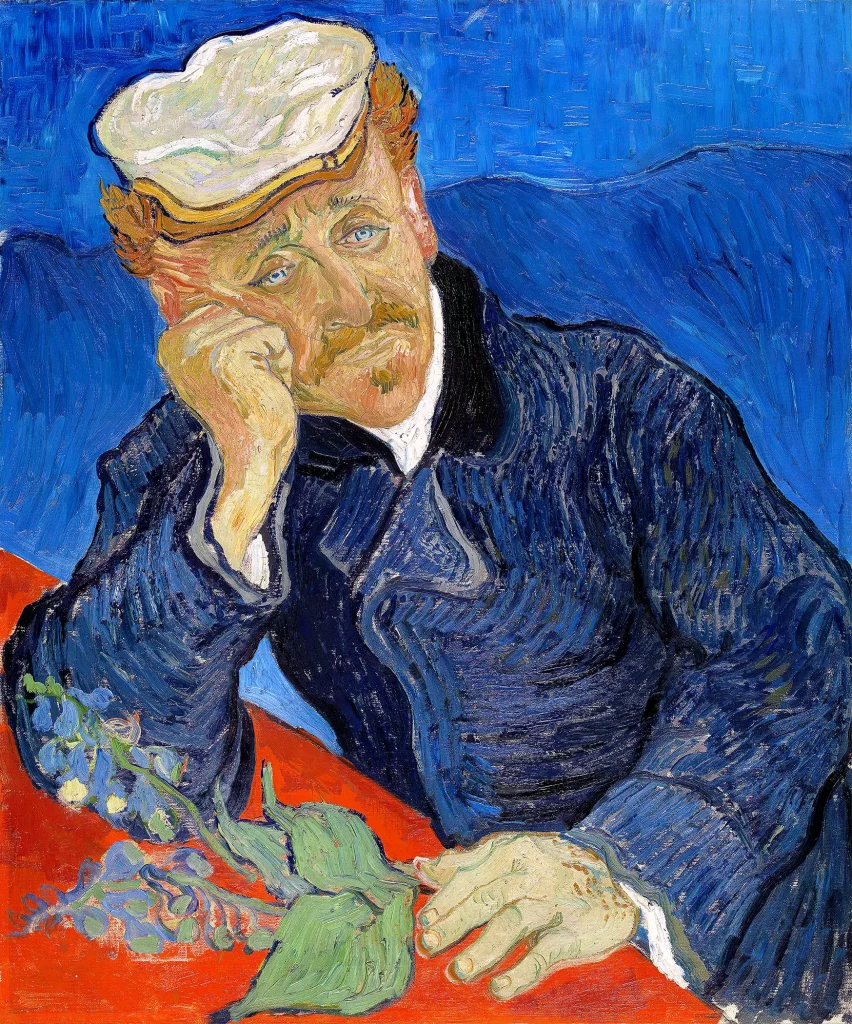
Van Gogh created many iconic paintings, including “The Starry Night,” “Sunflowers,” “Bedroom in Arles,” and “Portrait of Dr. Gachet.” These pieces are celebrated worldwide for their vibrant colors and emotional depth.
3. Did Van Gogh have any family involved in the art world?
Theo van Gogh, Vincent’s brother, was an art dealer who supported him financially and emotionally throughout his career. Theo’s wife, Johanna van Gogh-Bonger, was crucial in promoting Vincent’s artwork after his death.
4. Where did Van Gogh find inspiration for his painting style?
Van Gogh found inspiration from various sources – from Japanese prints to the landscapes around him in places like Auvers-sur-Oise and Arles; he also admired work from artists like Frans Hals and Eugène Delacroix, which influenced his bold color choices.
5. How did Van Gogh’s personal experiences influence his artwork?
Throughout his life, van Gogh struggled with mental health issues, feeling much like a tortured artist, which profoundly influenced his work: dark themes such as isolation can be seen alongside brighter impressions of nature that provided solace.
6. Can you tell me about an interesting period in Van Gogh’s life?
The last few years of his life were spent at Auvers-sur-Oise under the care of Dr Paul Gauchet; this time marked one of the most productive periods where he painted over 70 artworks, including “Wheat Field with Cypresses” truly showcasing unparalleled dynamism before tragically ending his own life.