
Pop Art’s Playful Rebellion & How It Challenged Traditional Artistic Norms
Pop art emerged in the 1950s and 60s, both in the UK and the US, challenging traditional art by embracing popular culture and mass media. Artists like Andy Warhol and Roy Lichtenstein drew inspiration from advertising, comics, and consumer goods, blurring the line between high art and everyday imagery.
The movement aimed to democratize art, making it more accessible to the general public. Pop artists used commercial techniques, bold colors, and recognizable imagery to reflect and critique society’s growing consumerism and mass production.
Pop art’s influence extended beyond fine art into fashion, design, and music. Despite initial criticism, its ability to capture the spirit of mid-20th-century culture has cemented its place as a significant art movement whose impact continues to resonate today.
Key Takeaways
- Pop Art started in the 1950s in the UK and US, making everyday items like soup cans into art.
- Artists like Andy Warhol and Roy Lichtenstein turned ads and comic strips into famous artworks.
- This movement mixed ordinary life with bold colors to make people see common things differently.
- British Pop Art often made jokes about American culture, while American artists celebrated it.
- Today, Pop Art still influences movies, fashion, and more by mixing popular culture with art.
Overview of Pop Art
Pop Art burst onto the scene in the 1950s, shaking up the art world with its bold colors and everyday subjects. This movement turned ordinary objects and famous faces into high art, making us look at them in new ways.
Origins and Development
Pop Art first appeared in the 1950s in the United Kingdom. It marked a bold challenge to traditional art by drawing inspiration from consumer culture, mass-produced objects, and popular media.
Artists aimed to bridge the gap between “high” art and everyday life, making this movement a significant turn away from abstract expressionism.
It didn’t take long for Pop Art to cross the Atlantic into the United States, where it gained momentum in the 1960s—influences from Neo-Dada and movements questioning what art could play integral roles.
This period saw iconic artists like Andy Warhol rise to fame with works that continue to influence pop culture and fine art today. By elevating mundane subjects into artistic marvels, Pop Art reshaped how we perceive art’s role in society.
Key Characteristics of Pop Art
Pop Art turns the mundane into masterpieces, spotlighting everyday life with a splash of color and boldness.
Use of Everyday Imagery
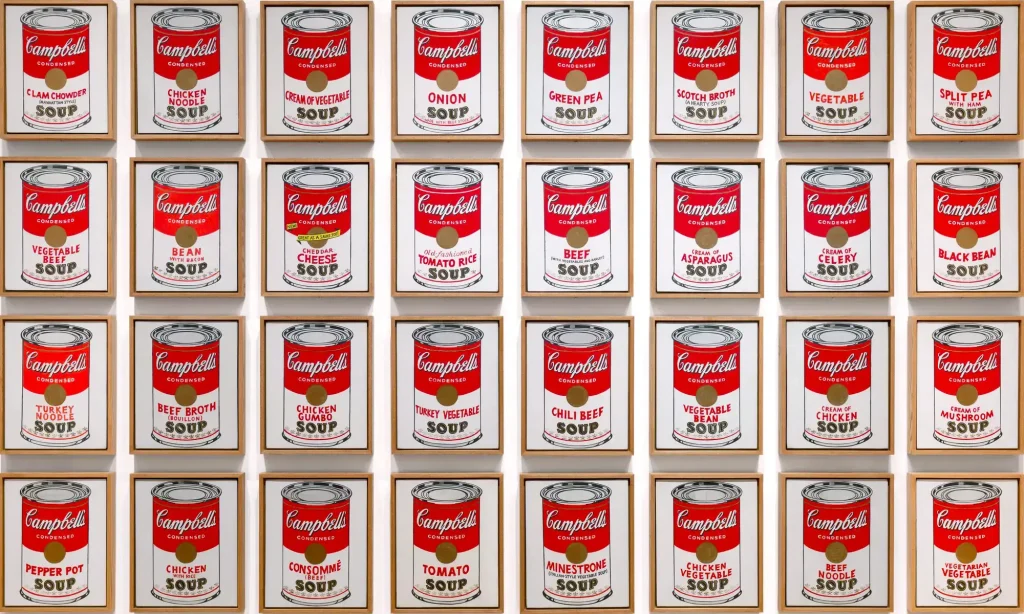
Pop artists turned the ordinary into the extraordinary. They celebrated images from daily life, making them central to their art. This approach elevated popular culture and transformed objects like Campbell’s soup cans into iconic fine art pieces.
Bold colors and simple shapes made these everyday items pop off the canvas.
Drawing inspiration from commercials, pulp magazines, and household objects, these artists broke down the barriers between high art and mass culture. Their work included vibrant block colors that brought attention to the mundane, turning it into something worth discussing.
Pop artists made a bold statement about the world by focusing on consumerism and everyday products found in grocery stores.
Emphasis on Popular Culture
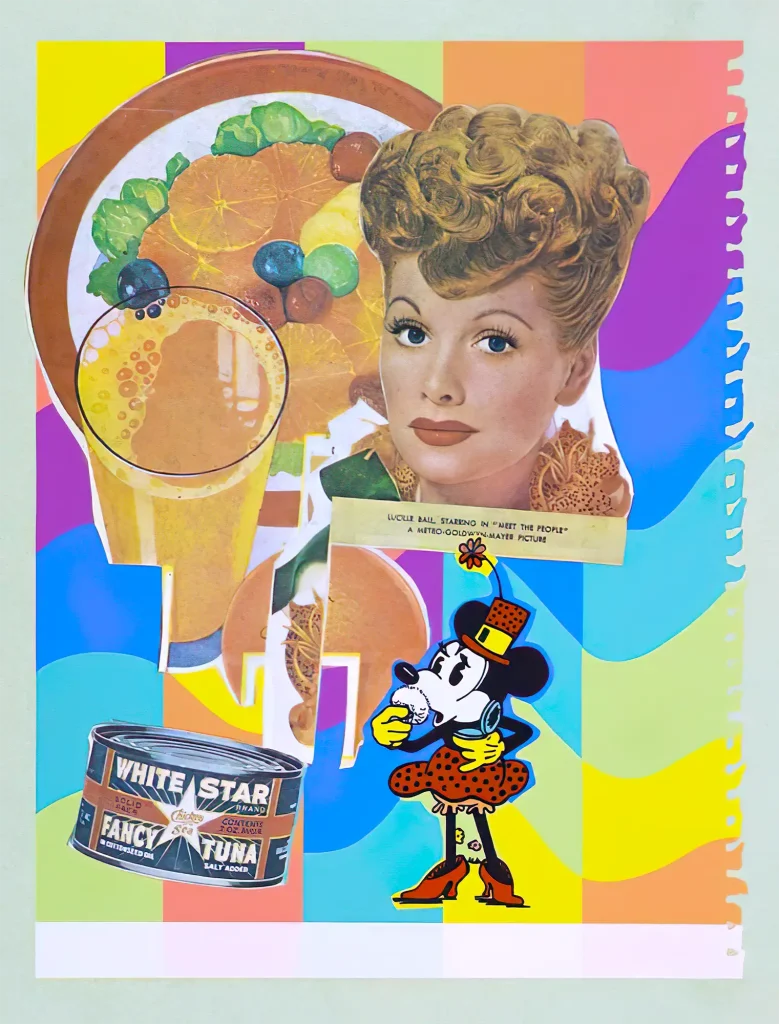
Pop art spotlighted popular and commercial culture, elevating everyday images to fine art status. This movement found its muse in advertisements, comic books, and objects of mass production like soup cans, soda bottles and comic books.
Artists saw beauty in the ordinary, highlighting what most people overlooked. By doing so, they blurred the lines between high art and low culture.
They also played with irony, using it to comment on societal norms and expectations. Whether through silkscreen prints or sculptures, pop artists made us rethink our connection with consumerism’s visual elements.
Their work challenged us to see the capitalist market—a world of billboards and products—not just as a backdrop for our lives but as a critical part of our identity.
The Difference between American and British Pop Art
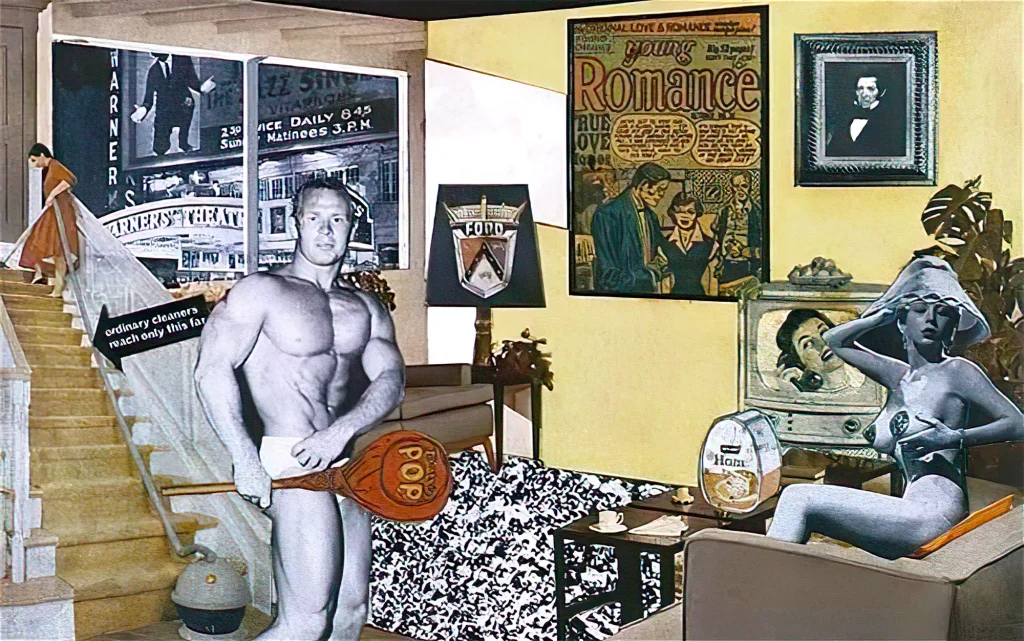
British pop art looked at American culture from afar, giving it a unique twist. It mixed admiration with satire, often poking fun at the big business and mass-produced objects that symbolized the American dream.
Artists like Richard Hamilton and Eduardo Paolozzi used collages to critique and reflect on this fascination with everything American. Their work had a sharp, satirical edge, challenging traditional art by focusing on modern life’s myths rather than ancient ones.
American pop art artists embraced their surroundings directly, drawing inspiration from daily life and popular culture within the U.S. Andy Warhol and Roy Lichtenstein turned mundane or iconic items—like comic strips or Campbell’s Soup cans—into high art.
This approach was more romantic, celebrating rather than critiquing consumerism. They transformed advertising and celebrity culture into subjects worthy of artistic exploration, showing a different kind of love for pop culture—one that was immersive rather than observational.
Leading Artists of the Pop Art Movement
The Pop Art movement brought us bold, unforgettable artists who changed how we see everyday objects. These creators turned commonplace items into masterpieces that still inspire today.
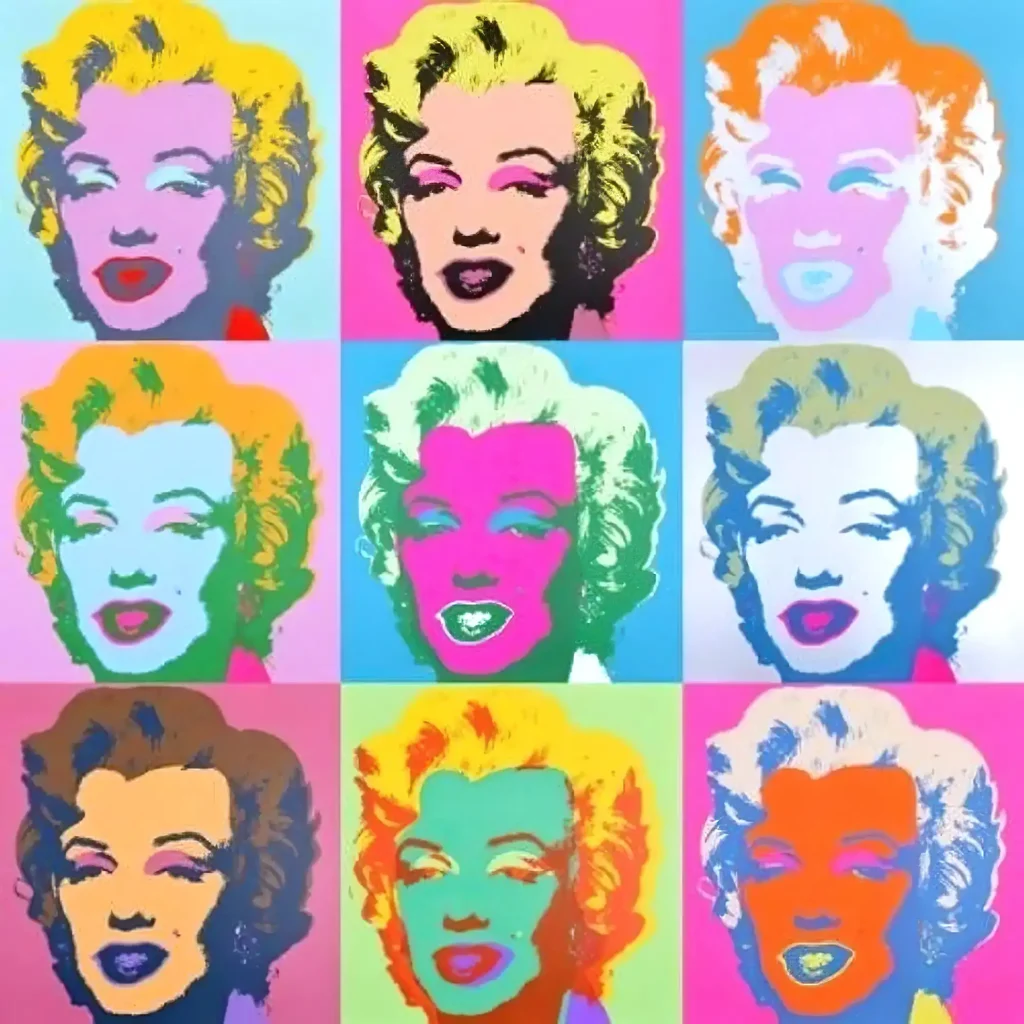
Andy Warhol
Andy Warhol became a leading figure in the pop art movement, radically changing how we view art. Known for his silkscreen printing technique, he turned everyday objects and celebrities into iconic artworks.
His pieces, like the Campbell’s Soup Cans and Marilyn Diptych, challenged traditional notions of what could be considered “fine art.” Warhol’s work wasn’t just about replicating images; he delved deep into themes of consumerism and celebrity culture—issues that still resonate today.
His studio, famously named The Factory, was a hub for creatives across various disciplines, further cementing his influence on the art world and popular culture. Through his innovative approach to printmaking and relentless exploration of new subjects—from mundane household items to famous figures—Warhol redefined modernist views.
He showed that anything could be art if seen through the right lens, making him not just an artist but a pioneer who left an indelible mark on contemporary visual language.
Roy Lichtenstein
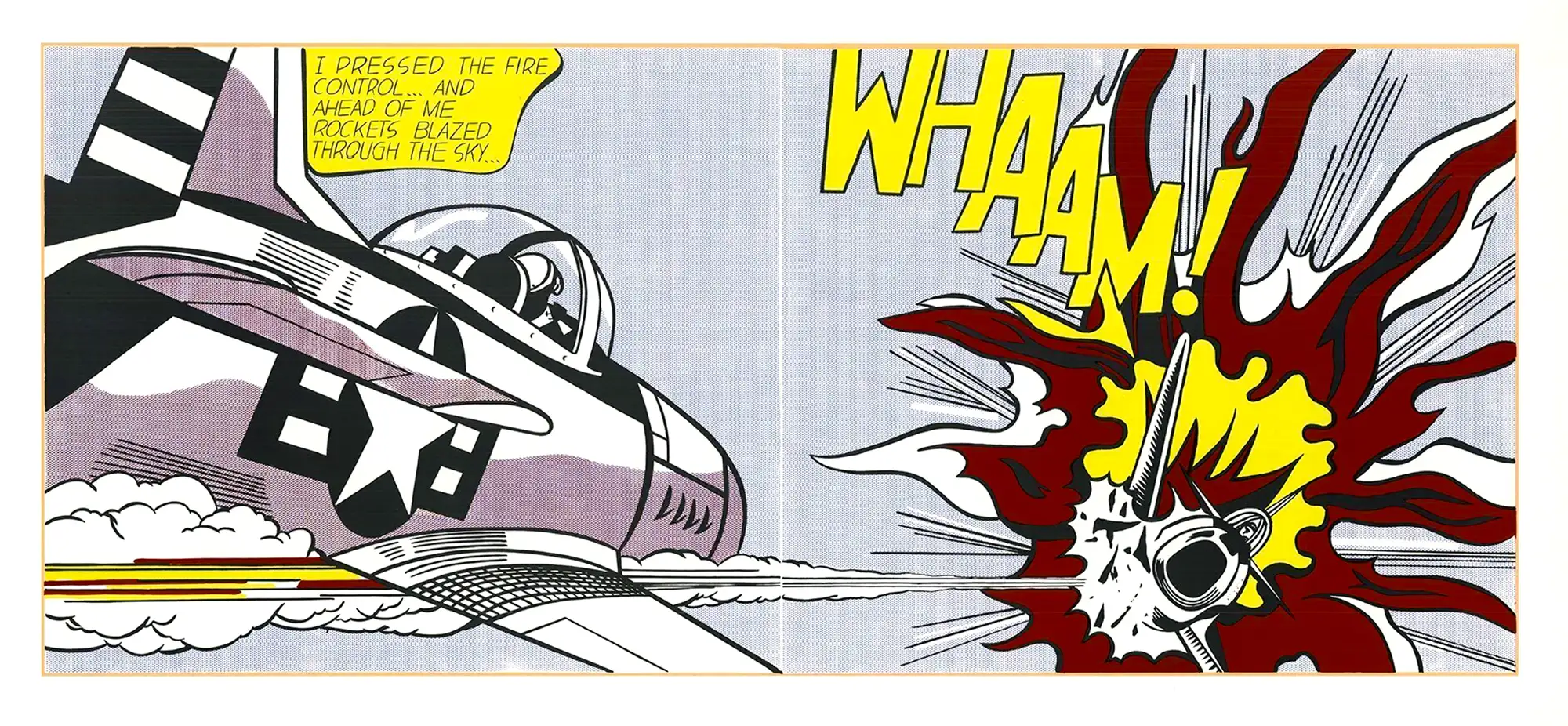
Roy Lichtenstein emerged as a pivotal figure in the 1960s Pop Art movement. His art captured the essence of popular advertising and comic book styles, making everyday items like comic strips, celebrities, and fast food subjects of high art.
He grew up on the Upper West Side of New York City, where his father worked as a real estate broker. This background perhaps influenced his fascination with the mundane yet iconic aspects of American culture.
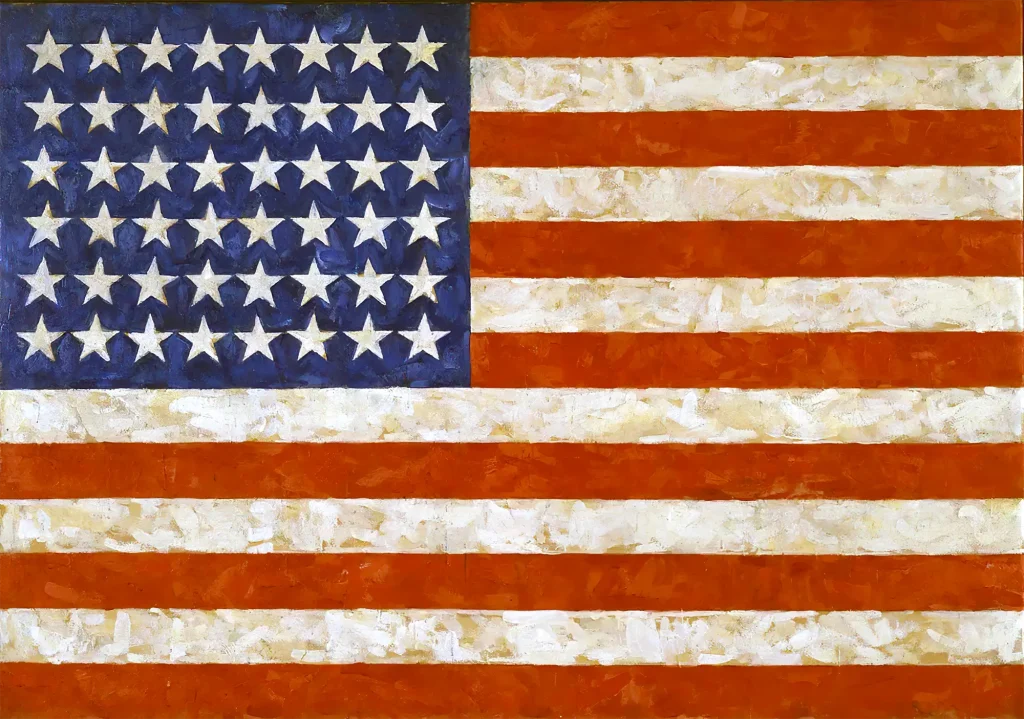
Lichtenstein was another revolutionary who transformed how we perceive everyday objects. Together with notable figures such as David Hockney and Jasper Johns, he helped establish Pop Art as a significant artistic force.
His works are now iconic examples of how art can bridge high culture and everyday life.
James Rosenquist
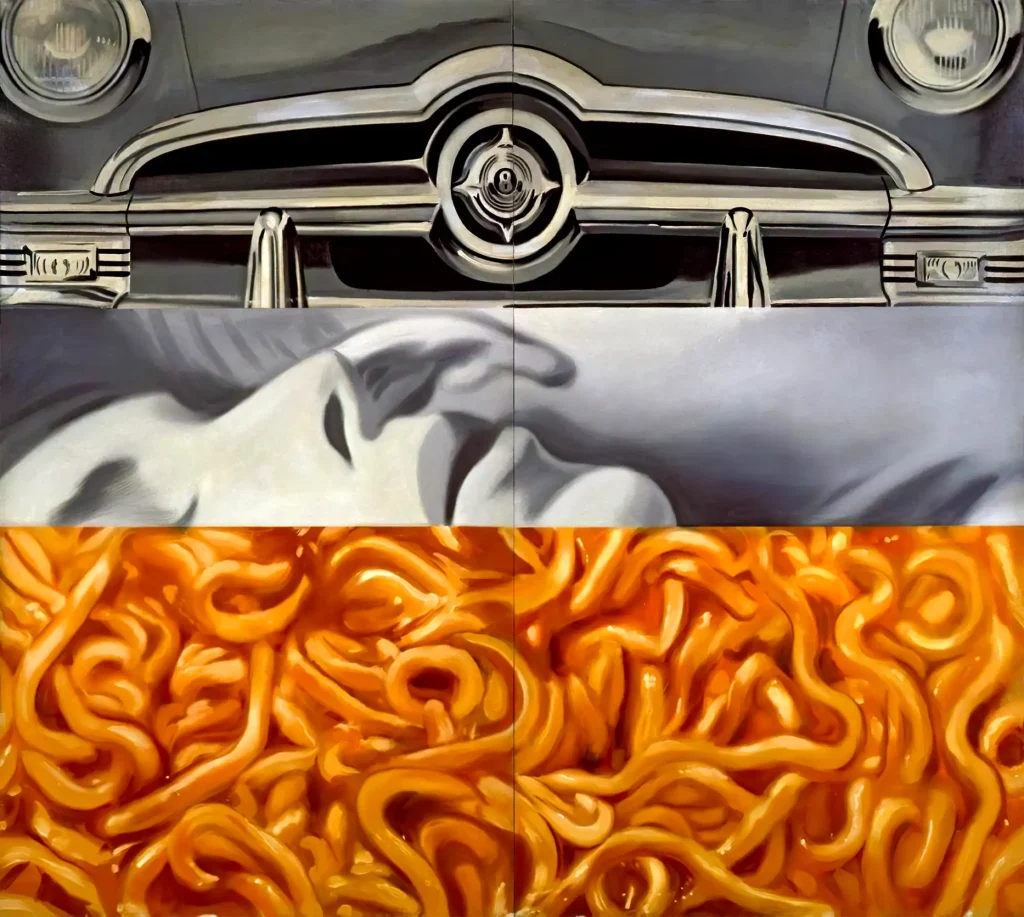
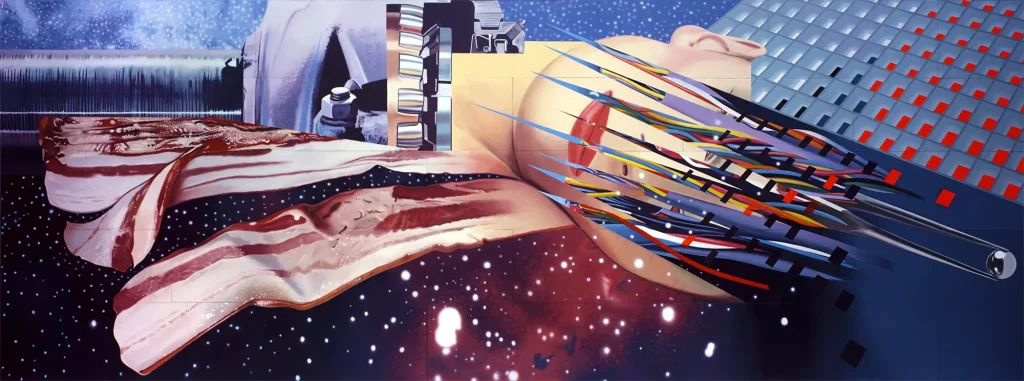
James Rosenquist jumped into the Pop Art scene in the early 1960s, making a bold statement with his large-scale collage paintings. His works mixed images from popular culture and advertising, creating something new and exciting.
This technique set him apart and helped establish him as a leader in the Pop Art movement. Like his peers, he took everyday scenes and objects and transformed them into art.
He was honored for his innovative contributions to art, earning titles such as Art in America Young Talent Painter in 1963. Beyond that, he served on the Board of the Guggenheim Museums and Foundation for six years, marking his influence on contemporary art and its institutions.
Rosenquist’s artwork elevates popular culture images to fine art status, proving that ordinary elements can become extraordinary through an artist’s vision.
Claes Oldenburg
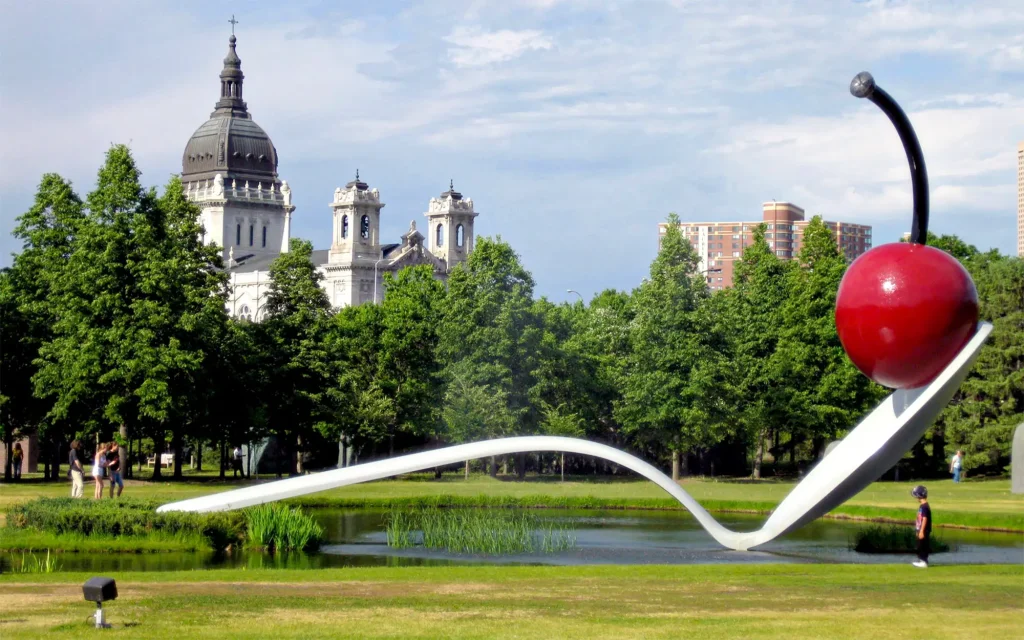
Claes Oldenburg, a Swedish-born American sculptor and painter, made waves in the Pop art scene. He took everyday objects and turned them into massive sculptures. Think colossal ice cream cones, typewriters, and hamburgers.
These weren’t just big; they brought a playful side to public art that celebrated our consumer society.
Drawing inspiration from Marcel Duchamp’s “readymades,” Oldenburg added his twist by focusing on common items from daily life. His work didn’t just sit in galleries; it popped up in public spaces, surprising people and making them see the ordinary in extraordinary ways.
This approach helped make him one of the 20th century’s most influential artists, forever changing how we view sculpture within the context of modern consumer culture.

Important Artworks in Pop Art
Discover how iconic pieces, like Warhol’s Campbell’s Soup Cans, redefine art by turning everyday items into unforgettable masterpieces—dive deeper to explore more groundbreaking works in pop art.
Warhol’s Campbell’s Soup Cans
Andy Warhol turned the art world on its head with his Campbell’s Soup Cans. He showcased thirty-two canvases of soup cans, emphasizing how consumer products could be high art. This bold move highlighted the artist’s interest in everyday items and mass-produced objects.
Warhol’s work challenged traditional views of art, making a statement about consumerism’s role in society.
His choice to depict Campbell’s soup cans over and over underscored the uniformity of products in American culture. Each canvas, nearly identical to the next, pushed viewers to consider the impact of repetition and ubiquity in advertising and packaging.
Through this series, Warhol became a defining figure in Pop Art, blending low-cost aesthetics with popular culture.
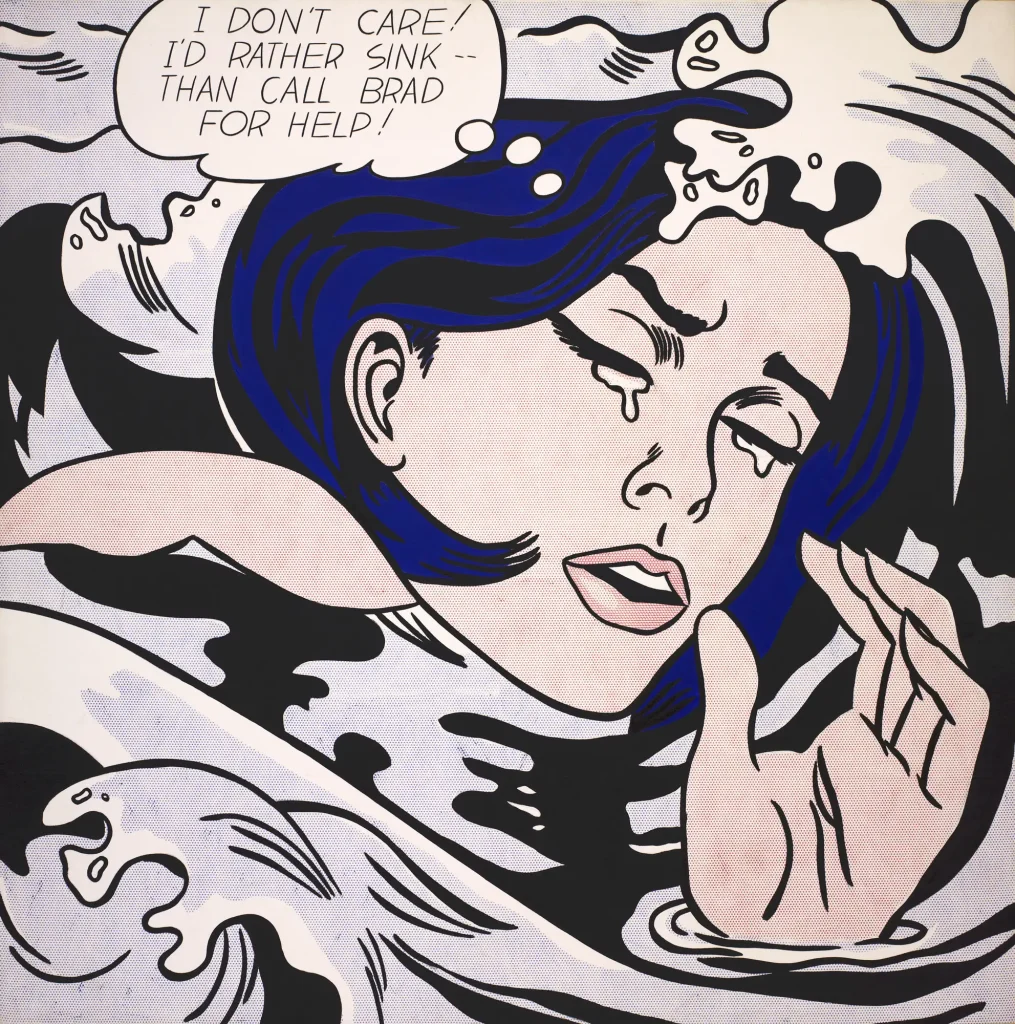
Lichtenstein’s Drowning Girl
Lichtenstein’s Drowning Girl marks a significant shift from Abstract Expressionism to Pop Art, captivating audiences with its bold and graphic style. This masterpiece, created by Roy Lichtenstein in the early 1960s, highlights his knack for using comic book imagery to make a profound statement.
It’s not just any artwork; it’s an iconic piece that stands as a testament to Lichtenstein’s impact on the Pop Art movement.
The painting draws inspiration from Lichtenstein’s personal life, particularly his first marriage, intertwining deeply emotional themes with commercial art techniques. Through Drowning Girl, Lichtenstein parodies contemporary beauty standards and expresses ideals of the time with irony and poignancy.
His meticulous crafting of anxiety-ridden women amidst bold colors and patterns not only earned him renown but also solidified his position as a pioneer of Pop Art.
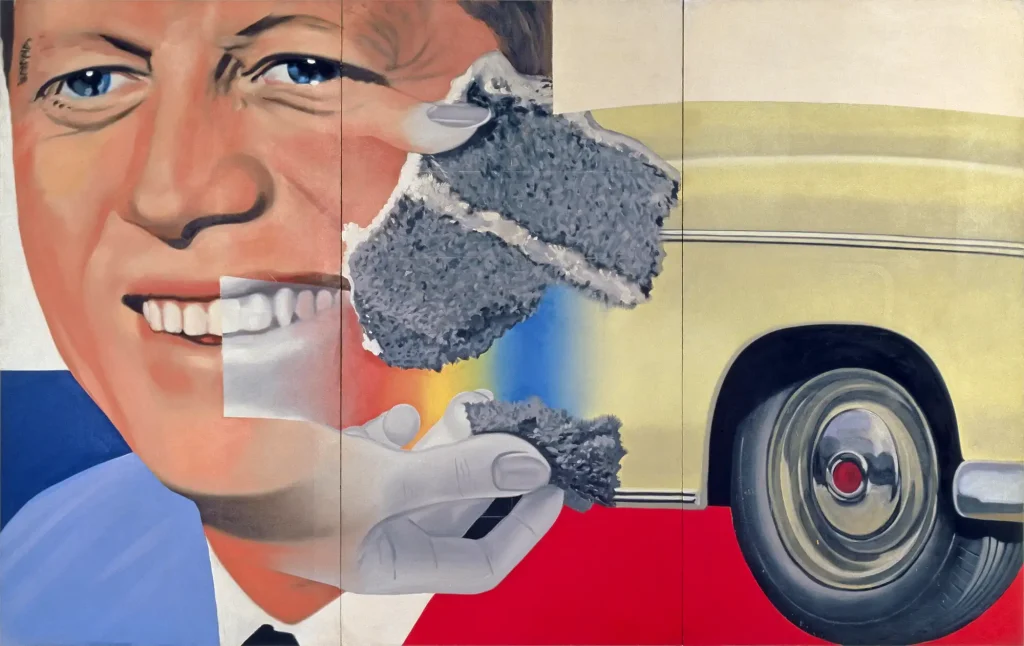
Rosenquist’s President Elect
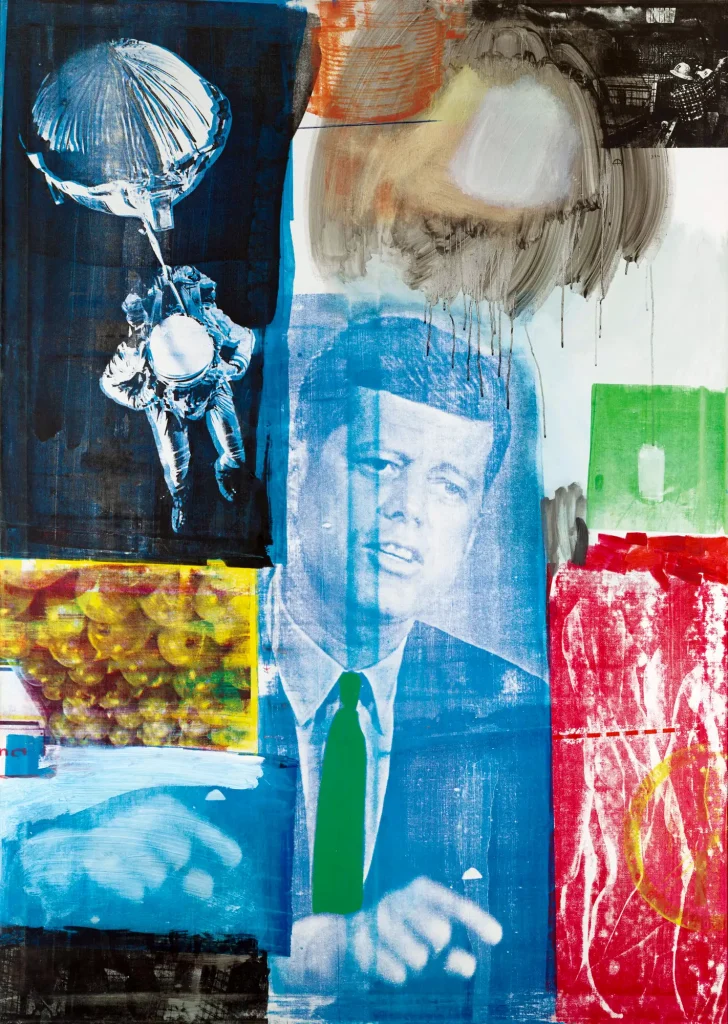
Moving from the emotional depth in Lichtenstein’s “Drowning Girl,” we transition to James Rosenquist’s exploration of modern commercial culture through his work, “President Elect.” This iconic piece captures the essence of John F. Kennedy.
Kennedy’s campaign blended advertising techniques with political imagery. Rosenquist, a pioneer in pop art, brought together portraits and consumerist symbols to comment on subliminal persuasion and media influence.
“President Elect” stands out for its association with both politics and advertising – fields obsessed with influencing public opinion. Here, Rosenquist taps into his background in advertising illustration to deliver a powerful statement on society’s susceptibility to mass media messages.
He masterfully combines vivid visuals that reflect his fascination with how advertisements shape perceptions, offering viewers a unique lens through which to consider American culture during Kennedy’s era.
The Impact and Relevance of Pop Art Today
Pop Art continues to shape our society, breathing life into the blend of high culture and popular imagery. With its roots in celebrating everyday objects and mass-produced items, this movement has not lost its momentum.
It plays a significant role in modern-day expressions across various platforms—be it Marvel movies that capture our imaginations or tattoos that tell stories on skin.
The influence of Pop Art stretches beyond visual arts; it impacts graphic design, fashion, and advertising by embracing the vibrancy and boldness characteristic of its pioneer’s works.
Artists today still draw inspiration from this movement, incorporating elements like silkscreens or collages into their work. This tradition ensures that Pop Art remains not just a critical chapter in art history but a living influence that continually evolves with contemporary culture.
Conclusion
At its core, pop art sought to democratize art by making it more accessible and relatable to the public. Artists like Andy Warhol, Roy Lichtenstein, and Claes Oldenburg embraced commercial printing techniques, vivid colors, and recognizable imagery from comic books, magazines, and product packaging.
Their works often featured iconic figures from popular culture, household objects, or mundane items elevated to the status of art. This approach challenged the elitism of the art world and invited viewers to reconsider the aesthetics of everyday life.
The influence of pop art still extends far beyond the confines of galleries and museums, permeating fashion, design, and music. Its emphasis on bold graphics, repetition, and appropriation of popular imagery continues to resonate in contemporary art and culture.
While some critics initially dismissed pop art as shallow or gimmicky, its enduring impact and ability to capture the zeitgeist of the mid-20th century have secured its place as a pivotal movement in art history.
Remember, creativity knows no bounds; let Pop Art inspire you to break barriers in your creative journey.
FAQs
1. What exactly is Pop Art?
Pop Art is a bold, colorful art movement that began in the 1950s and ’60s. It celebrates everyday items and famous figures using vibrant colors and mass-produced objects. Artists like Andy Warhol with his Campbell’s Soup Cans and Roy Lichtenstein are big names here. They showed us art can come from anywhere – even your kitchen pantry!
2. Did Pop Art start in Britain or America?
It kicked off in Britain before making a splash across the pond. British artists were part of this exciting scene first, inspired by American culture’s influence on post-war Europe. Lawrence Alloway coined the term “pop art” to describe this new form of artwork that drew from adverts, comics, and regular items.
3. Who are some well-known Pop Artists besides Andy Warhol?
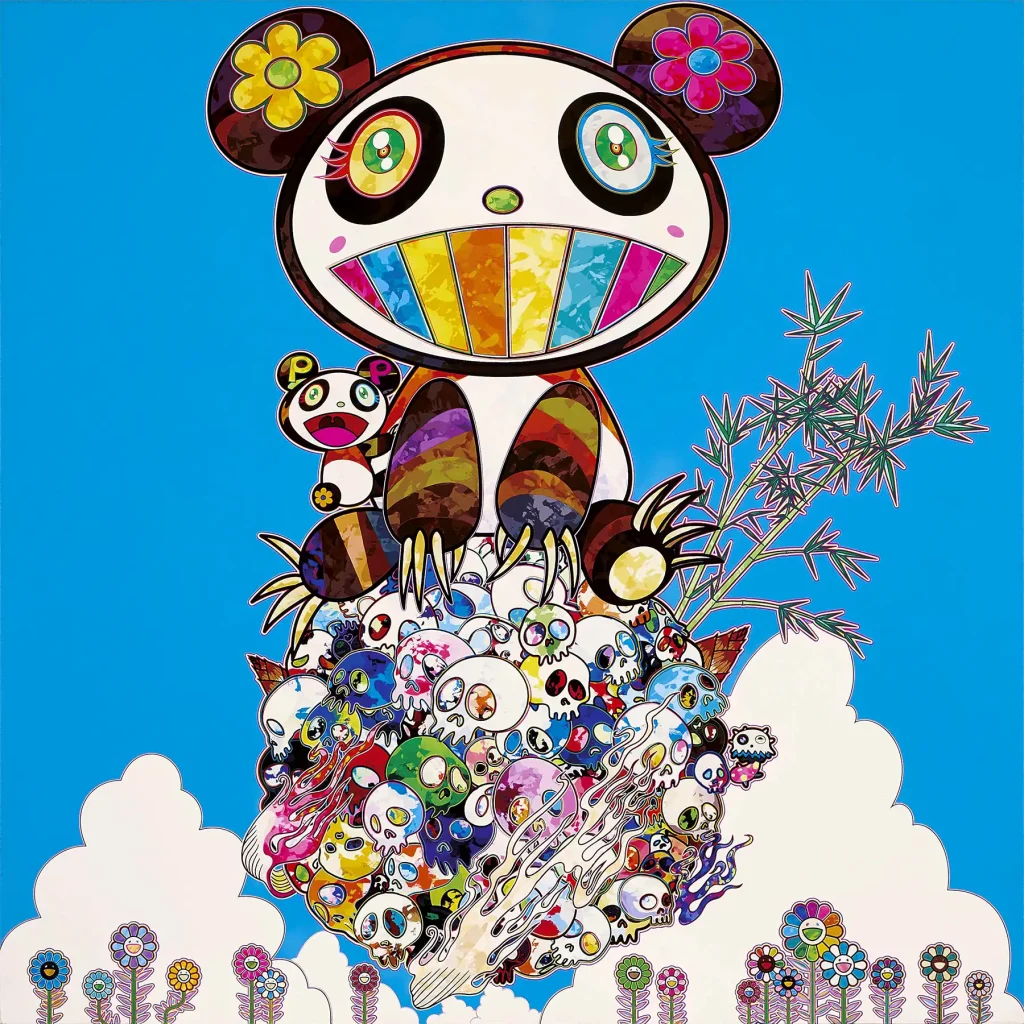
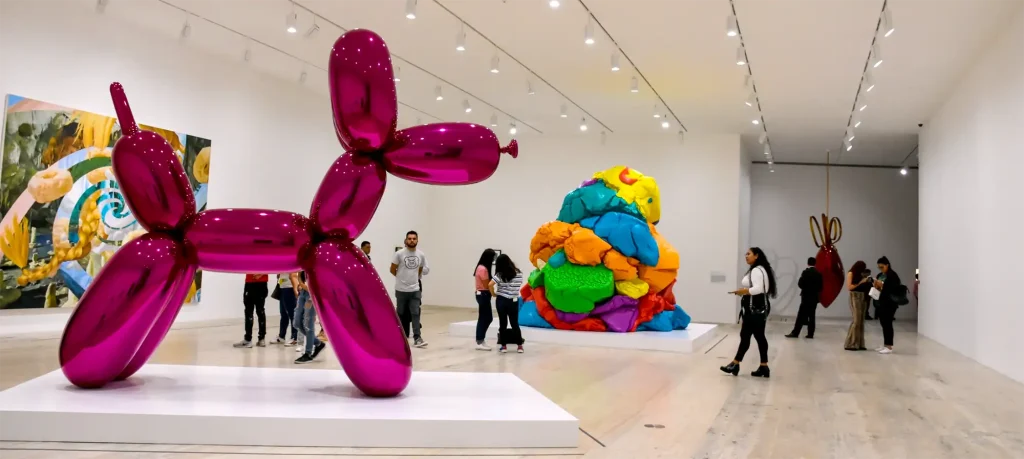
There’s a whole lineup of incredible talents! Think Robert Rauschenberg with his mixed media pieces, David Hockney’s swirly landscapes, Jeff Koons’ glossy sculptures, and even Takashi Murakami, who brings anime into fine art spaces. Each one brought something unique – borrowing from Dadaism to Nouveau Réalisme.
4. How did Pop Art change our view on artistic expression?
Pop Art blew traditional boundaries sky-high by pulling images straight out of comic books or product labels; these artists made us see the extraordinary within the ordinary. This movement poked fun at high-brow modernists while giving a nod to abstract expressionists – all while turning everyday objects into icons.
5. Were there any key exhibitions or galleries tied to Pop Art?
The Ferus Gallery in Los Angeles was pivotal for American pop artists like Ed Ruscha and Billy Al Bengston. Meanwhile, over in London, “This Is Tomorrow” at Whitechapel Gallery rocked the UK scene with Eduardo Paolozzi’s groundbreaking works; these spots weren’t just about showing art; they became cultural landmarks where pop art’s legacy flourished.
6. Does Pop Art involve only paintings?
It spans much more than canvas work; sculptors jumped aboard, too – Marisol, with her witty figures, comes to mind. Then you’ve got all forms of printmaking, stenciling, collaging… anything that could carry their forward-thinking ideas. From Ben-Day dots and silkscreening to décollage techniques, many methods were used as these creatives sought new ways to merge art with daily life.