
The Evolution of Expression: Tracing the Timeline of Painting Styles
Have you ever gazed at a painting and felt transported through time, curious about the story behind every brushstroke? You’re not alone. Many of us marvel at the diversity of painting styles displayed in museums or galleries but find it overwhelming to grasp how art has evolved over centuries.
How did we move from simple cave drawings to complex abstract paintings? What sparked these changes?
Believe it or not, art is like a time machine. It can reveal secrets about past civilizations, tell tales of bygone eras, and reflect society’s ever-changing values. For instance, during the Renaissance period, artists such as Leonardo da Vinci began using techniques like linear perspective to create more realistic images, changing how people saw their world.
In this article, we’ll embark on a journey to unlock the mysteries of painting styles throughout history. We’ll explore what influenced artists during different times and how their creative legacies continue to inspire today’s painters.
Ready for a colorful adventure? Get set for an enlightening ride through art’s vibrant timeline!
Key Takeaways
- Painting styles have evolved significantly from prehistoric times to modern times, reflecting societal values, cultural advancements, and artistic innovations.
- Major artistic periods include Prehistoric Art (~40,000–4,000 B.C.), Ancient Art (4,000 B.C.–A.D. 400), Medieval and Gothic Art (500–1500s), Renaissance to Mannerism (1400–1600), Baroque to Rococo (1600–1780), Neoclassicism to Romanticism (1750–1850), Realism to Impressionism (1848–1885), Post-Impressionism to Symbolism (1885–1900), and Art Nouveau to Cubism (1890–1914).
- Key figures such as Leonardo da Vinci during the Renaissance period used techniques like linear perspective for realistic images; Caravaggio was known for using light in Baroque art, while Pablo Picasso introduced fragmented perspectives with Cubism.
- Each art movement brought new methods of expression. While Realist artists such as Gustave Courbet aimed for true-to-life representation without idealization, Impressionists like Claude Monet focused on capturing light and color through visible brushstrokes.
- Exploring personal emotions became prevalent with movements like Romanticism and Post-Impressionism, where artists emphasized individual emotions over direct representation.
Tracing the Origins: Prehistoric to Ancient Art
In this section, we delve into the beginnings of painting styles, starting with prehistoric art dating back to around 40,000–4,000 B.C. and ancient art from 4,000 B.C. to A.D. 400.
We will explore how early humans used cave paintings and other forms of artistic expression to capture their surroundings and tell stories through visual imagery.
Prehistoric Art (~40,000–4,000 B.C.)
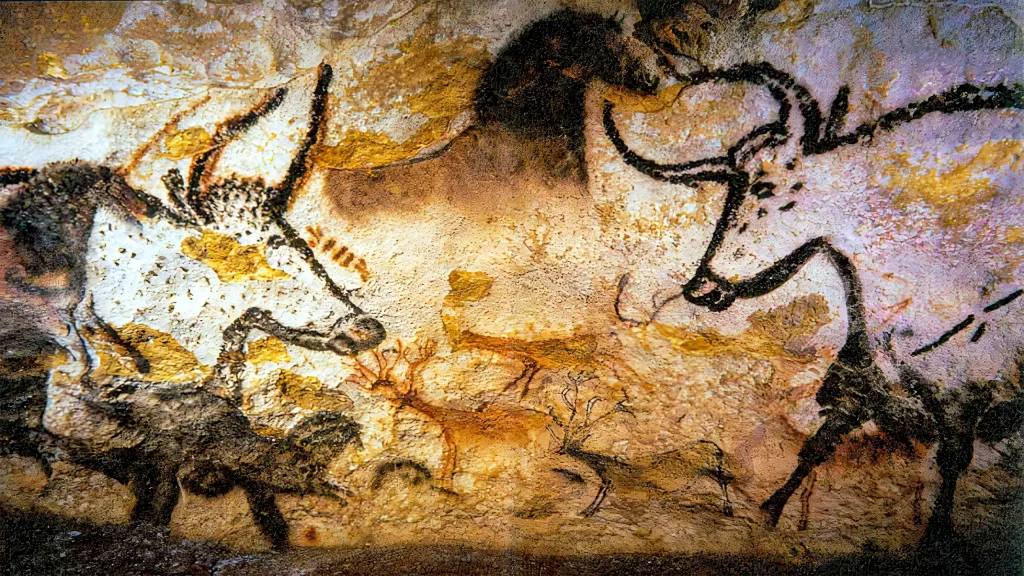
Prehistoric art reveals the origins of human creativity through its rock carvings and evocative cave paintings, like those found in Lascaux. Artists used natural materials like charcoal and ochre to depict animals, daily life, and spiritual rituals on stone walls, capturing a raw glimpse into their world.
These early works were not mere decorations but vital records of cultural narratives and prehistoric experiences before written language emerged.
The enigmatic stone arrangements and sculptures from this period hint at a complex understanding of artistry and symbolism by these ancient cultures. They crafted images to express their observations of nature, create talismans for prayer or protection, or perhaps even mark significant territorial boundaries.
Moving beyond Prehistoric Art brings us closer to the sophisticated techniques developed during Ancient Art (4,000 B.C.–A.D. 400), where storytelling took on new forms with the rise of civilizations across the globe.
Ancient Art (4,000 B.C.–A.D. 400)
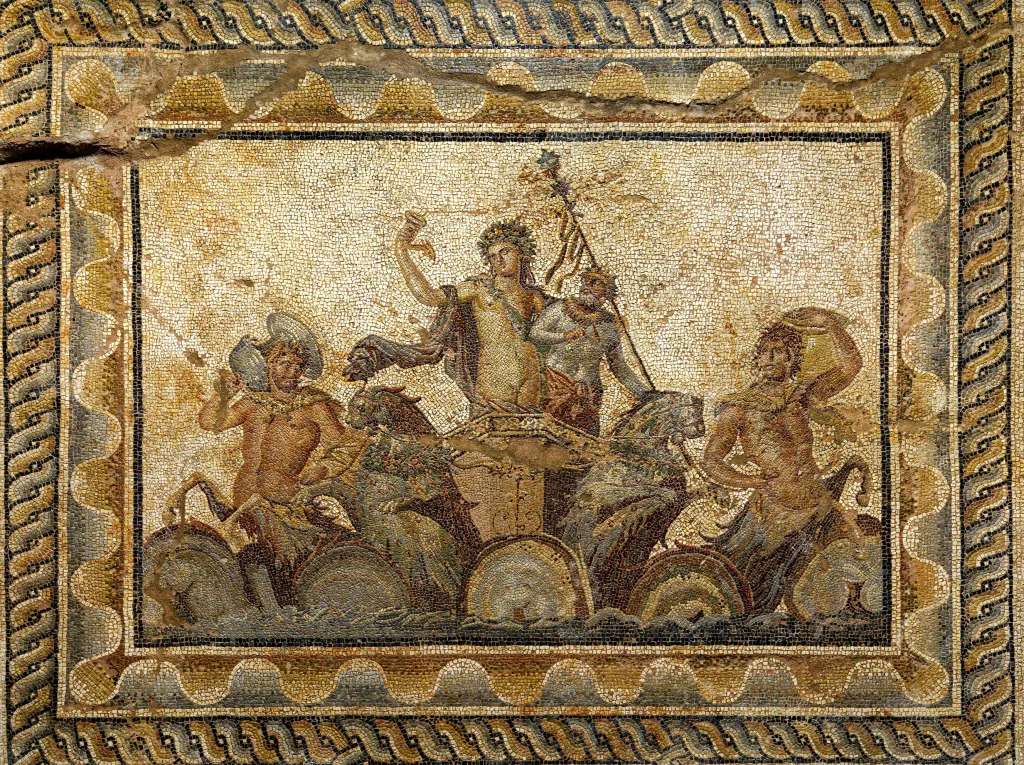
Building on the foundations laid by prehistoric creators, ancient art blossoms as a critical voice for civilizations to communicate their stories. This era saw societies such as the Egyptians, Greeks, and Romans use art not just for beauty but also as an essential tool of record-keeping and conveying societal norms.
Murals adorned palace walls, telling tales of gods and rulers; statues were carved from marble or cast in bronze to capture human form with unprecedented realism.
Artists crafted intricate jewelry highlighting their wearer’s status, while pottery bore witness to everyday vignettes. At this time, frescoes brought color into public spaces and private villas alike, illustrating myths or scenes of leisure that evoke the ethos of these times long past.
Through such enduring works—the Sphinx’s enigmatic smile or Greek vases’ geometric precision—ancient artists set a standard that would resonate throughout history’s ongoing artistic dialogues.
The Flourishing of Faith: Medieval to Gothic Art
The medieval period saw the rise of religious art, with a focus on representing biblical stories and figures. This era also gave birth to the intricate Gothic style, characterized by its pointed arches, ribbed vaults, and soaring spires.
Medieval Art (500–1400)
Medieval Art blossomed at a time when the Church was the center of life, and this is vividly reflected in the art from that period. Artists poured their creativity into crafting works steeped in religious symbolism, aiming to tell spiritual stories and convey sacred teachings.
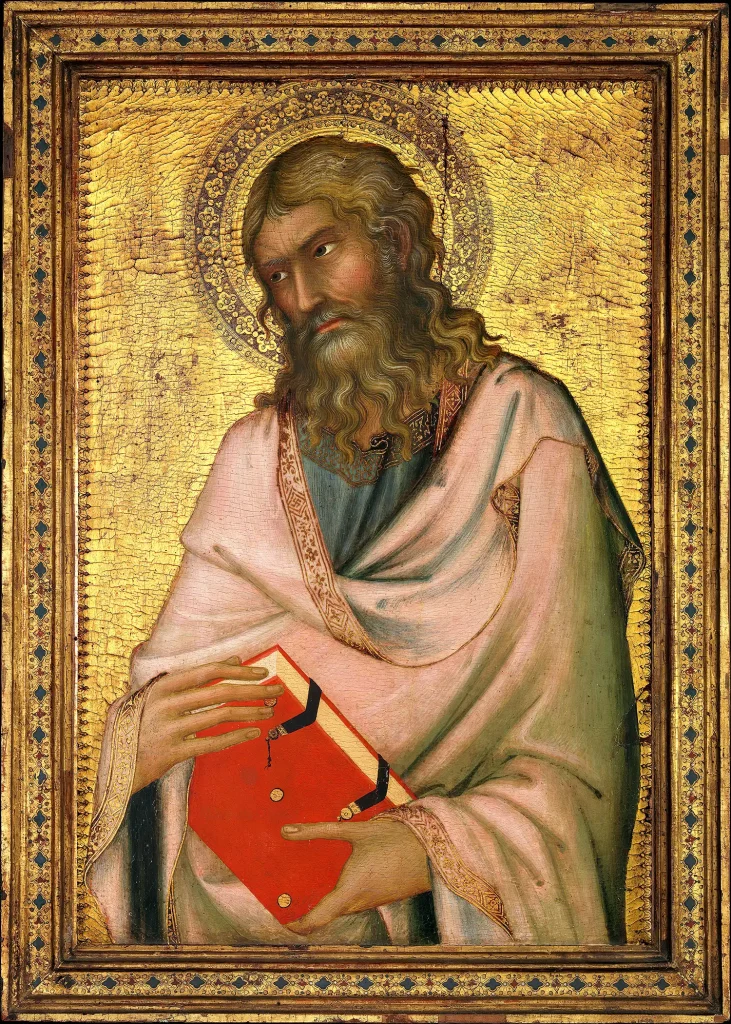
Bold colors and meticulous details brought biblical scenes to life on church walls, manuscripts, and sculptures. These visual narratives were more than mere decoration; they served as didactic tools for an often-illiterate populace, teaching them about Christianity’s tenets through each brushstroke or chisel mark.
Artisans during this era focused on religious themes, creating pieces meant to inspire faith among believers. They used vibrant hues to capture attention and intricate designs to symbolize deeper meanings within their work.
Paintings frequently featured halos around saintly figures or icons holding attributes that identified their divine roles—visual cues designed to communicate complex theological concepts with clarity and beauty.
Despite limitations like two-dimensional representation and stylized human forms, Medieval artists succeeded in leaving a lasting impact on art’s history by encapsulating profound spiritual ideals within their creations.
Gothic Art (1100s–1500s)
Gothic Art, flourishing from the 12th to the 15th century, fused religious devotion with an unprecedented elegance in visual storytelling. This era’s artists honed their skills to immaculate precision, filling every inch of canvas and stone with symbolic meaning.
They painted scenes that seemed to reach toward heaven, capturing ethereal beauty in images designed to inspire awe and reverence.
These creators also revolutionized architecture, erecting towering cathedrals with soaring spires and stained-glass windows that bathed interiors in kaleidoscopic light. Sculptures also gained a new dynamism, featuring saints and biblical figures rendered with such detail they appeared almost alive.
Gothic art is a testament to humanity’s unending pursuit of transcendent expression through form and color.
The Dawn of Humanism: Renaissance to Mannerism
The Renaissance marked a period of great cultural and intellectual change, leading to the revival of classical art and learning. This era witnessed the rise of iconic artists like Leonardo da Vinci and Michelangelo, whose works embodied the values of humanism.
Mannerism, which followed the Renaissance, represented a departure from classical harmony and balance, embracing exaggerated forms and complex compositions.
Renaissance Art (1400–1600)
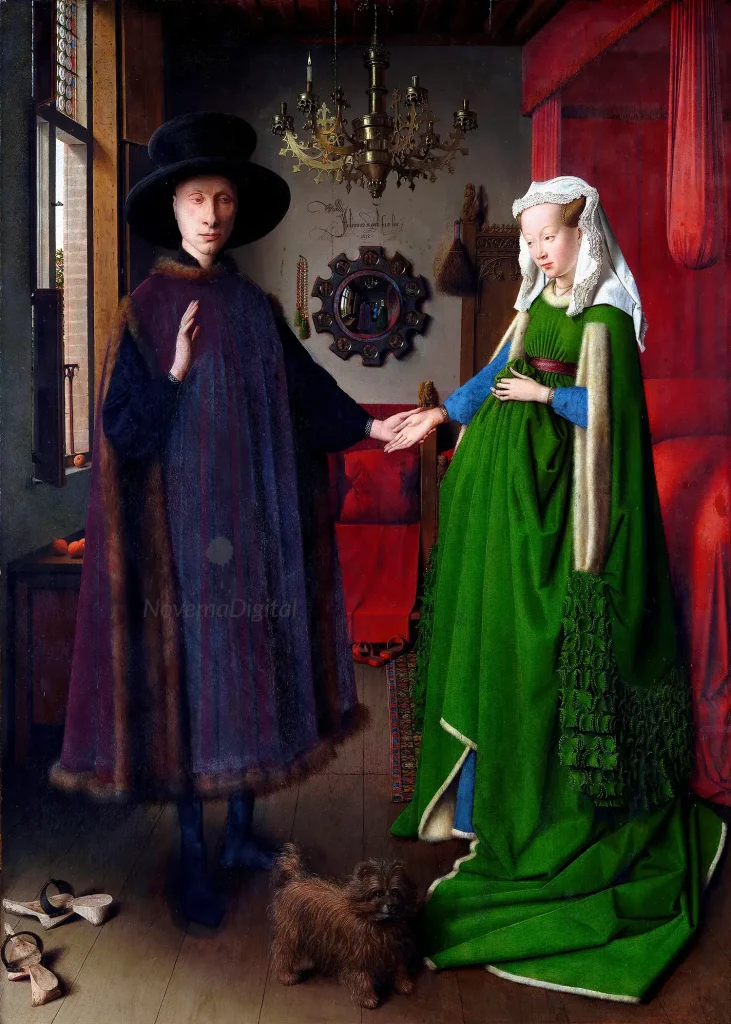
Renaissance art (1400–1600) marked a significant shift in artistic expression, heralding the revival of classical styles and emphasizing humanism. Renowned artists such as Leonardo da Vinci, Michelangelo, and Raphael flourished during this period, producing masterpieces that showcased exceptional attention to detail and focused on capturing the natural world with precision.
Influenced by ancient Greek and Roman art, Renaissance artists sought to portray the beauty of nature and humanity while depicting realistic representations of individuals. This era saw remarkable advancements in techniques like perspective drawing, leading to lifelike renditions of human anatomy.
The artworks from this time reflected technical prowess and celebrated individual creativity and intellectual curiosity, shaping art history for centuries.
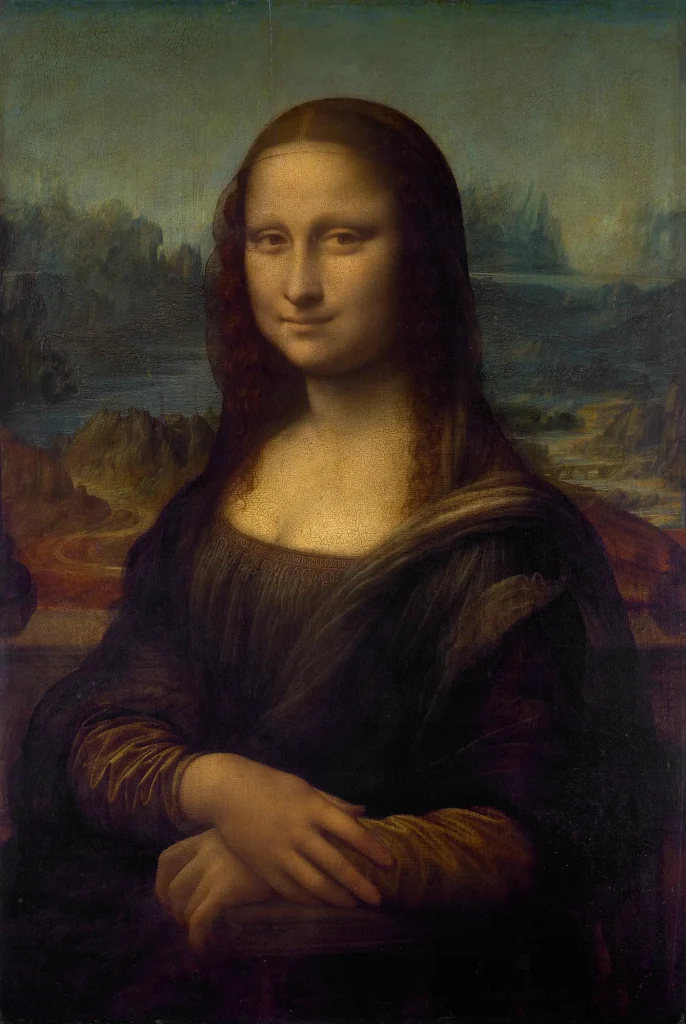
Mannerism (1527–1580)
Mannerism, from 1527 to 1580, emerged as a departure from the balanced and harmonious art of the High Renaissance. It was more about style and technique than the traditional meaning of subject matter.
This period marked an intentional shift towards emotionally expressive and intellectually stimulating art. Artists during this time often incorporated exaggerated and dramatic elements in their work, paving the way for the dramatic flair characteristic of the Baroque period that followed.
The movement reflected humanist influences and represented a transitional phase between the High Renaissance and Baroque eras. The focus on stylized forms set Mannerism apart, challenging conventional artistic norms and departing from classical balance.
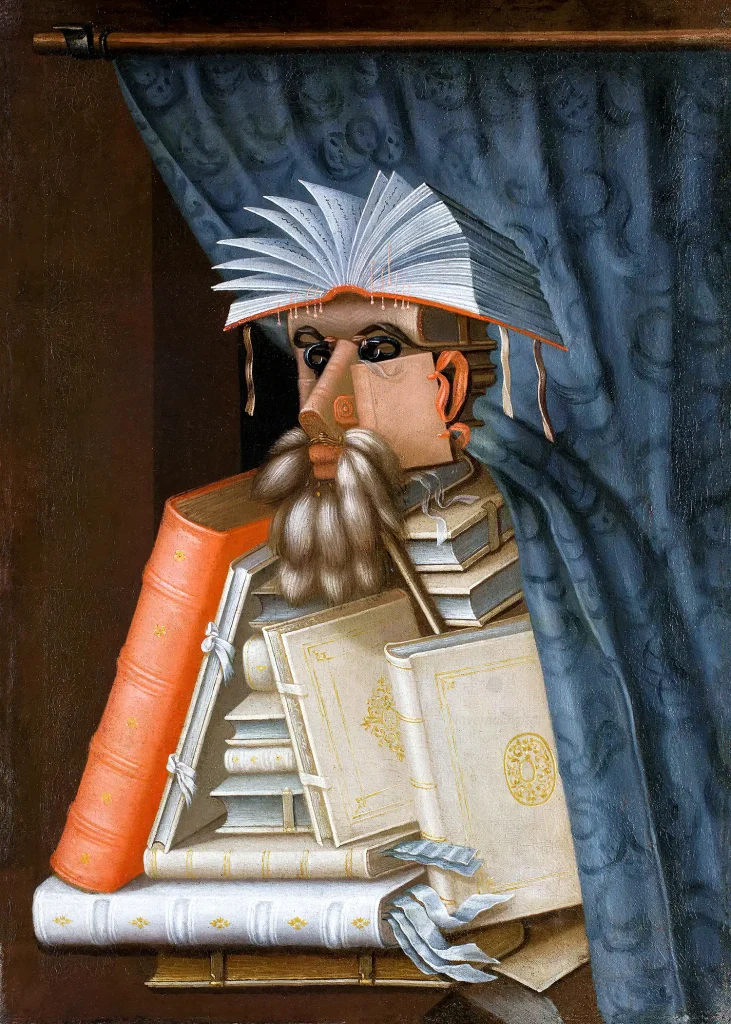
Drama and Extravagance: Baroque to Rococo
The Baroque period, spanning from the 1600s to 1750, was characterized by dramatic and dynamic compositions that aimed to evoke intense emotion. On the other hand, the late 17th and early 18th century Rococo movement embraced ornate and decorative elements, often showcasing themes of love and fantasy.
These two distinct styles reflected a shift in artistic expression towards theatricality and opulence.
Baroque (1600–1750)
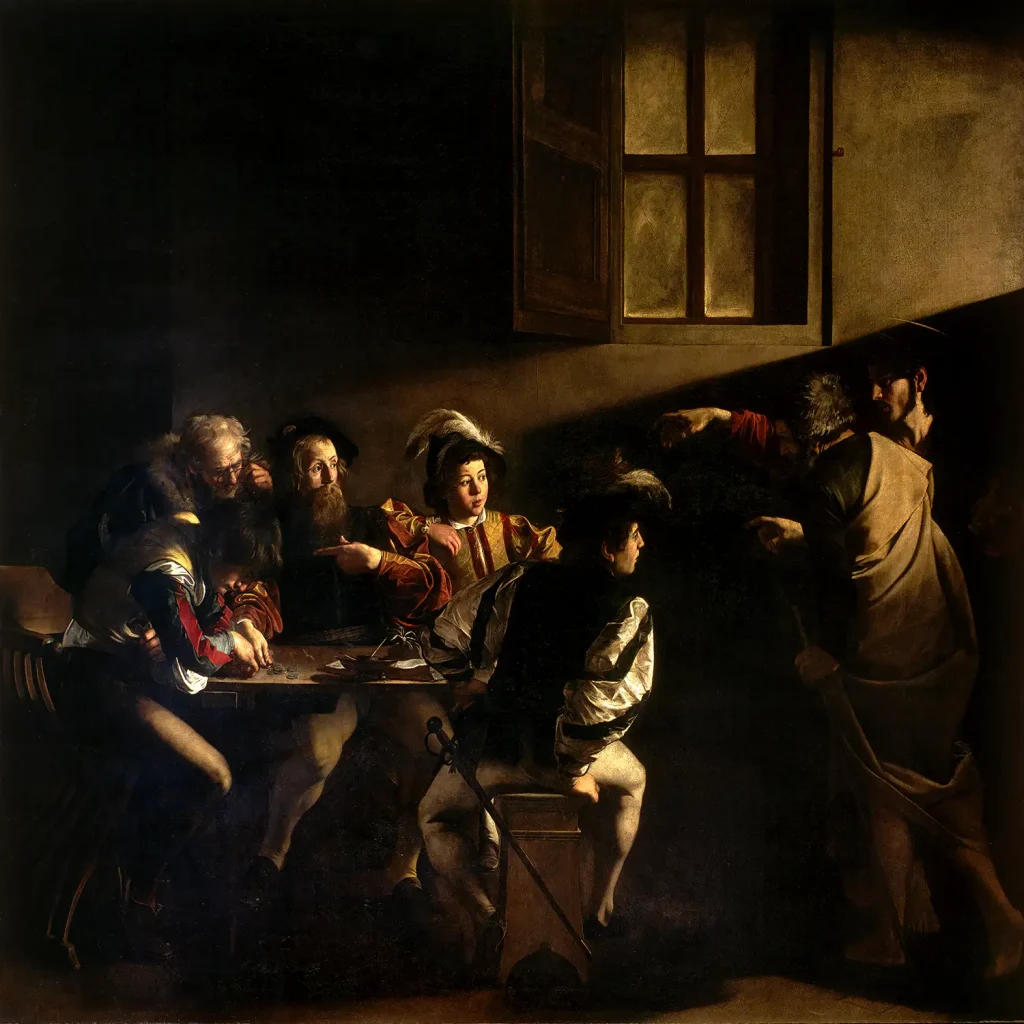
From 1600 to 1750, the Baroque period was characterized by its dramatic and expressive artistic style. Artists during this period were known for their attention to detail and the use of exaggerated lighting and colors to evoke intense emotions in their works.
This movement significantly influenced the development of Western art, leaving a lasting impact on subsequent painting styles.
Key figures in the Baroque movement include Caravaggio, renowned for his masterful use of light and shadow to create powerful contrasts, and Johannes Vermeer, celebrated for his captivating portrayal of domestic scenes with meticulous detail.
Rembrandt van Rijn also played a pivotal role during this era with his compelling portraits that captured intricate emotional nuances through expressive brushwork.
Rococo (1699–1780)
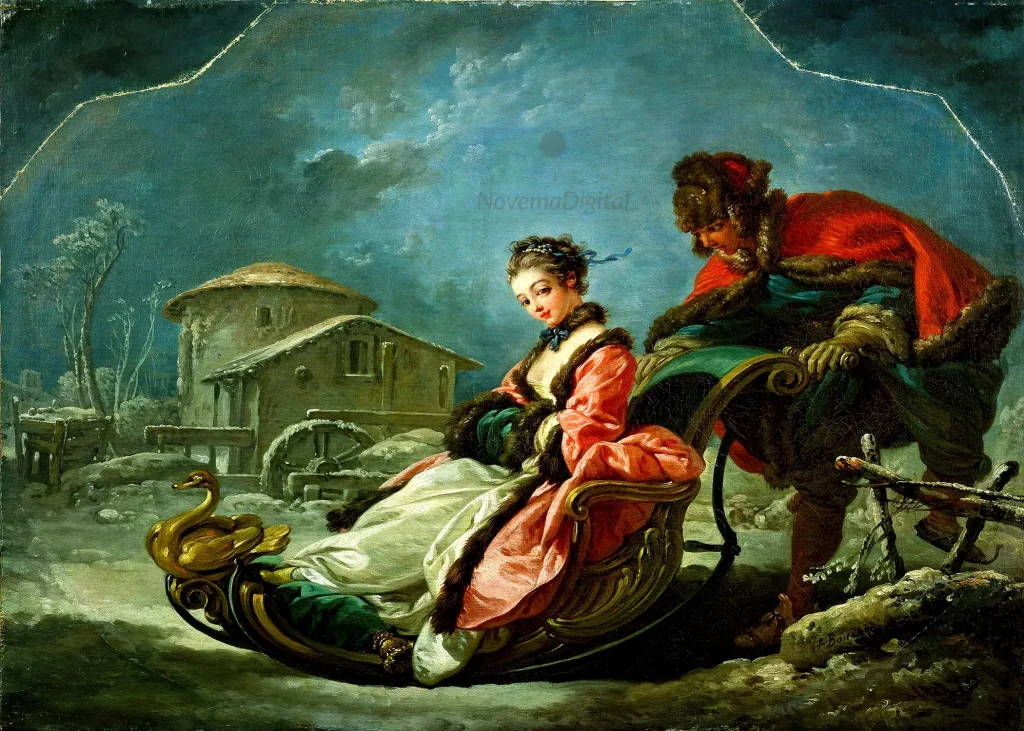
Rococo art, flourishing from 1699 to 1780, celebrates opulence and indulgence through its ornate and lavish visual arts. Departing from the seriousness of the Baroque period, Rococo embraces a more frivolous and decorative style characterized by charm, elegance, and theatricality.
Prominent artists like Jean-Antoine Watteau and François Boucher are known for their light and airy portrayal of aristocratic leisure scenes, reflecting the pleasures of life in this period.
Artists during this era also extended their focus beyond traditional paintings to include decorative arts such as furniture, porcelain, and interior design. These works emphasized the joy of living beautifully with elaborate designs that captured the essence of affluence.
The Rococo movement encapsulates an aesthetic pursuit driven by luxury and fascination with life’s embellishments.
The Age of Revolutions: Neoclassicism to Romanticism
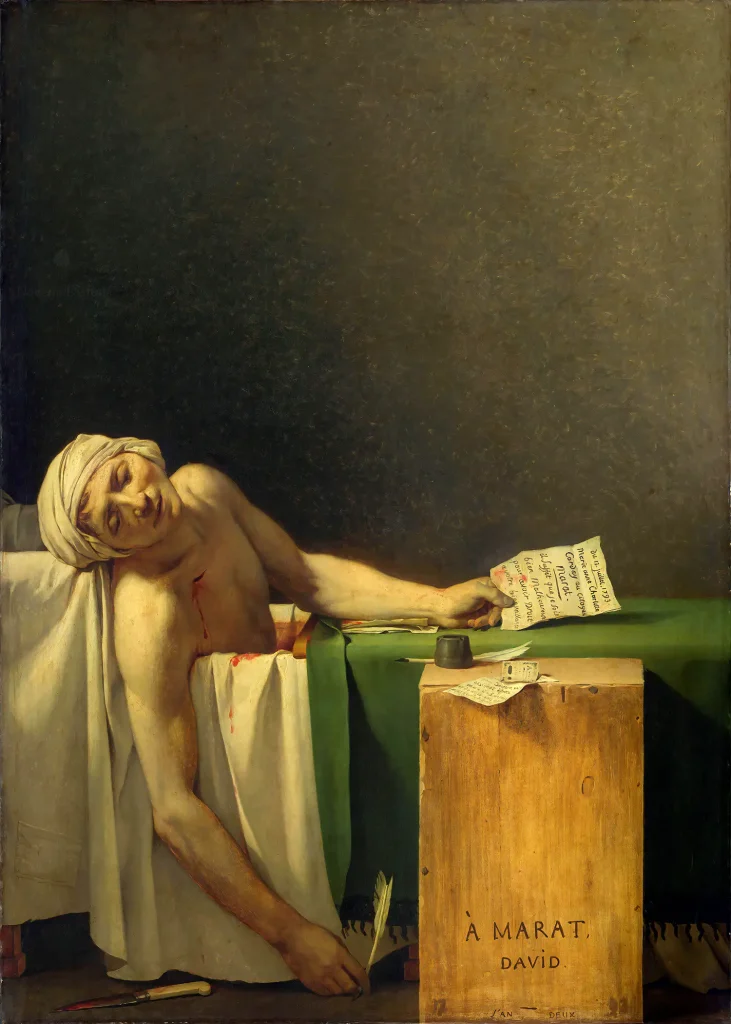
During the Age of Revolutions, Neoclassicism emerged as a reaction to the frivolity of Rococo art, drawing inspiration from classical Greek and Roman art forms. Artists like Jacques-Louis David focused on clarity, order, and rationality.
Meanwhile, Romanticism rejected the restraint of Neoclassicism and celebrated individual emotion and nature’s awe-inspiring power. Prominent artists like Eugene Delacroix and William Blake embraced the emotional intensity and freedom inherent in this movement.
Neoclassicism (1750–1850)
Neoclassicism, spanning from 1750 to 1850, marked a significant revival of classical art forms and styles. Artists during this period were inspired by the grandeur and order of ancient Greek and Roman art, aiming to capture the essence of historical relevance in their works.
Neoclassical paintings often depicted heroic or moralistic scenes from history or mythology, emphasizing idealism and rationality. This movement emerged as a deliberate rejection of the preceding Rococo style’s excessive ornamentation, instead focusing on simplicity, clarity, and restraint.
Furthermore, driven by the political and social influences of the Age of Revolution, Neoclassical artists sought to convey timeless virtues through their artwork.
Romanticism (1780–1850)
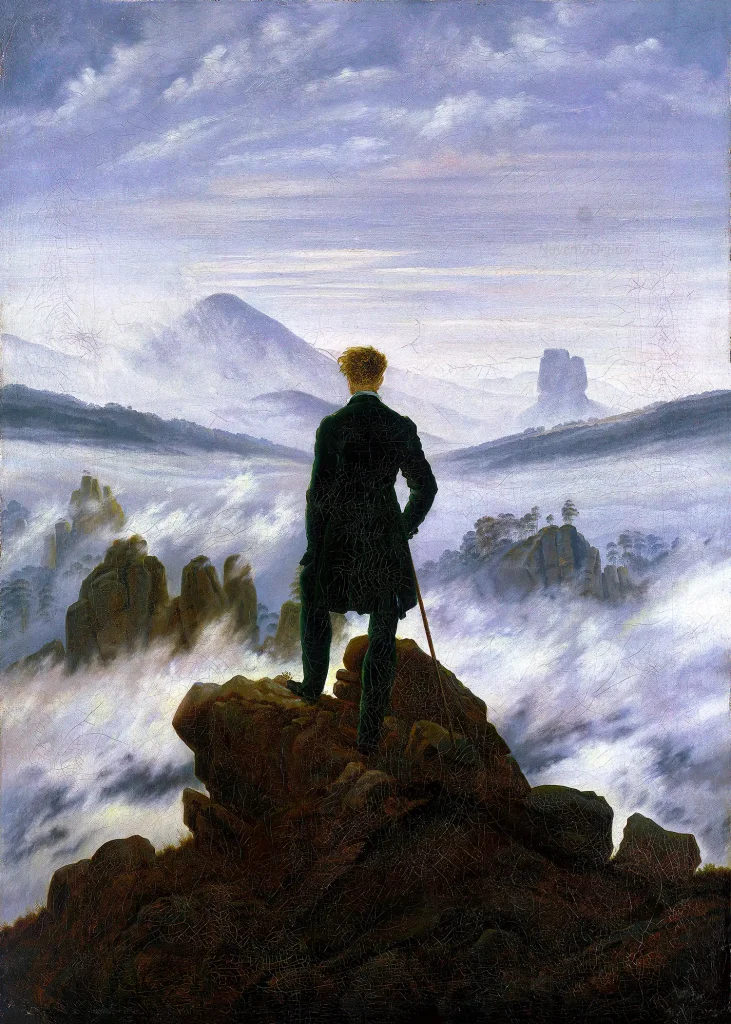
Transitioning from the rational and classical style of Neoclassicism, Romanticism emerged as a profound reaction against the Industrial Revolution and the political and social upheaval of its time.
The movement emphasized the celebration of nature, deep personal emotions, individualism, and imagination over reason. Marked by an intense focus on self-expression, Romanticism saw artists seeking to break away from traditional norms to convey their emotions and ideas through their work.
This period represented a significant departure from Neoclassical principles towards a more emotional approach to art.
A New Reality: Realism to Impressionism
The art movement from Realism to Impressionism marked a significant shift in how artists depicted the world, moving away from idealized portrayals toward a more realistic and immediate representation of scenes and subjects.
This period saw artists like Gustave Courbet and Claude Monet challenging traditional artistic conventions, paving the way for new approaches to capturing light, color, and perspective in their work.
Realism (1848–1900)
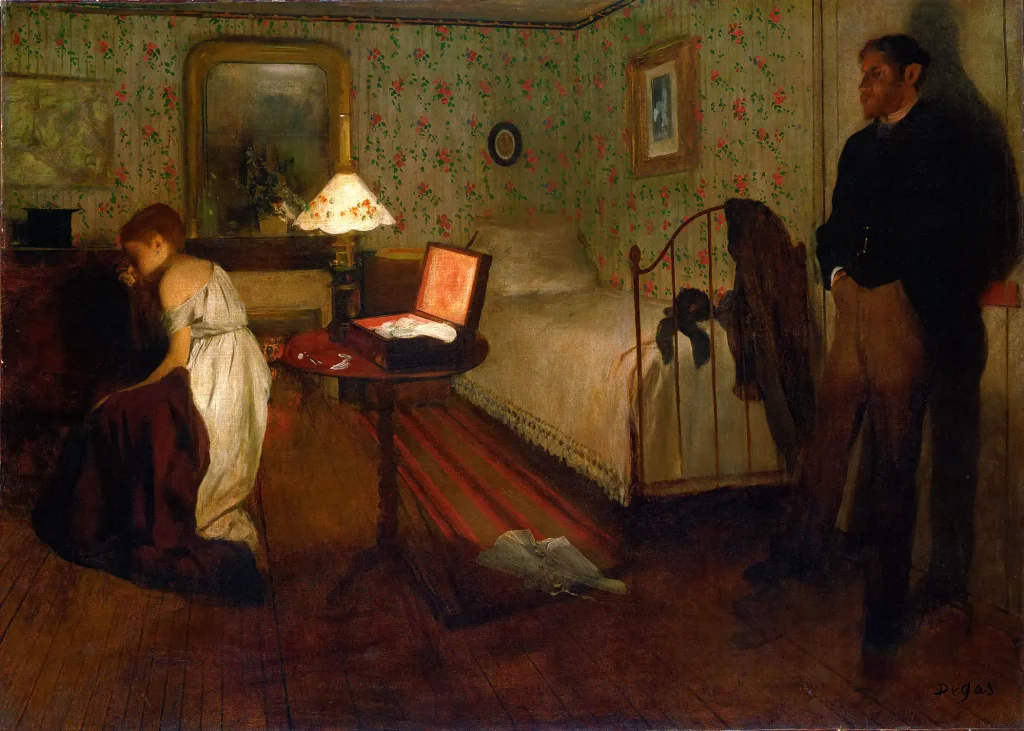
From 1848 to 1900, realism emerged in response to the industrial revolution and as a contrast to Romanticism. This art movement focused on portraying everyday life and ordinary people, aiming for an accurate depiction of reality without idealization.
Realist artists sought to bring attention to social issues, reflecting the rawness and struggles of ordinary life through their work. Influential artists such as Gustave Courbet and Jean-François Millet captured scenes of laborers, peasants, and urban working-class individuals with unembellished honesty, challenging traditional artistic conventions.
Rejecting the romanticized portrayal of historical events or mythological themes prevalent in previous art movements like Neoclassicism and Romanticism, Realism aimed for authenticity by depicting contemporary settings.
Impressionism (1865–1885)
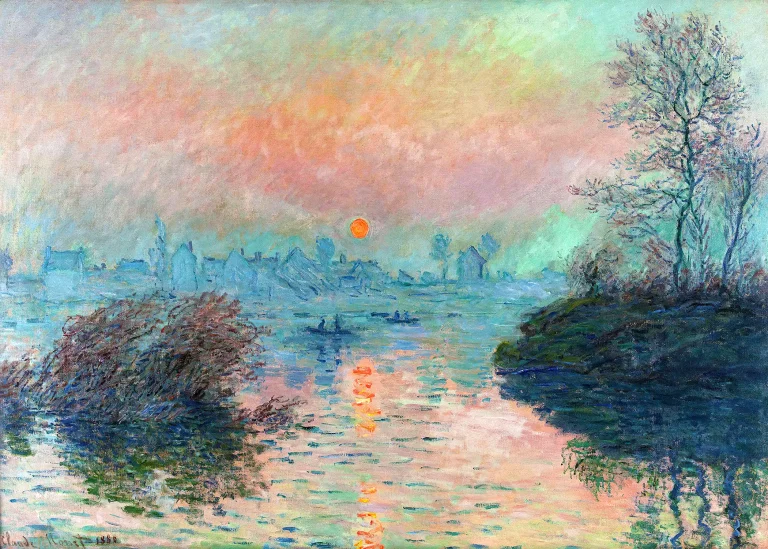
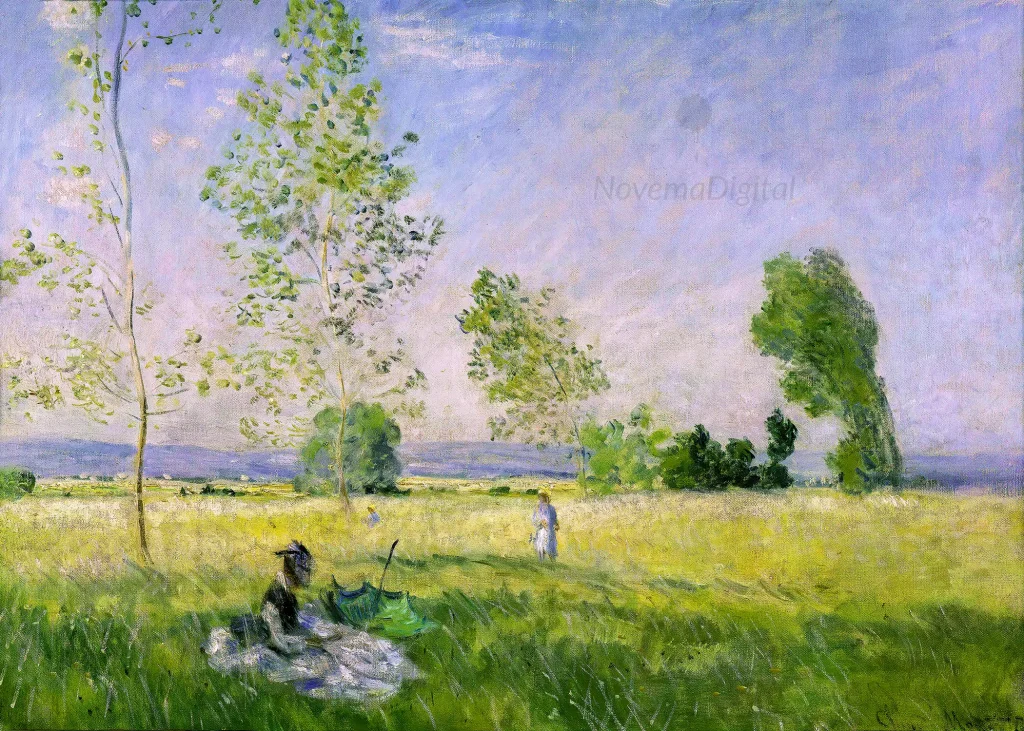
The transition from Realism to Impressionism marked a significant shift in artistic expression. Impressionist painters aimed to capture the fleeting moment, emphasizing the play of light and color over precise details.
Artists like Claude Monet, Pierre-Auguste Renoir, and Edgar Degas employed visible brushstrokes and vibrant hues to convey the essence of their subjects with immediacy.
Post-Impressionist artists, including Vincent van Gogh and Paul Cézanne, delved into more personal interpretations, focusing on individual emotions and subjective visions rather than direct representation.
Beyond the Visible: Post-Impressionism to Symbolism
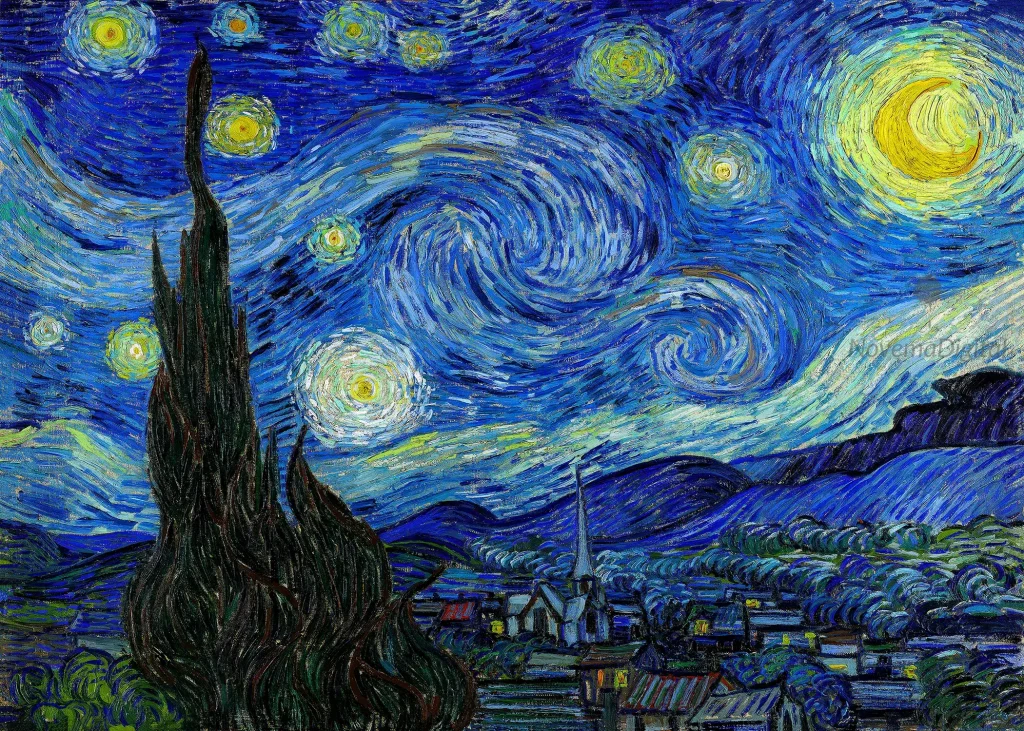
Post-Impressionism marked a departure from the naturalistic approach of Impressionism, with artists like Vincent van Gogh and Paul Cézanne focusing on personal expression and symbolic meanings.
On the other hand, Symbolism explored themes of fantasy and mysticism through stylized and evocative imagery, paving the way for modernist movements in art.
Post-Impressionism (1885–1910)
Post-Impressionism, an influential art movement that followed the Impressionist period, introduced groundbreaking techniques and a fresh perspective. Artists of this era sought to portray their inner emotions and unique visions by exploring vibrant colors, intricate patterns, and unconventional shapes in their works.
By focusing on modern life as subject matter and utilizing short, quick brushstrokes, Post-Impressionist painters captured immediate impressions with striking vividness—the departure from naturalistic depictions allowed for the portrayal of dynamic images that seemed to move or blur.
The exploration of color, patterns, shapes, contrast, and subjective emotional states characterized the essence of Post-Impressionism. This movement laid the foundation for future art movements such as Fauvism, Expressionism, and Cubism while also exerting a lasting influence on the evolution of modern art.
Symbolism (1886–1900)
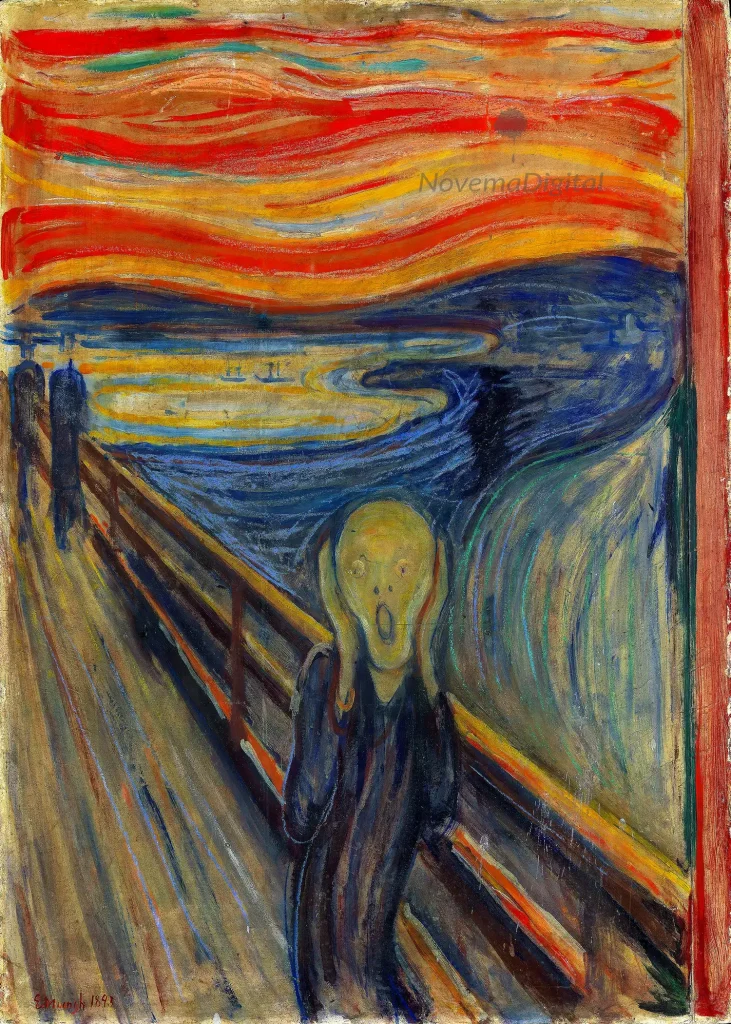
Building upon the innovations of Post-Impressionism, Symbolism emerged from 1886 to 1900 as a rebuke to the naturalism prevalent in Impressionist art. Artists within this movement sought deeper and more abstract methods of expressing emotions and ideas, steering away from direct representation.
They delved into dreamlike imagery and fantastical scenes, capturing the mystical and subconscious realms through allegorical depictions of human experiences.
Symbolism was characterized by its embrace of symbol and metaphor rather than straightforward portrayal. The art often portrayed supernatural or otherworldly subjects while drawing inspiration from poetry and literature.
The Turn of the Century: Art Nouveau to Cubism
The turn of the century saw a shift in artistic styles from the organic and decorative forms of Art Nouveau to the geometric and abstract shapes of Cubism. Artists like Gustav Klimt and Alphonse Mucha embraced the sensual lines of Art Nouveau, while Pablo Picasso and Georges Braque revolutionized art with their fragmented perspectives in Cubism.
Art Nouveau (1890–1910)
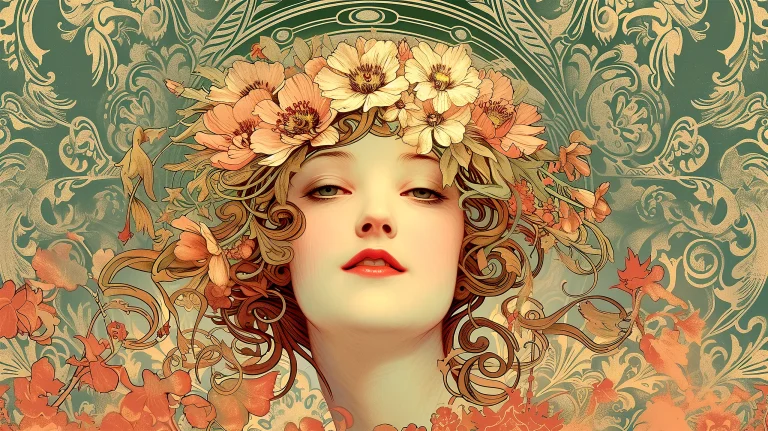
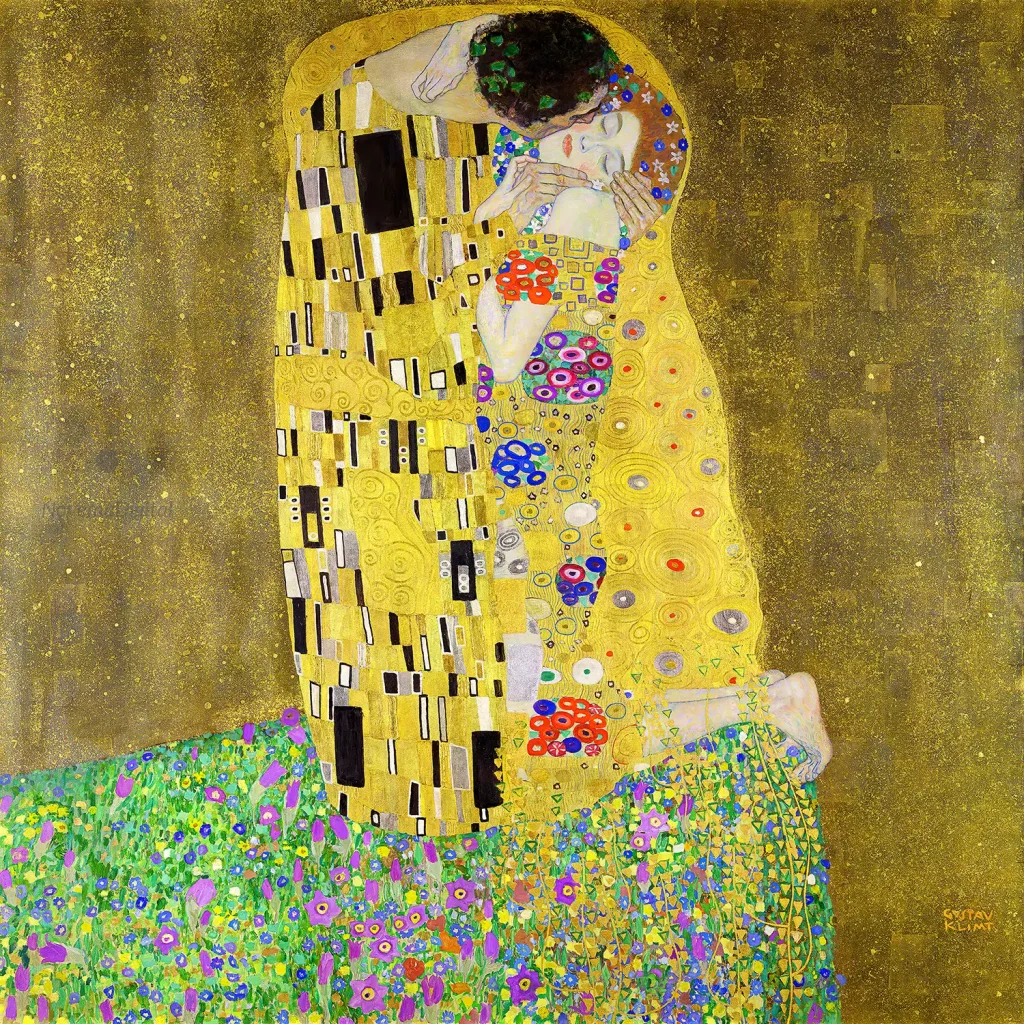
Art Nouveau, a prominent art movement from 1890 to 1910, was marked by its highly ornamental and decorative style that heavily influenced applied arts, graphics, and illustration. This movement sought to create a new modern style by rejecting historical revivalism and focusing on fluid, organic forms.
Characterized by an emphasis on nature and the incorporation of intricate botanical motifs, Art Nouveau significantly impacted everyday objects such as furniture, jewelry, architecture, and interior design.
The distinctive trait of Art Nouveau was its dedication to infusing everyday objects with artistic value through elaborate designs. With its aim to bring art into daily life through practical yet aesthetically pleasing creations, the movement embraced organic flowing lines inspired by natural forms like flowers and plants.
Cubism (1907–1914)
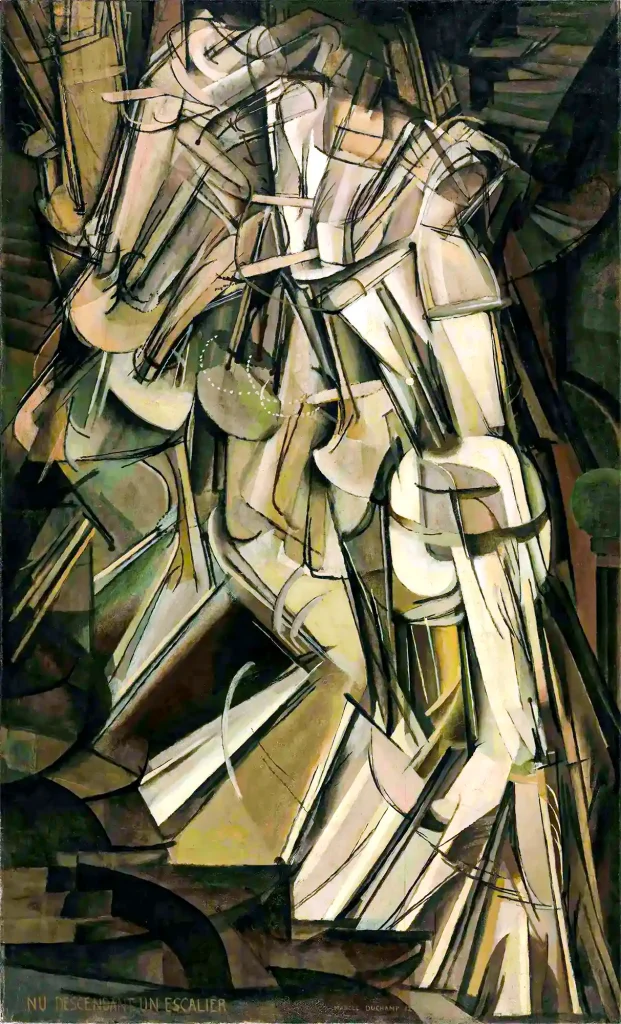
From 1907 to 1914, Cubism introduced a revolutionary shift in art. Pioneered by Pablo Picasso and Georges Braque, the movement strayed from traditional representation by embracing multiple viewpoints and dimensions within a single artwork.
Cubist works challenged conventional artistic techniques, featuring geometric shapes and fragmented forms, marking a departure towards abstraction and avant-garde expression. This period undeniably left an indelible mark on the trajectory of modern art.
As we further explore how Cubism redefined artistic perspectives, let’s uncover the intriguing journey from Dadaism to Surrealism.
The World Upside Down: Dadaism to Surrealism
Dadaism (1912–1920) and Surrealism (1916–1950) were revolutionary art movements that sought to challenge traditional norms and explore the subconscious mind. Dada artists experimented with unconventional materials and techniques, while Surrealist painters delved into dream-like imagery to evoke a sense of mystery and psychological depth.
These movements paved the way for a new wave of artistic expression that continues to influence contemporary art today.
Dadaism (1912–1920)
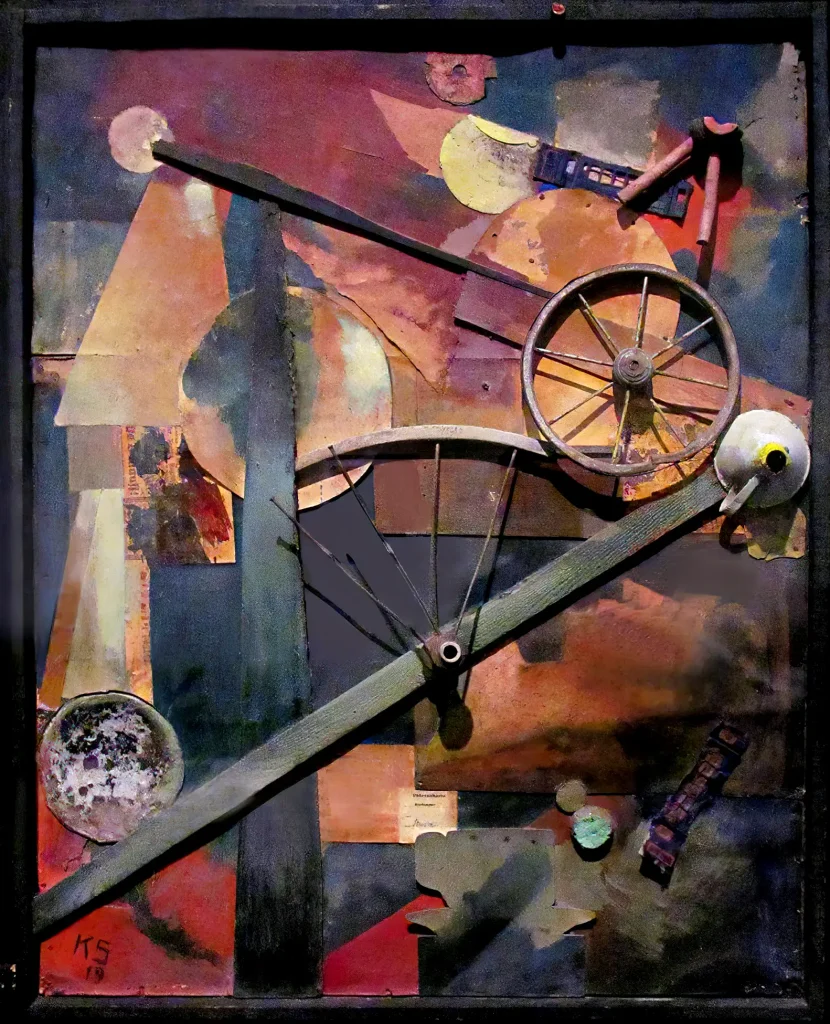
During a tumultuous period of war and social upheaval, Dadaism, born in Zurich, Switzerland, defied all conventional norms with its provocative and often nonsensical artworks. This movement was deeply intertwined with political beliefs, primarily anarchism, and sought to challenge the status quo through absurdity and anti-art sentiments.
The Dadaists rejected traditional artistic techniques in favor of experimental approaches such as collage, photomontage, and ready-made objects. Their works embodied a spirit of rebellion against rationality and reason while reflecting the chaos of the world around them.
As Dadaism gained momentum across Europe and America, it left an indelible mark on the evolution of art by questioning established norms while contributing to radical shifts in creative expression.
Surrealism (1916–1950)
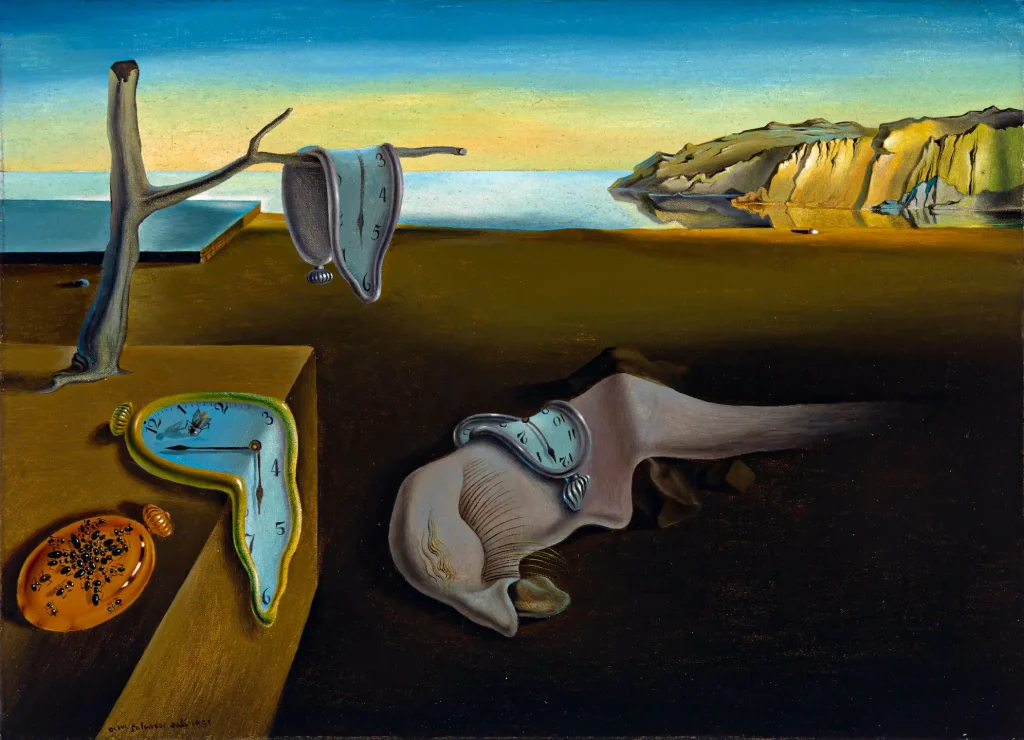
Surrealism, born from the Dada art movement and influenced by Sigmund Freud’s theories, sought to delve into dreams and the unconscious mind. Led by influential artists like Salvador Dalí, Surrealist works were distinguished by unexpected pairings and distorted imagery, aiming to tap into subconscious thoughts.
This artistic style often integrated elements of surprise, humor, and irreverence as it ventured beyond conventional perceptions.
Characterized by unconventional juxtapositions contrary to expected norms, Surrealism continually sought to uncover hidden realms of imagination through its explorations of the subconscious mind.
Breaking the Mold: Abstract Expressionism to Pop Art
Abstract Expressionism and Pop Art were two groundbreaking movements that revolutionized the art world. Abstract Expressionism emphasized emotional expression through bold and gestural brushwork, while Pop Art celebrated consumer culture and mass media imagery with its vibrant colors and everyday subject matter.
These movements challenged traditional artistic conventions and paved the way for new, innovative approaches to creating art.
Abstract Expressionism (1940s–1950s)
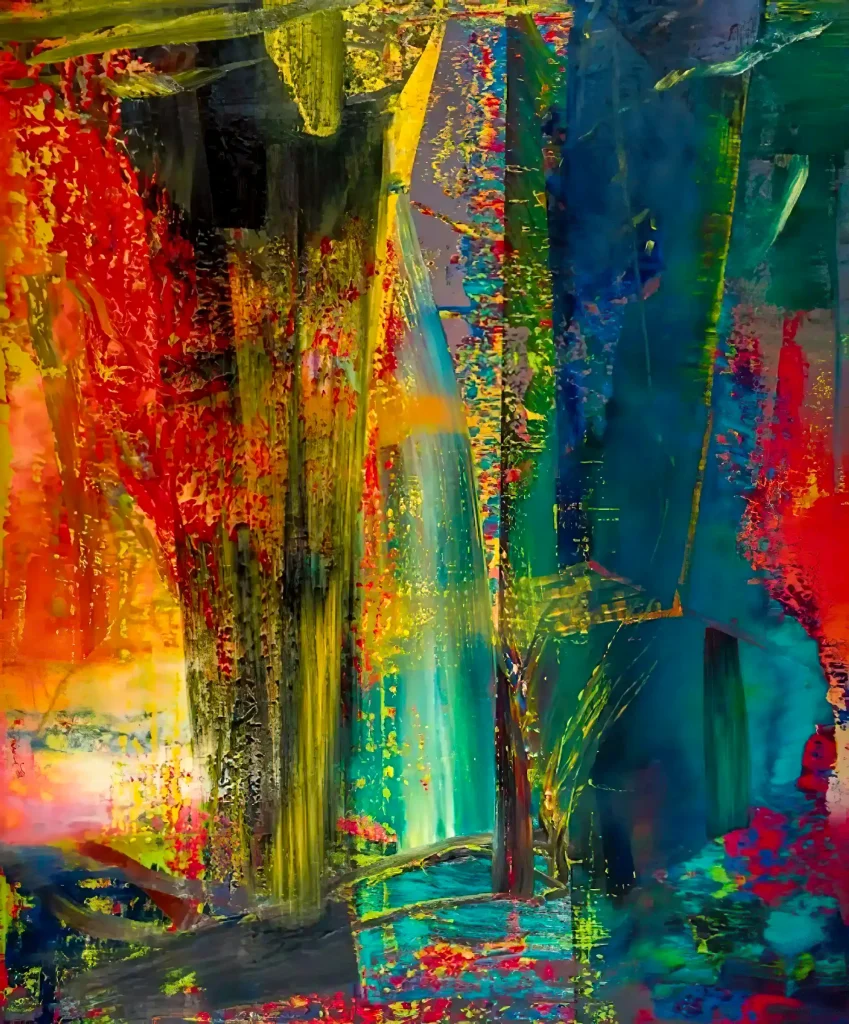
Abstract Expressionism emerged in the 1940s–1950s and was a revolutionary art movement. Celebrated artists such as Jackson Pollock and Mark Rothko utilized spontaneous techniques to create abstract masterpieces.
The movement broke free from traditional methods and embraced improvisation, allowing emotion and energy to flow onto the canvas.
The impact of Abstract Expressionism on the art world was profound. It marked a departure from representational art, focusing instead on pure expression and individual creativity. This period paved the way for new forms of artistic expression and remains influential in contemporary art movements.
Pop Art (1950s–1960s)
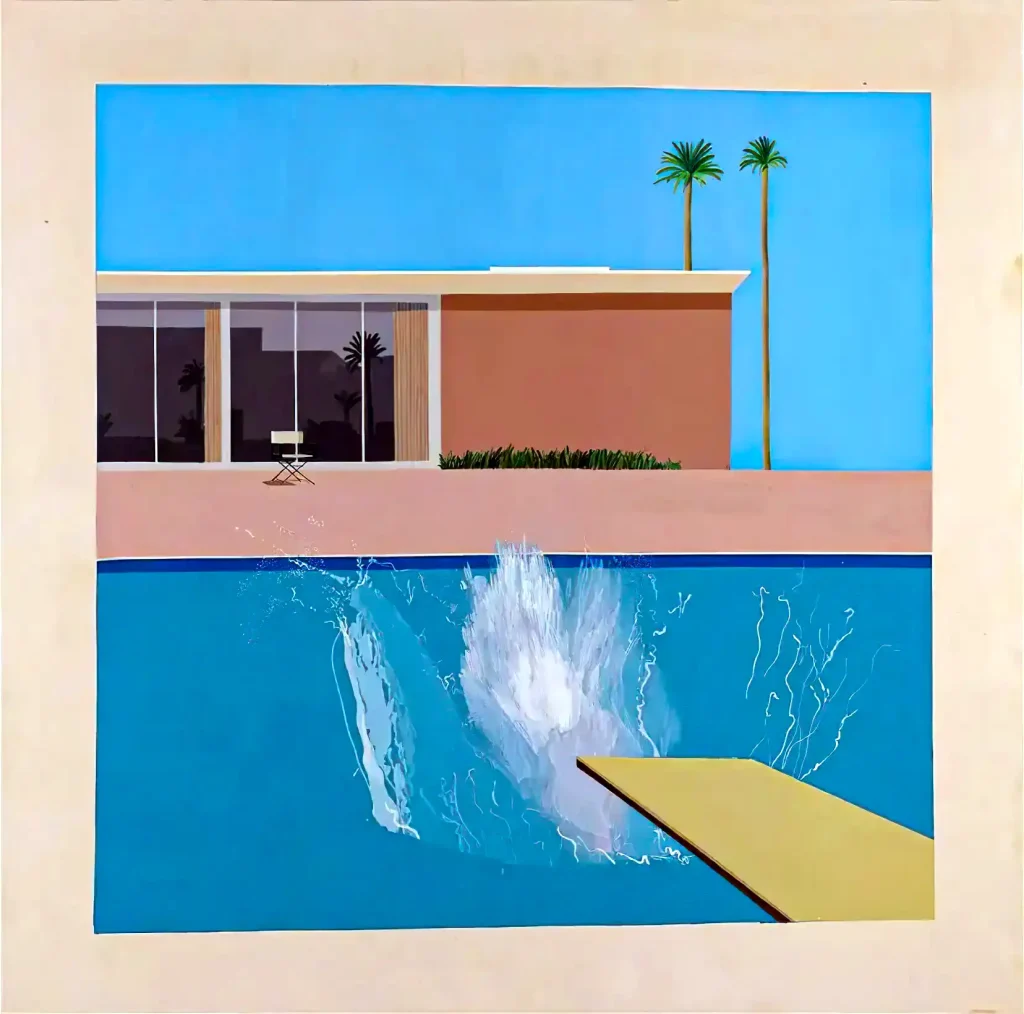
Transitioning from Abstract Expressionism’s emotive and spontaneous nature, Pop Art made a bold statement in the 1950s–1960s. This movement challenged traditional norms by incorporating popular and commercial cultural imagery into fine art.
Andy Warhol and Roy Lichtenstein were prominent figures who explored mass media, consumerism, and the everyday objects that shape modern society within their work. Pop artists blurred the lines between high art and mass production, paving the way for a new era of artistic expression.
Redefining Art: Minimalism to Contemporary Art
From the 1960s to the 1970s, Minimalism took center stage in art with its simplistic and stripped-down aesthetic. This movement paved the way for Contemporary Art, a diverse and eclectic style that continues to evolve and challenge traditional artistic norms.
Minimalism (1960s–1970s)
Minimalism, in the art world of the 1960s–1970s, reacted against the expressive and grandiose nature of Abstract Expressionist works. American artist Frank Stella notably embraced Minimalism through his renowned “Black Paintings,” created between 1958 and 1960.
This movement prioritized anonymity, materiality, order, simplicity, and harmony as its core principles.
During this period, Minimalist artists sought to strip away excess and convey a sense of purity through their work. This focus on minimal intervention and reduced means allowed for an exploration of form and led to thought-provoking pieces that emphasized spatial relations using geometric shapes.

Contemporary Art (1970–present)
Contemporary Art (1970–present) has witnessed a dynamic blend of artistic expression, as seen in movements like Fluxus and Street Art. These diverse forms of art reflect the ever-changing facets of modern society, capturing themes ranging from social commentary to personal narratives.
Minimalism, emerging in response to Abstract Expressionism and Pop Art, is characterized by its simplicity in concept and design. Additionally, Conceptual art emphasizes the importance of ideas over technique or aesthetic appeal, challenging traditional norms and offering new dimensions for artistic interpretation.
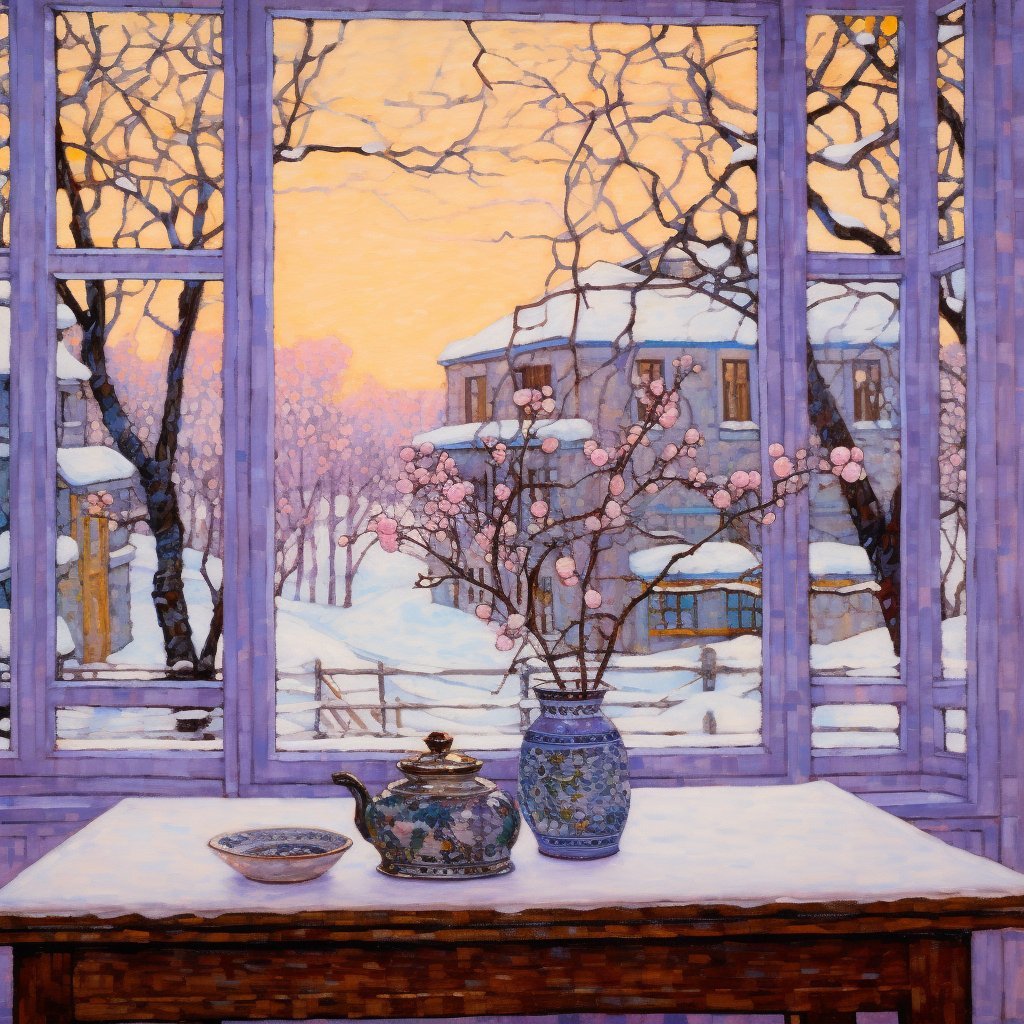
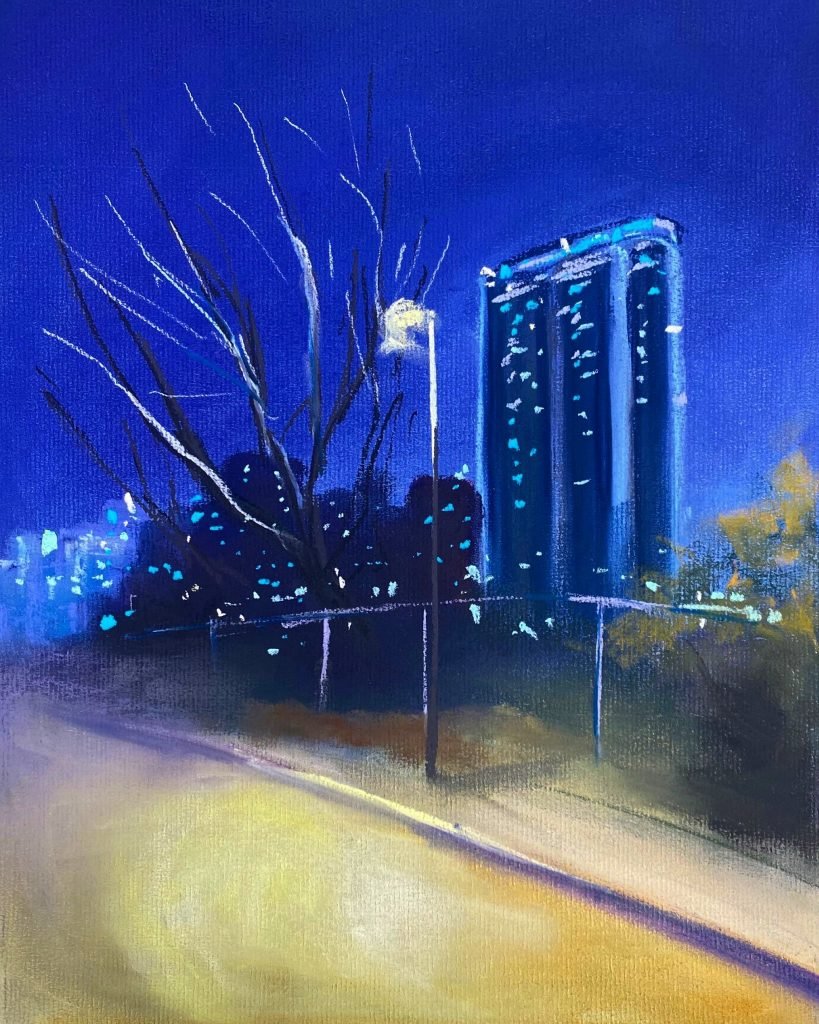
In recent years, the increasing popularity of digital and AI art is reshaping our perception of art and how artists can express themselves, making art more accessible than ever before. Here are a few example of the great works that can be found on the X Platform:

The Conclusion Wraps up the Journey, Reflecting on How Art is Perpetually Redefining Itself.
The evolution of painting styles offers a rich tapestry of artistic expression. Art lovers can build a cohesive appreciation of the historical timeline by understanding the diverse characteristics and influential works.
Embracing the practicality of historical perspectives can enhance contemporary artistic endeavors. By delving into the footsteps of past masters, we gain an appreciation for timeless techniques that resonate with modern sensibilities.
Exploring further readings from reputable sources such as The Metropolitan Museum of Art can enrich your understanding and infuse your imagination with fresh inspiration to fuel your creative journey.
The evolution of painting styles reflects not only artistic development but also societal changes across different periods. From primitive cave paintings to the intricate mosaic works of ancient Rome, each era has contributed unique elements that continue to inspire contemporary art movements today.
Reflect on the timeless relevance of art as a powerful medium for sharing human experiences, perpetually redefining itself across generations.
FAQs
1. What did the Lascaux cave paintings represent in art history?
The Lascaux cave paintings are among the earliest forms of expression from the Stone Age, marking a significant beginning in the history of art.
2. How did painting styles change during the Early Renaissance?
Early Renaissance painters like Donatello brought new life to art by focusing on realism, perspective, and human emotion, which was different from medieval times.
3. What’s unique about Impressionist paintings?
Impressionists like Georges Seurat used techniques such as pointillism to capture light and movement differently than earlier Western art movements; they painted everyday moments with bright colors and visible brushstrokes.
4. Who were some influential artists in Expressionist Art?
Edvard Munch and later expressionist painters expressed intense emotion through their work, often using bold colors and dramatic compositions to impact viewers profoundly.
5. Can you explain what Futurism and Suprematism contributed to art periods?
Futurism introduced dynamic energy into its artworks, showing multiple perspectives at once; Suprematism followed by simplifying everything down to basic geometric shapes emphasizing pure artistic feeling over realistic depictions.
6. Are there modern examples of these historical painting styles today?
Absolutely! Artists continue to build upon past movements like Neoclassical or Surrealist approaches while experimenting with postmodern methods that challenge traditional views of what painting can be.