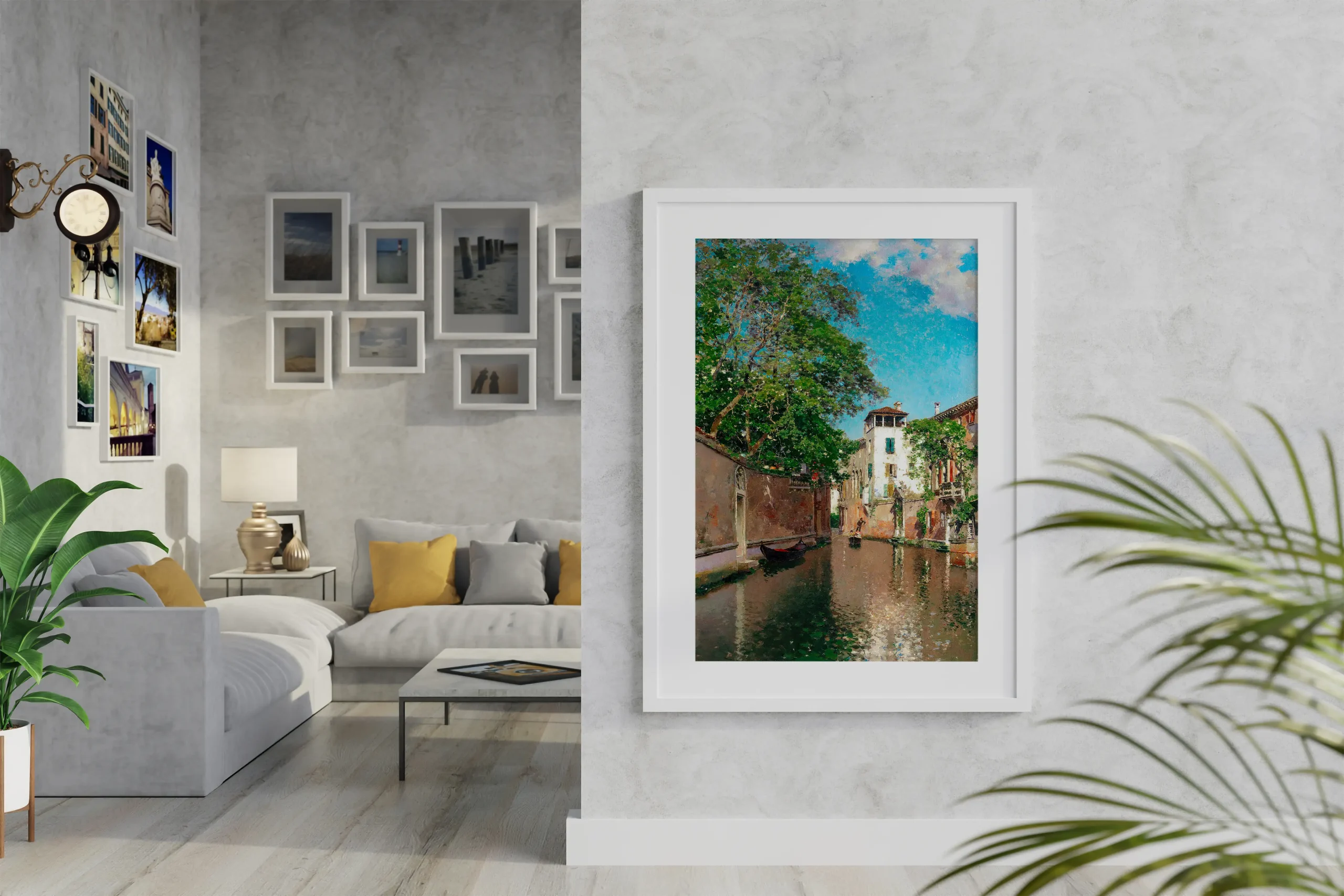
Transforming Spaces: A Comprehensive Guide To Wall Arts
Transforming your living space into a reflection of personal taste doesn’t require a full-scale renovation. Wall art is the secret ingredient that adds character and vibrancy to any room, effortlessly bridging the gap between mere walls and artistic storytelling. A carefully chosen piece can completely alter the mood and appeal of an area, reflecting an individual’s personality without the need for extensive and costly changes.
As we delve deeper into this comprehensive guide, you’ll discover various wall art types suited to every corner of your home and practical advice on selecting, arranging, and transforming these pieces into focal points that speak volumes.
From canvas prints that whisper elegance to metal workpieces shouting modernity—there’s something for everyone. Ready to elevate your walls? Let’s make them tell your story.
Key Takeaways
- Wall art transforms living spaces, adding character and vibrancy without requiring extensive changes.
- Different types of wall art, such as canvas prints, metal prints, wood art, and acrylic prints, cater to diverse styles and preferences.
- Tips for choosing, arranging, and hanging wall art help create cohesive and visually appealing displays in various rooms.
Exploring the Essence of Wall Art
Wall art encompasses a wide range of visual elements that contribute to a space’s overall aesthetic and ambiance. Whether it’s canvas prints, metal prints, wood art, or acrylic prints, wall decor plays a crucial role in transforming the look and feel of any room.
What is Wall Art?
Wall art is everything you can hang on a wall to make it look nice. This includes canvases, framed prints, and other pretty things like metal or wood pieces. It’s not just for creating a beautiful space; wall art can show your style and bring feelings into a room. You might pick something big and bold for your living room to make friends say “wow” or choose calming scenes for your bedroom to help you relax.
When choosing what kind of wall art you want, think about colors that go well with your room and stuff that makes you happy. Canvas prints are popular because they fit with many styles.
Metal prints look cool and last a long time. Wood art gives off cozy vibes, while acrylic prints shine brightly with vivid colors. Each type adds its unique touch to your home decor.
The Impact of Wall Decor on Interior Design
Wall decor can change how a room feels. It makes spaces look new and full of life. If a living room seems boring, adding paintings or photos can make it exciting. In the dining room, some artwork adds fun to where you eat.
Choosing the right wall art pieces is like picking a mood for your house. A splash of cool colors could calm down a noisy room. Or maybe warm shades bring cozy feelings to your bedroom.
With wall decors, you don’t need significant changes to get a fresh look for every season.
Types of Wall Art for Every Space
Canvas prints offer a classic and versatile option, while metal prints provide a modern and durable touch to your walls. Wood art gives off rustic, warm vibes, and acrylic prints add sleekness and vibrancy to any space.
Canvas Prints: Classic and Versatile
Canvas prints bring life to your walls. They are timeless; you can make them fit any room style or color theme and turn your favorite photos into art – like nature or family pictures that fill you with joy. Shutterfly lets you create these pieces easily, giving you top-notch quality for your home decor.
These prints are not just about memories; they also set the mood in a space. Whether it’s calm shades of blue in the bedroom or vibrant pastels for the living room, canvas prints add personality and warmth. They work well in any layout, whether alone or as part of a gallery wall, making them flexible for all homes and tastes.
Metal Prints: Modern and Durable
Metal prints make your walls stand out in a cool way. They are strong and can last a long time, even outside. You can choose a glossy metal for maximum shine and vibrance or matte for a satin-like finish. These art pieces reflect light, so your room feels alive.
You might like how metal prints bring a photo to life because of their sharp details. Plus, they don’t get damaged by water or sunlight easily. This means you can enjoy them for many years without worry!
Wood Art: Rustic and Warm
Wood art brings a unique and rustic feel to any space, showcasing the natural beauty of wood grains in the artwork. This type of art is perfect for creating a warm and cozy atmosphere in a room, especially for those aiming for a woodsy home decor theme.
Wood art adds an element of warmth and earthiness to the surroundings, making it particularly suitable for spaces where a cozy and natural ambiance is desired.
By allowing the distinct wood grains to show through photos, wood art offers a one-of-a-kind look that resonates with nature enthusiasts and those seeking to infuse warmth into their living spaces.
Acrylic Prints: Sleek and Vibrant
Acrylic prints are sleek and vibrant, adding a modern touch to any space. They come frame-free and are lightweight, making them easy to hang with aluminum-brushed posts. With various designs and layouts available, acrylic prints offer a versatile option for wall art that can complement different interior styles.
Their sleek finish adds a contemporary feel to the room, making them perfect for those looking for a fresh and modern aesthetic.
Designing with Wall Art: Tips and Tricks
Choose the right art for your room by considering its color, style, and size. Coordinate the colors to create a cohesive look, and consider making a gallery wall with different layouts and ideas.
Read on to discover more tips for designing with wall art!
How to Choose the Right Art for Your Room
Select artwork that reflects the mood or theme you want to convey in the room. Some things to consider are:
- Emotions: Choose art that evokes the emotions you want to feel in that space.
- Color Psychology: Use colors in the artwork that complement or contrast with the room’s color scheme.
- Style and Theme: Match the art style and theme with the room’s overall decor.
- Size and Proportion: Ensure the artwork’s size is proportionate to the wall it will hang on, considering the other elements around it.
- Personal Connection: Select pieces that have personal significance or resonate with you emotionally.
The Art of Color Coordination
Selecting a color scheme for your wall art is crucial in creating a harmonious and visually appealing space. Consider the psychology of colors – warm tones like red and orange can evoke energy and passion, while cooler tones like blue and green promote relaxation and tranquility.
Harmonize your wall art with the room’s color palette to create a cohesive look. Incorporating complementary colors or analogous shades can add depth and visual interest to your decor. Remember, every hue carries its own emotional impact, so choose colors that resonate with the mood you want to convey in each living area.
Creating a Gallery Wall: Layouts and Ideas
- Consider the Space: Measure the wall space and consider the furniture below. A good rule is to fill about 2/3 to 3/4 of the available space.
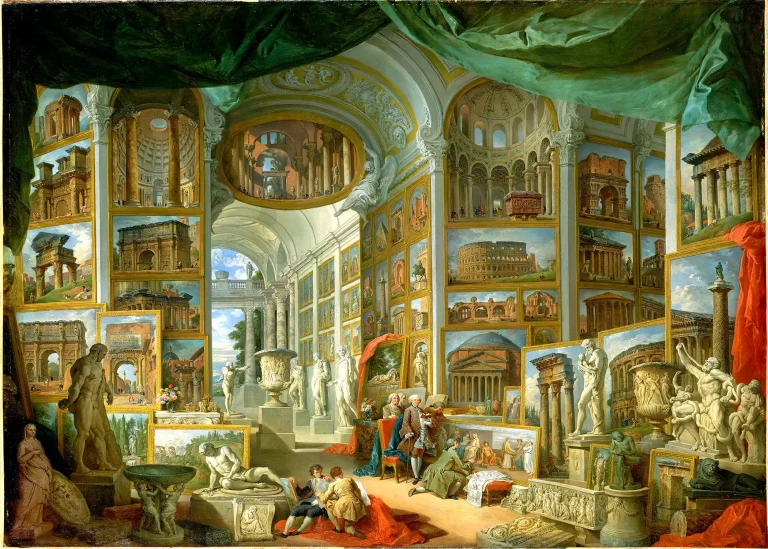
- Mix and Match: Combine different sizes, shapes, and types of art, including canvas prints, metal prints, and framed art, to add depth and visual interest.
- Create a Theme: Choose a theme or color scheme for cohesion. This could be nature-inspired, black and white, or a collection of favorite quotes.
- Plan the Layout: Lay your gallery on the floor first to experiment with different arrangements before hanging.
- Frame it Right: Use consistent frames if you want a cohesive look; alternatively, mix frames for an eclectic feel.
- Spacing Matters: Keep an even distance between each piece (usually 2-3 inches) for a balanced appearance.
- Add Personal Touches: Incorporate personal photos or meaningful artwork to make your gallery wall unique to you.
Hanging and Arranging Wall Art
Proper placement is key when hanging and arranging wall art, with eye level being the ideal height for most standard-size pieces. Different hanging techniques are also necessary for various wall types, and embracing asymmetry can create a visually dynamic display.
Proper Placement: Eye-Level and Beyond
Hang wall art at eye level, typically around 57 inches from the floor to the artwork’s center. Larger artwork should be placed higher since they usually have lower resolution.
Hanging Techniques for Various Wall Types
Different wall types require different hanging techniques to ensure your wall art stays secure and looks great. Here are some tips for hanging on various walls:
- Drywall: Use a stud finder to locate the studs for heavy artwork or drywall anchors for lighter pieces. Consider using stick-on wall pads to protect the wall’s paint.
- Plaster Walls: Use screws with plastic anchors or special picture hangers designed for plaster walls.
- Brick or Masonry Walls: Use masonry screws or an electric drill with a masonry bit to create holes for anchors.
- Concrete Walls: Utilize concrete screws or expansion anchors and consider using foam adhesive strips for lightweight items.
- Tile Walls: Choose diamond-tipped drill bits and install specialized tile hooks to prevent damage.
Maintaining Symmetry vs. Embracing Asymmetry
It’s crucial to balance symmetry and embrace asymmetry when arranging wall art. Symmetrical arrangements create a sense of order and formality, while asymmetrical displays add dynamism and visual interest to a space. Consider the layout, color coordination, and size of the pieces when balancing these two design principles.
Choosing symmetrical arrangements often appeals to those seeking a harmonious and balanced look in their living spaces. On the other hand, embracing asymmetry allows for more creativity and flexibility in creating an eclectic and dynamic environment that reflects individual personality.
Wall Art for Different Rooms
– Bedroom: Choose peaceful and personal wall art to create a relaxing atmosphere.
– Living Room: Opt for bold and social pieces that spark conversation and make a statement.
– Kitchen: Add fun and functional art to liven up the space while keeping it practical.
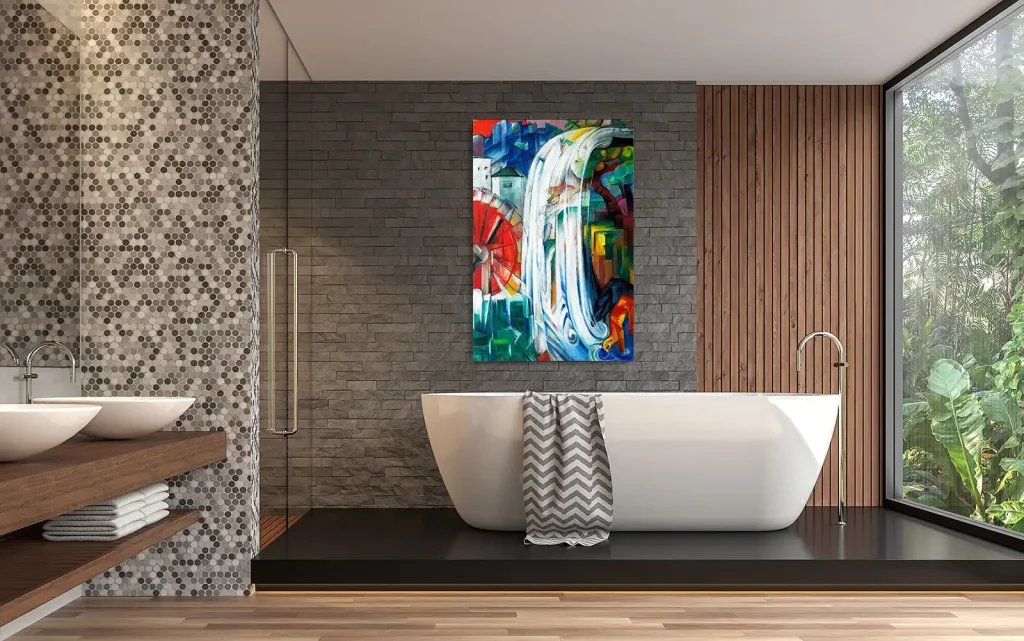
– Bathroom: Select soothing and simple artwork to promote a tranquil environment.
Bedroom: Peaceful and Personal
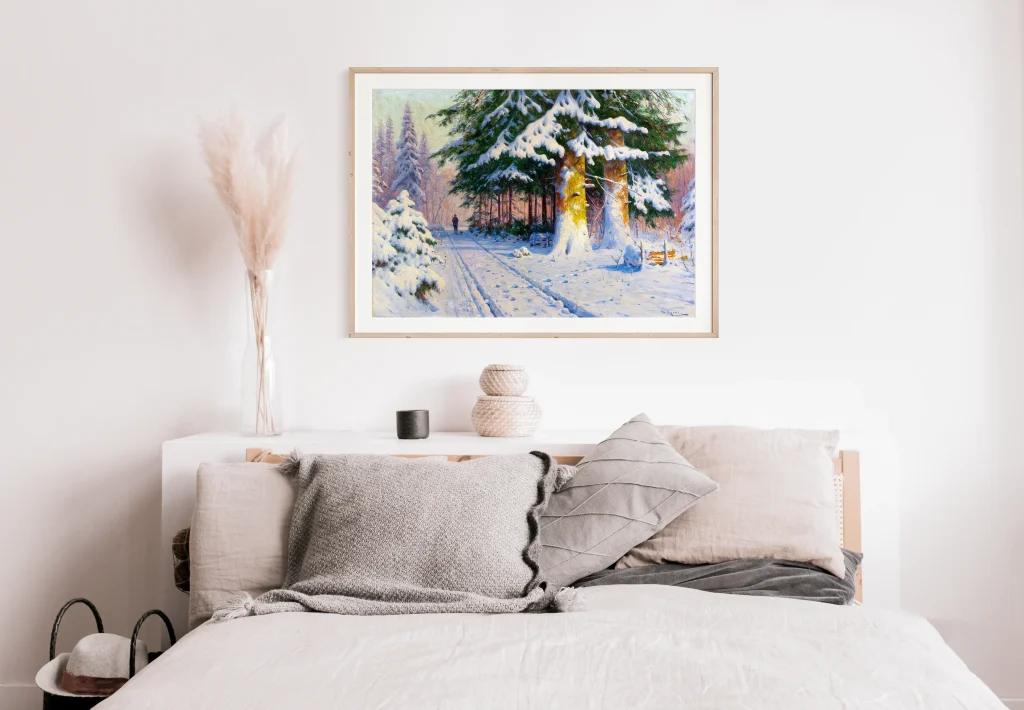
In the bedroom, it’s important to choose wall art that holds personal meaning and promotes a relaxing atmosphere. Large-scale, unique pieces can make a statement and create a tranquil space for rest.
Matching the artwork’s colors with bedding accents can tie the room together and enhance the peaceful mood.
A sense of personal uniqueness is brought into the bedroom by selecting artwork that reflects individual styles and preferences.
Placing canvas or paintings above the bed area draws attention inward, adding to the personalized and calming ambiance.
Living Room: Bold and Social
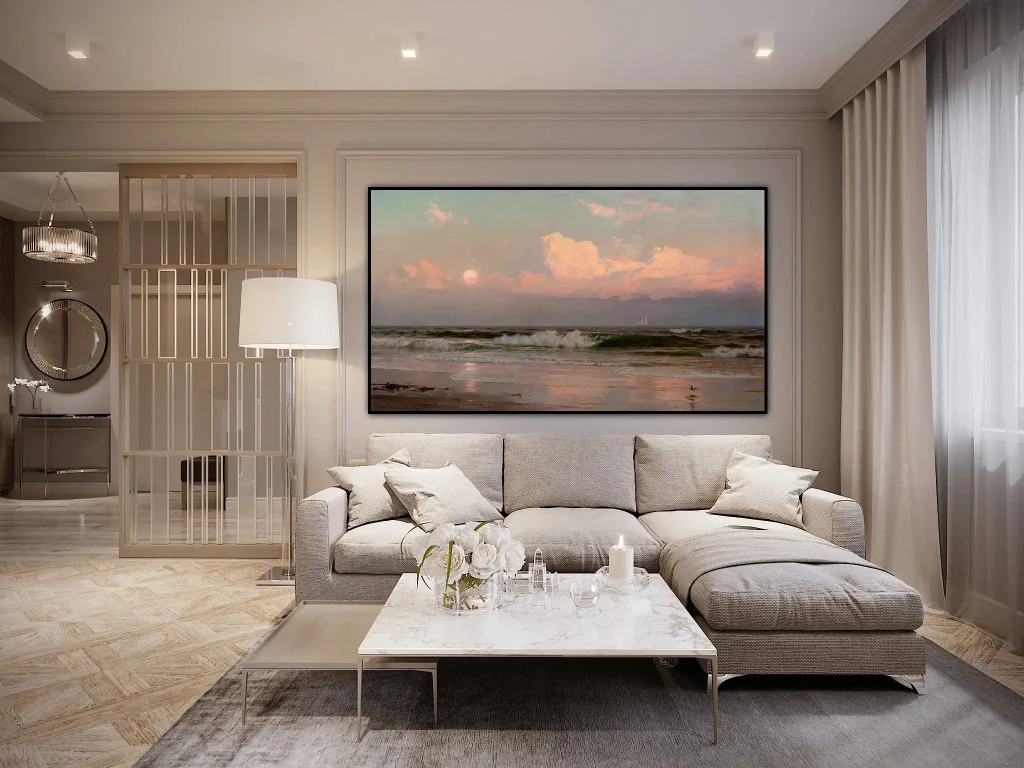
When decorating the living room, consider bold and vibrant wall art to create a sociable and energetic atmosphere. Opt for large canvas prints with vivid colors or striking metal prints to make a strong visual impact.
Incorporating abstract art or expressive typography can add a modern touch, sparking interesting conversations among guests. Moreover, selecting art that reflects your personality and passions can ignite engaging discussions, making your home’s living room a lively focal point.
Arranging multiple pieces in a gallery-style display can enhance the social dynamics of the living room and encourage interaction and dialogue among visitors. Additionally, choosing colorful and stimulating art pieces can create an inviting ambiance for gatherings or entertaining evenings with family and friends.
Kitchen: Fun and Functional
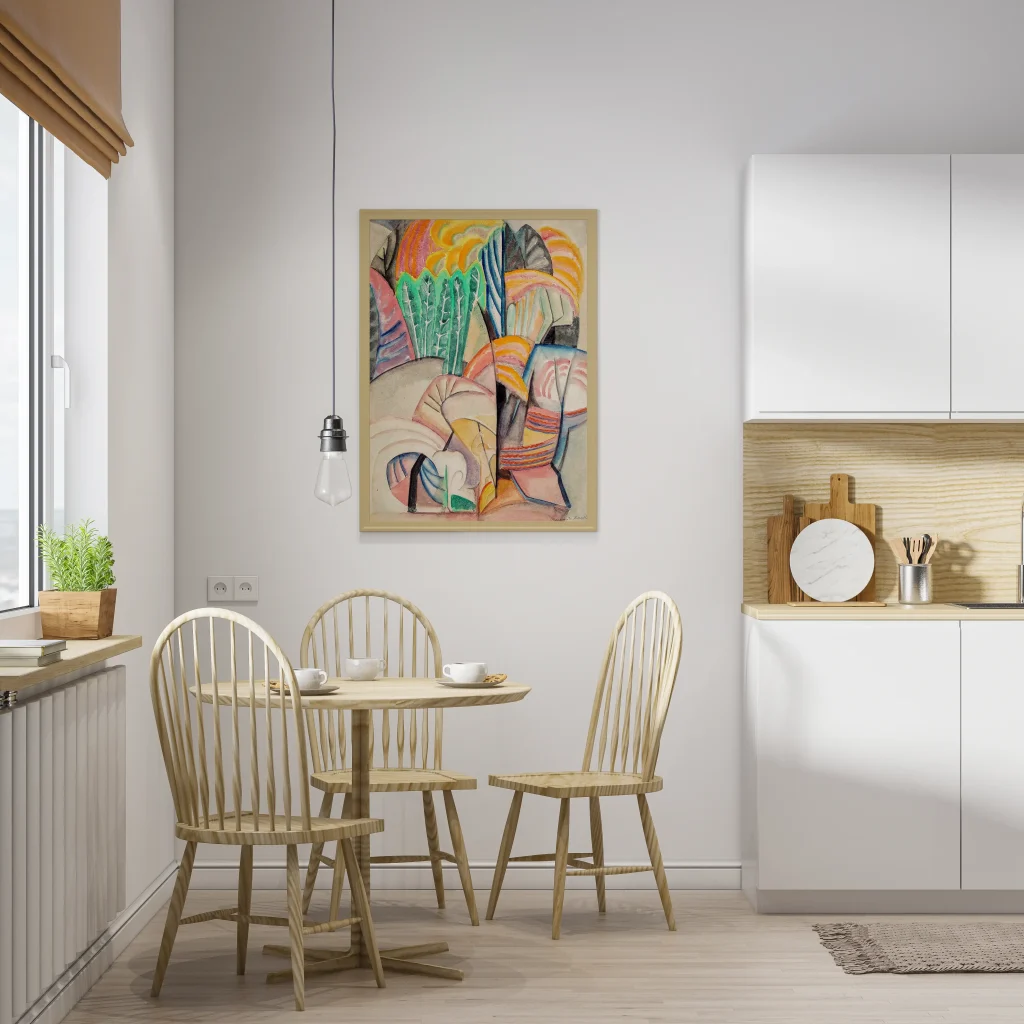
When choosing wall art for the kitchen, consider practicality and playfulness. Go for artworks that are easy to clean, such as acrylic prints or metal prints. Small frames with muted colors work well in a kitchen without overwhelming the space.
Since the kitchen is a functional area, choose art that complements appliances and adds a touch of fun to the room. Consider food-themed art or vibrant pieces to energize the space while maintaining its functionality.
Create an inviting atmosphere by incorporating artwork that reflects the joyful spirit of cooking and gathering in the kitchen. Art with elements like fruits, vegetables, or culinary scenes can enhance the ambiance while keeping the space functional and visually appealing.
Conclusion: Elevating Spaces with Wall Art
How can you bring color coordination and gallery wall layouts into play? Try hanging techniques that make a statement in different spaces like the bedroom, living room, kitchen, and bathroom.
Elevating your space with wall art can easily transform any room without breaking the bank. Choosing the right wall art can uplift and liven your home; it brings life and style to any space. Always pick what you love and what fits your place. Let’s start now and make our homes look great!
FAQ
1. What kinds of wall art can I put in my home?
You can decorate your walls with many types of art, like paintings, drawings, watercolors, murals, sketches, and posters. For example, you can choose oil or acrylic painting on cloth or canvas.
2. How does color in wall art affect my mood?
Colors in art can make you feel different moods due to color theory. Warm colors might fill you with love and warmth, while cool colors could calm your heart and mind.
3. Can having art around help with mental health?
Yes! Looking at beautiful things like fine art and nature photography may lower stress and help people feel happier, which is good for mental health.
4. Should I pick a specific type of paper for my art prints?
For high-quality prints like photos or fine arts, papers such as baryta, cotton rag, or bamboo are great choices because they give rich detail to the images, and most are acid-free.
5. Is it trendy to share pictures of my wall art on social media?
Sharing photos of your wall art collection on social media is popular! It’s fun to show off what you love and find others who enjoy the same arts.
6. What should I consider when choosing where to hang a portrait-oriented artwork? Look for a narrow space where the tall shape fits well when hanging portrait-oriented pieces like oil paintings or photographic portraits.